

In cities, particularly New York, industrial facilities are crucial but often cause significant air pollution. Heavy trucks servicing these facilities further harm the environment. This impact is acutely felt in the South Bronx, a culturally rich area that has become a hub for environmental burden due to its infrastructure and traffic flow. Read on for more details on bronx.name.
Critical Environmental Indicators and Political Attention
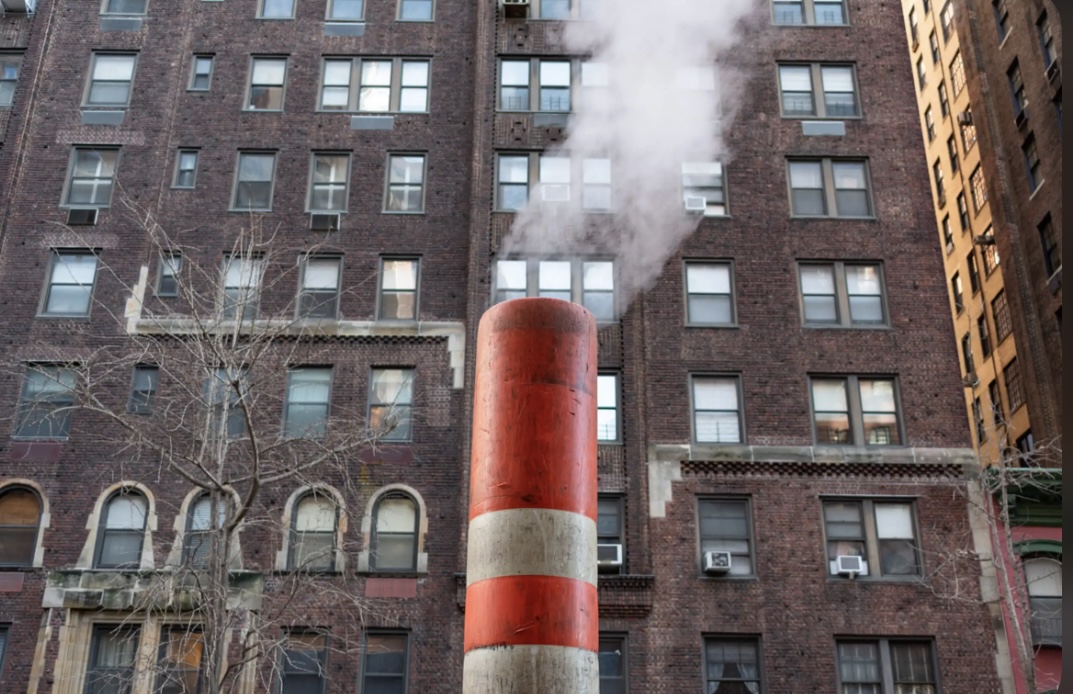
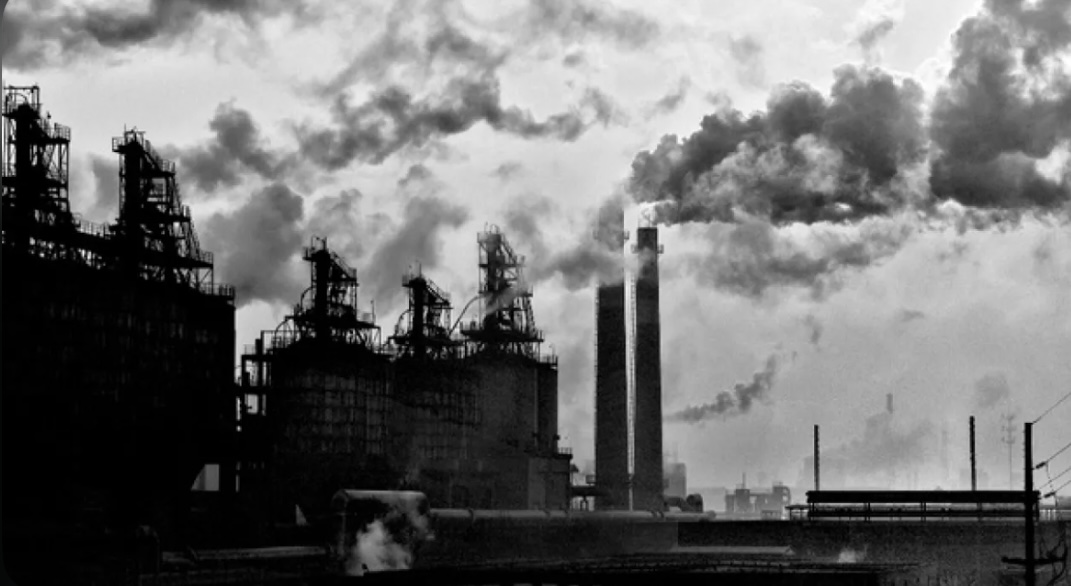
For decades, South Bronx residents have lived in conditions that can’t be considered safe for their health. Daily, they face high levels of air pollution directly linked to the numerous industrial facilities located here: power plants, waste transfer stations, warehouses, and fuel depots. What’s more, the large volume of heavy traffic, especially diesel trucks, only exacerbates the situation.
One of the region’s most pressing issues is asthma: the South Bronx has one of the highest incidence rates in the city. But the list of chronic illnesses doesn’t end there; residents also suffer from elevated rates of infant mortality, cardiovascular diseases, diabetes, poor maternal health, dementia, and cognitive impairments. This isn’t a coincidence—it’s the result of past deliberate policies that allowed polluting facilities to be concentrated in low-income, predominantly non-white communities. That’s why the South Bronx has become an example of so-called “environmental racism.”
However, a ray of hope is emerging. Thanks to the persistent work of activists and the support of scientists from the Columbia Mailman School of Public Health, New York has passed a cumulative impact law. This law prohibits the issuance or renewal of permits for polluting facilities if they intensify existing environmental burdens in vulnerable areas. This is a significant step towards ending policies that have legalized systemic harm to communities like the South Bronx for decades.
Furthermore, in November 2023, New York State lawmakers introduced the Clean Deliveries Act, which requires authorities to assess the negative health impacts of large logistics facilities and develop measures to reduce emissions.
Implementing a Monitoring System
Another crucial step towards overcoming the crisis is a large-scale air quality monitoring project designed to identify sources of harmful emissions and promote a healthier environment for residents. This initiative resulted from a collaboration between activists from the South Bronx Unite organization and scientists from Columbia University’s Mailman School of Public Health in 2023.
The project involves installing 25 modern air quality sensors in the Mott Haven and Port Morris areas—places historically affected by industrial pollution. For comparison, a control sensor is installed in the more environmentally pristine Riverdale neighborhood. The goal is to obtain accurate and localized data on harmful substance levels, particularly particulate matter (PM), carbon monoxide (CO), nitrogen oxides (NO and NO₂), and ozone (O₃), all of which have proven negative health impacts.
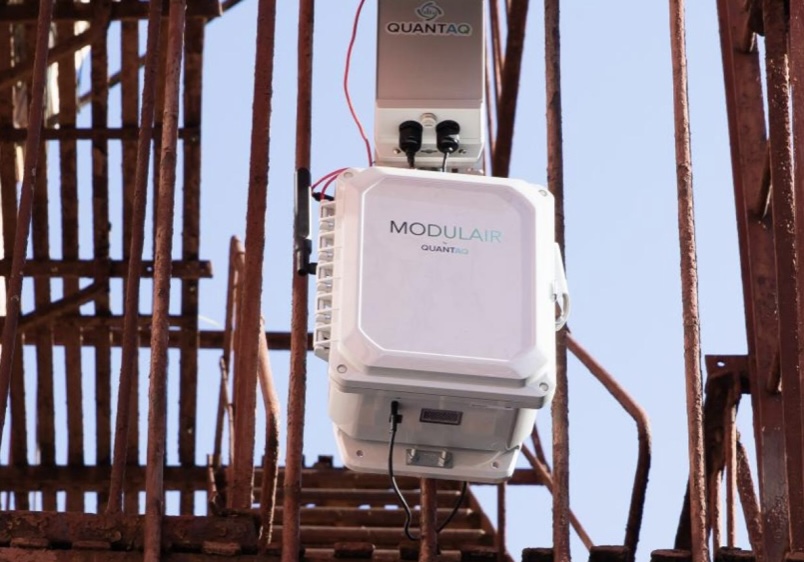
This isn’t the first experience with such a collaboration. Previously, with support from the National Institutes of Health, researchers installed seven monitors to track how the opening of a large warehouse affected air quality. The new project is significantly larger and supported by the New York State Department of Environmental Conservation. The collected data is used not only for scientific analysis but also as a tool to influence public opinion and political decisions.
“Because of toxic air, people are suffering from a range of illnesses,” said Arif Ullah, Executive Director of South Bronx Unite. “From the womb to the grave, a person’s life depends on air pollution. Everyone deserves to breathe clean air. It should not be a luxury—it’s a human right.”
Initiatives by Environmental Community Organizations
Activists and local residents in the South Bronx are uniting in the fight for environmental justice. Among the most influential organizations are:
- Bronx Coalition of Parks and Green Spaces.
This serves as a platform for collaboration among community groups, city agencies, and residents. This coalition organizes the annual Bronx Parks Speak Up forum, which brings together residents, environmentalists, activists, and officials to discuss the state of green spaces in the borough and explore ways to improve access to nature.
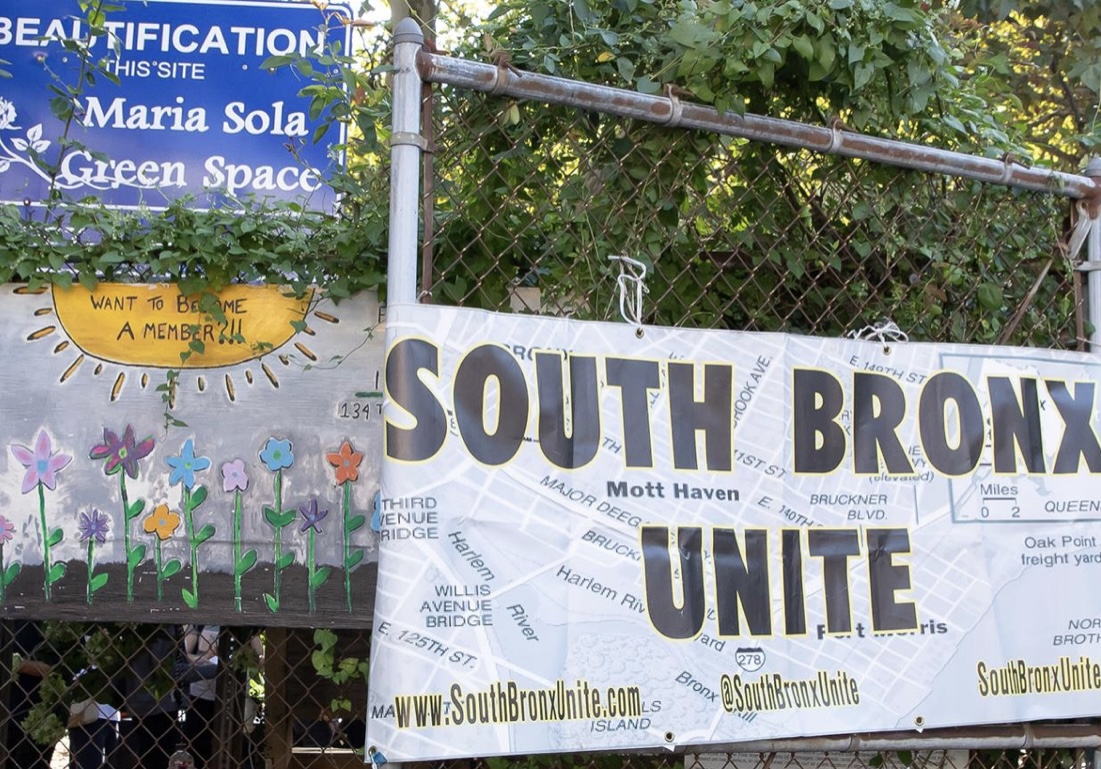
- South Bronx Unite.
Activists from this organization advocate for the right of South Bronx residents to access clean water and air. They are promoting an ambitious plan to revitalize the Mott Haven – Port Morris West waterfront, which includes:
- Expanding green spaces and creating parks, particularly on Alexander Avenue and near the 132nd Street Pier.
- Implementing infrastructure changes to mitigate flood damage and climate change impacts.
- Providing waterfront access to over 100,000 residents in the area.
At the same time, the organization demands an end to the use of riverfront areas for harmful infrastructure, specifically waste transfer stations and fossil fuel production facilities.
- Loving the Bronx.
This organization advocates for creating green spaces near highways, promotes the development of ecological routes, and supports the restoration of riverfronts. Representatives of Loving the Bronx also conduct tours, informational events, and exhibitions, promoting historical and environmental awareness among residents. One of their major projects is “Reimagine the Cross Bronx,” which proposes closing certain highways and creating parks in their place.
- Bronx River Alliance.
This non-profit organization advocates for the restoration and protection of the Bronx River and its adjacent areas.
Their main areas of activity include:
- Removing trash, restoring riverbanks, cleaning water, combating invasive species, and promoting the spread of native plants and animals.
- Engaging volunteers and workers from local communities to create jobs and develop “green” professions.
- Developing a continuous pedestrian and bike path along the river, from source to mouth, in the form of a linear park.
- STEAM programs: “Bronx River Classroom,” “Bronx River Stewards,” and internships for schoolchildren (EELS, BOBCATS).
- Conducting tours and experiential activities: canoeing on the river, “living laboratories,” and clean-up days.
All participants of the annual Bronx Parks Speak Up forum agree that green spaces, clean air, and access to water are not a privilege but a right for every resident. Their initiatives demonstrate how community action, a scientific approach, and environmental justice can change the future of an entire borough. However, without adequate funding, these efforts will remain on paper.
The EPA Grant
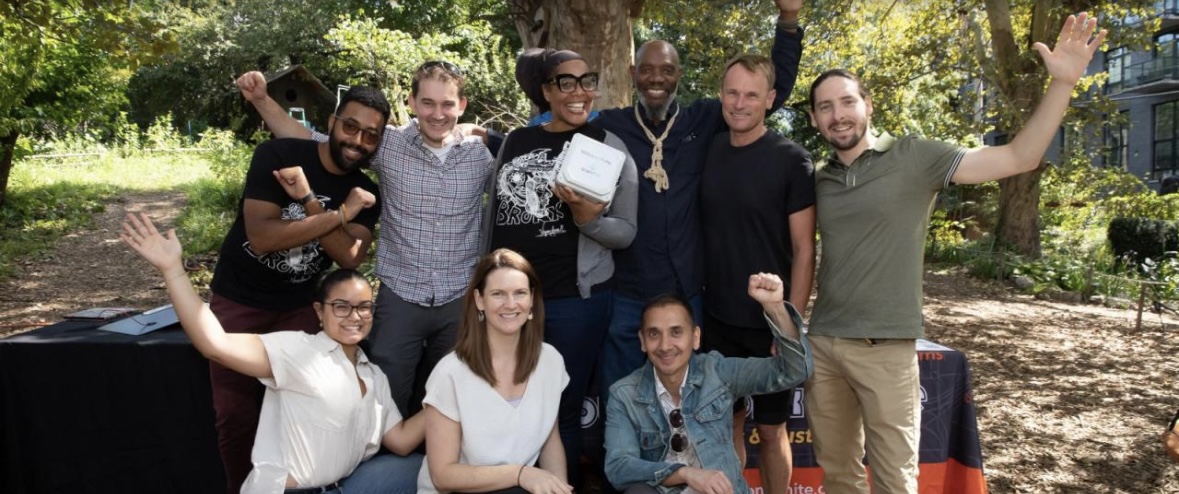
In 2024, the Bronx River Alliance, in collaboration with the organization “Youth Ministries for Peace and Justice,” received a federal grant of $1 million to implement projects aimed at increasing climate resilience in South Bronx communities. The funding was provided by the U.S. Environmental Protection Agency (EPA) as part of the large-scale Community Change Grants Program. This marks the largest investment in environmental and climate justice in U.S. history.
The primary objective of the grant is to establish a Bronx Climate Justice Working Group. This body empowers local communities to actively participate in decision-making regarding climate adaptation, pollution reduction, and infrastructure development.
“For too long, communities across the Bronx have faced various environmental and climate justice challenges,” Senator Kirsten Gillibrand stated during the ceremonial gathering. “I’m proud to have fought for this funding through the Inflation Reduction Act and will continue to advocate for federal resources to support organizations working to advance environmental justice.”
Representatives of local organizations also emphasized the grant’s significance. YMPJ Executive Director David Shaffer called this event a “historic opportunity” for the most vulnerable communities in the Bronx. Members of environmental groups, including the Bronx Environmental Quality Board and South Bronx Unite, noted that these investments will spur systemic changes and contribute to a sustainable future.
This EPA decision is part of the first wave of grant distributions from the Community Change Program, which overall allocates $2 billion to combat environmental issues in underinvested regions.
“This grant underscores the ongoing leadership and dedication of these two powerful organizations in advancing environmental justice and resilience in the South Bronx. Together, we are building a stronger and more sustainable future,” said advisory board member Michael Johnson.