

The “Asthma Belt” or “Asthma Corridor” of the Bronx is an imaginary geographic strip concentrating exceptionally high rates of asthma. This refers to areas in the South Bronx, specifically Mott Haven, Port Morris, and Hunts Point. These neighborhoods are frequently cited in studies due to their alarmingly high rates of bronchial asthma-related hospitalizations, linked to air pollution from freight transport, waste transfer stations, and industrial facilities. We’ll delve into the causes, severity, and solutions to this problem within the context of environmental racism on bronx.name.
Environmental Racism
In the U.S., significant racial and ethnic disparities in who suffers from environmental pollution have long been documented.
“Racial-ethnic disparities in exposure to pollution and consumption of goods and services in the U.S. are well-documented. While it may seem intuitive to some that, on average, Black and Hispanic minorities bear a disproportionate burden of air pollution caused predominantly by White non-Hispanics, this effect has not been directly established before, let alone quantified. Our research confirms what communities of color have been asserting for years,” says Christopher Tessum, lead author of a National Academy of Sciences report.
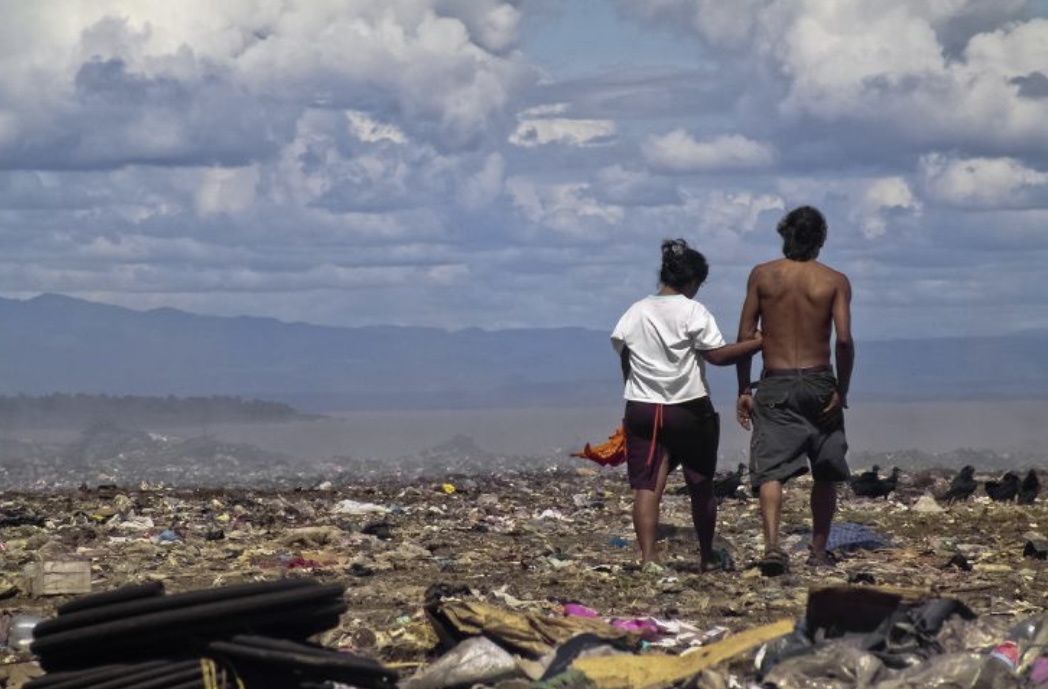
According to the report, African Americans experience 56% more pollution than their own lifestyle and consumption generate, while Hispanics experience 63% more. In contrast, white Americans, conversely, “benefit” from pollution – they inhale 17% less polluted air than they create. These data vividly illustrate a phenomenon known as “environmental racism” – a systemic injustice where Black people, Hispanics, Indigenous peoples, and other marginalized communities face a disproportionate impact from harmful environmental substances. Air, soil, and water pollution lead to serious health problems, including an increased risk of cancer, diabetes, asthma, and other chronic diseases.
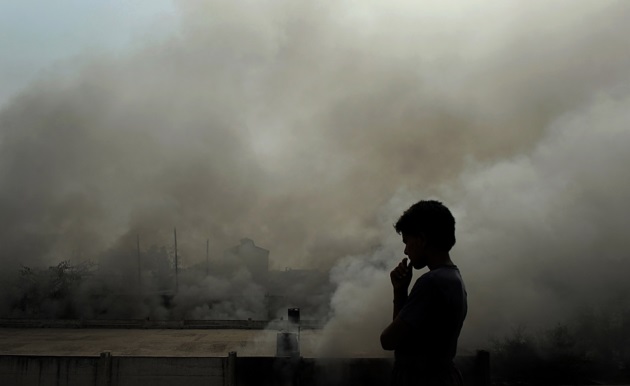
Historically, American environmental policy has often favored affluent white communities, leaving poorer areas—primarily inhabited by communities of color—adjacent to factories, landfills, and hazardous industrial sites. Another study revealed that 75% of toxic waste disposal sites are located in areas with low-income, non-white residents.
Among the most egregious examples of environmental racism is “Cancer Alley” in Louisiana, a region between Baton Rouge and New Orleans. It houses over 200 petrochemical facilities, and the majority of the local population is Black. People in this zone face a risk of developing cancer, respiratory diseases, fertility issues, and pregnancy complications that is dozens of times higher than average.
Another well-known case is the water crisis in Flint, Michigan, where in 2014, authorities decided to cut costs by switching the city to a contaminated water source. As a result, thousands of residents, predominantly African American, consumed water with high lead content for years. This led to widespread health problems—from brain damage in children to a fatal Legionnaires’ disease outbreak.
Asthma and New York
Another painful environmental issue in America is the Bronx’s “asthma belt.” Asthma is a chronic lung disease that makes breathing difficult due to inflammation and swelling of the airways, as well as excessive mucus production. Key symptoms include wheezing, shortness of breath, chest tightness, and coughing. This condition can develop at any age but particularly affects children and significantly reduces quality of life.
Factors that can trigger an asthma exacerbation include allergens, air pollution, extreme heat or cold, respiratory infections, and physical exertion. While a complete cure for asthma is not yet possible, it can be managed. For effective control, it’s crucial to identify and avoid triggers, regularly monitor airway status, and use appropriate medications—bronchodilators and anti-inflammatory drugs.
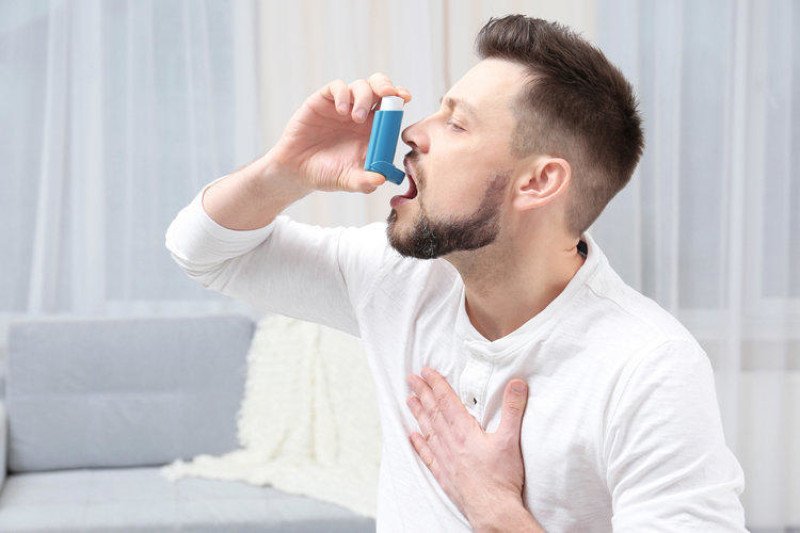
Currently, asthma affects approximately 26 million people in the U.S., with over 6 million being children. Among children, the prevalence of asthma is 9.4%, which is higher than among adults (7.7%). Each year, over 4,000 people die from asthma in the country.
While the disease is widespread, it’s often underestimated or improperly treated—especially in underserved communities. The worst situation is in low-income communities, primarily inhabited by Black and Hispanic families. In these areas, asthma significantly more often leads to hospitalizations and even deaths. According to the CDC, asthma mortality rates among Black and Hispanic individuals are three times higher than among white Americans.
Asthma is not only a medical issue but also a socio-environmental problem. Its resolution requires a systemic approach: from changing land-use policies to a culturally sensitive approach to healthcare, from creating green spaces to genuinely considering the voices of the communities themselves.
The Bronx: A Red Flag
New York City, and the Bronx in particular, is one of the most problematic regions in the U.S. concerning childhood asthma. It records the highest number of hospitalizations and deaths among children and youth. The Bronx has the highest prevalence of asthma among all five New York City boroughs. The poverty rate here is 26%, significantly higher than the national average of 11%, which may be one of the contributing factors to the severe progression of the disease.
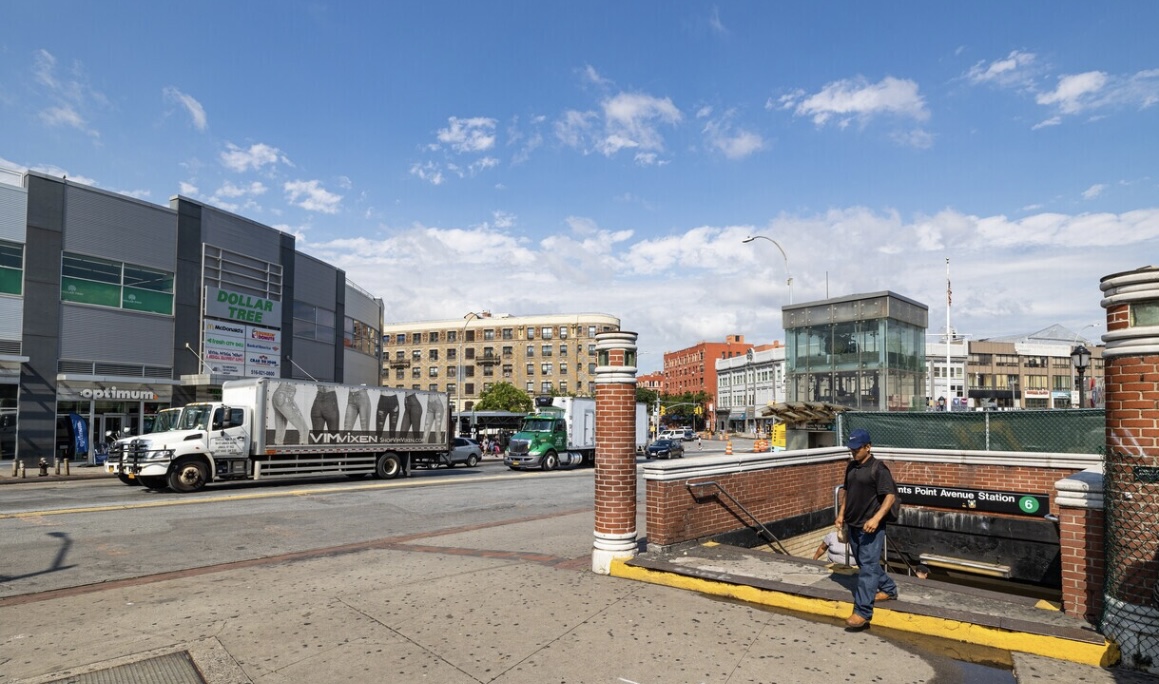
The South Bronx, especially the Mott Haven area, is known as one of the most polluted places in New York City. Several major highways intersect here, and warehouses and industrial facilities operate, including the Hunts Point food distribution center, which thousands of diesel trucks travel to daily.
Emissions from transport, warehouses, printing presses, and garbage trucks—all create a deadly cloud of pollution that Bronx residents breathe every day. Most of them are low-income Black and Hispanic families. As locals say, almost every family has members with asthma. Clinics are overcrowded, and many children grow up constantly under threat of attacks.
The root of the problem lies in environmental inequality, which has formed over years. Due to historical segregation, racist zoning, and infrastructure planning, industrial zones and highways were deliberately placed in low-income areas. As a result, residents of these neighborhoods have borne an unfair burden—illnesses, threats to children, and a lost quality of life.
Despite attempts to implement asthma prevention and management programs, the gap in healthcare quality between affluent and low-income communities remains significant. The reasons are not only financial but also rooted in social conditions: education, access to medical services, and living conditions. Cultural barriers further exacerbate this—for example, distrust of medication or inconsistent use due to personal or traditional beliefs. This diminishes the effectiveness of self-managed asthma control.
Mott Haven illustrates how environmental and social inequality intertwine.
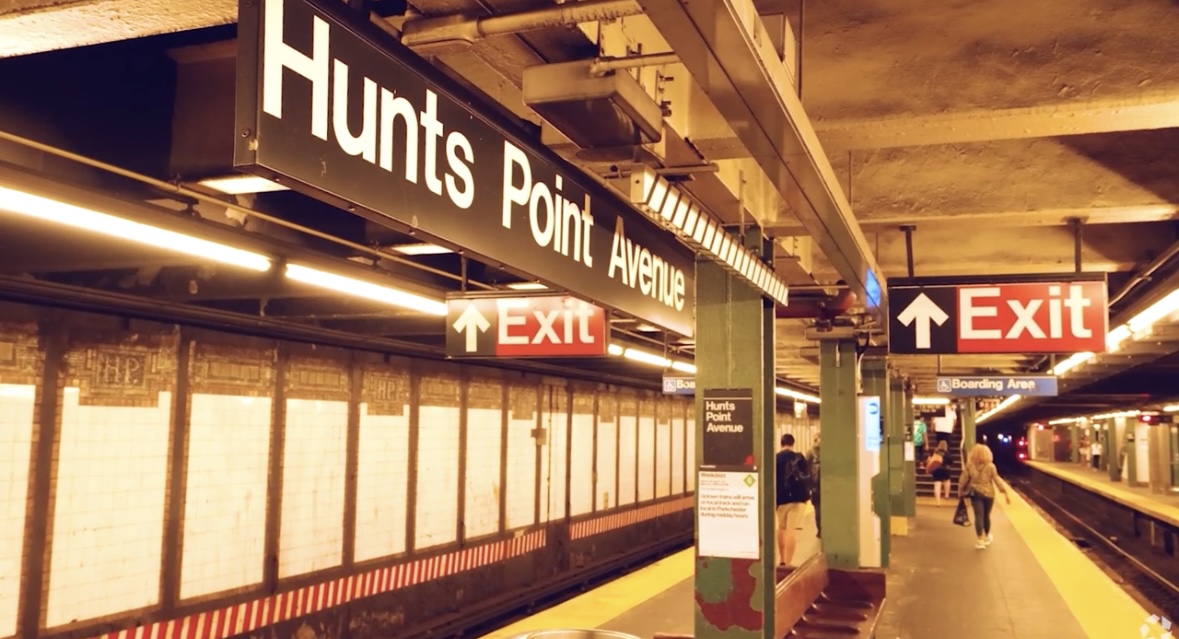
Local activists, such as South Bronx Unite and The Point CDC, have been working for years to change the situation. They educate the community, engage youth in activism, advocate for the right to clean air, and champion the creation of green spaces like St. Mary’s Park. While these are small steps, they matter—because even one park can improve residents’ health.
Political Impact on the Problem
One of the prominent voices on the Bronx “asthma belt” issue has been Congresswoman Alexandria Ocasio-Cortez. In her addresses to Congress, she has repeatedly emphasized that environmental justice is not an elite concern but a fundamental matter of quality of life. She has urged politicians not to ignore people’s need for clean air and water, especially in areas like the South Bronx.
Another politician actively advocating for initiatives against air pollution in the Bronx is Ritchie Torres. Along with Congresswomen Castor (Florida) and Blunt Rochester (Delaware), he introduced the “Environmental Justice Air Quality Monitoring Act.” This bill proposes the creation of a five-year pilot program with an annual budget of $100 million.
The goal is to equip communities with tools for hyper-local air quality monitoring. The program will enable:
- Collaboration between government and community.
- Installation of sensors to measure pollution at the neighborhood level.
- Creation of interactive maps and informing communities about dangerous zones.
- Development of action plans to improve the situation.
“We cannot fight a problem we cannot see. This bill will allow for precise identification of pollution sources and empower communities to act,” Torres noted.
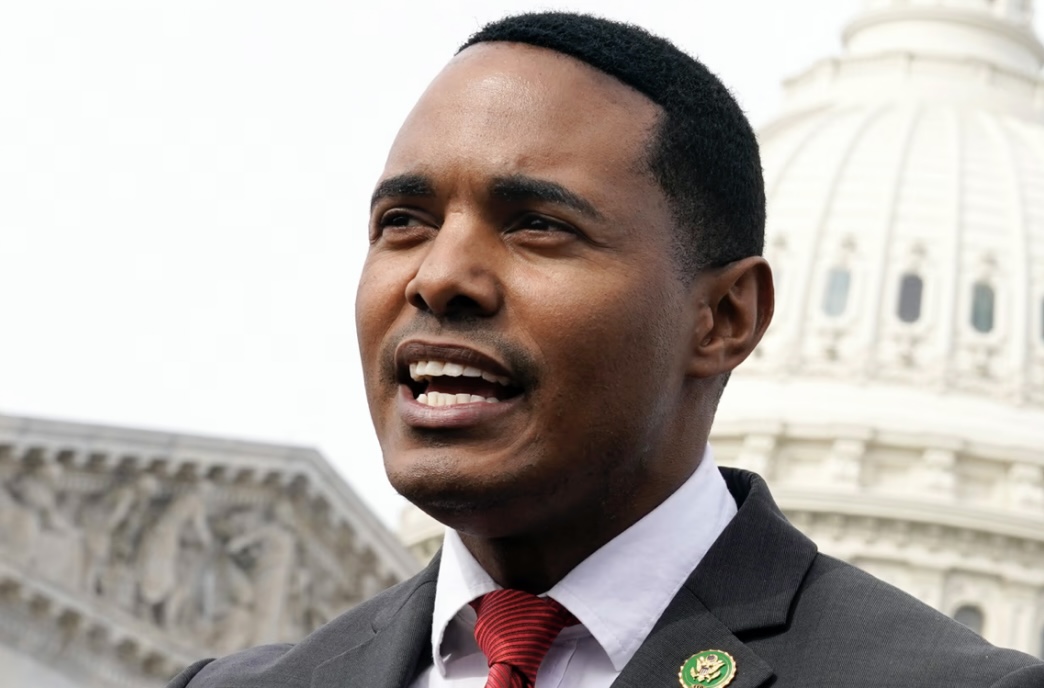
Organizations like South Bronx Unite and Loving the Bronx, who have been fighting for environmental justice for years, have supported the initiative.
“This bill will save lives. We have long sought access to real air data to understand how exactly our community is suffering,” said Michael Johnson, co-founder of South Bronx Unite.
Torres and activists also advocate for the closure or reconstruction of the Cross-Bronx Expressway, the implementation of air purification systems and new eco-technologies, as well as the creation of green spaces and a reduction in freight traffic in the South Bronx.
These steps are part of a broader fight for environmental justice – for the right to breathe clean air, regardless of the neighborhood you live in.