

Big cities offer vast opportunities for individuals but also produce significant environmental pollution from industrial operations, vehicles, and human activity. In New York City, power plants are a major contributor to this issue. Bronxname.com delves deeper into the challenges these facilities present for the Bronx.
Power Plants as a Problem for the Bronx
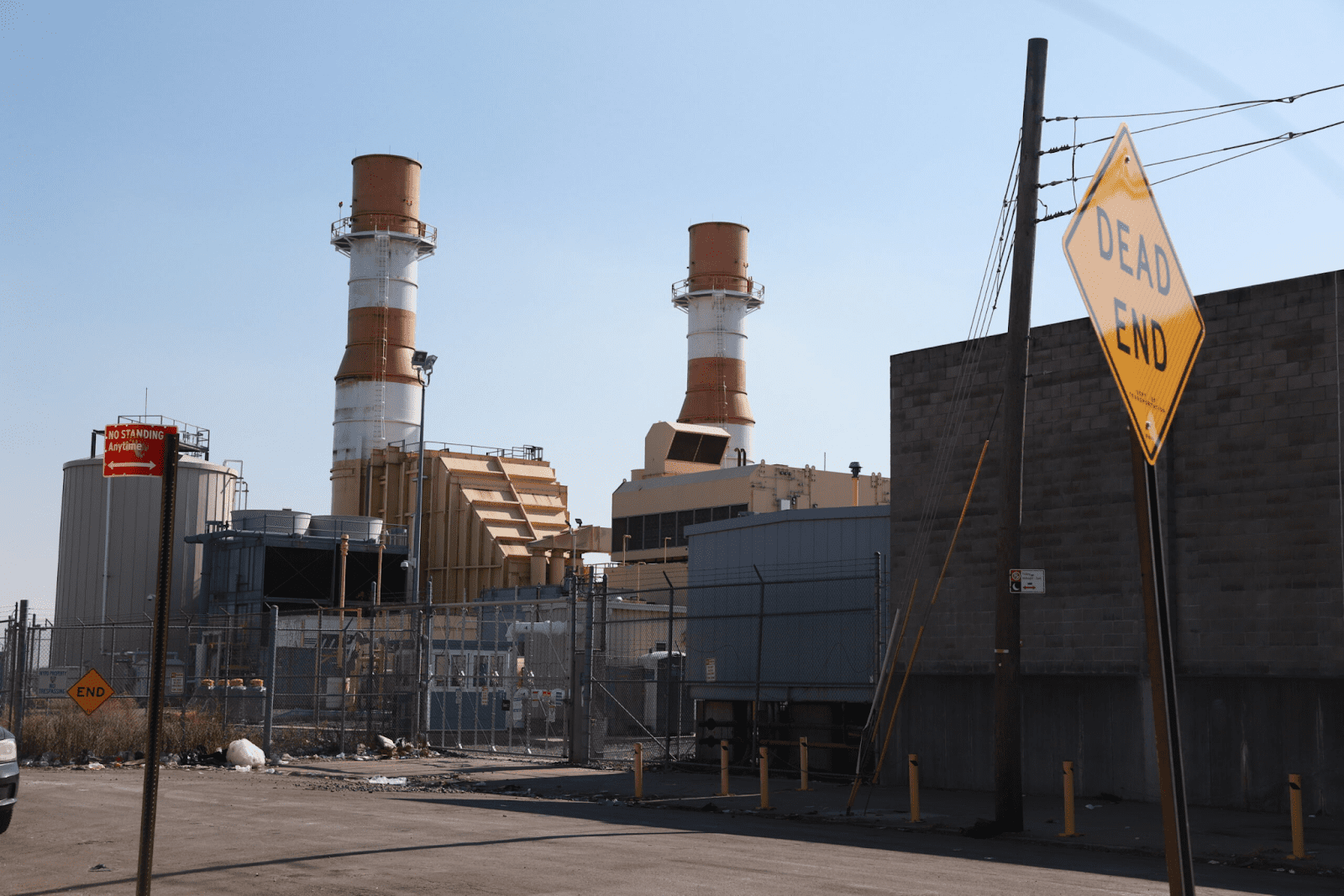
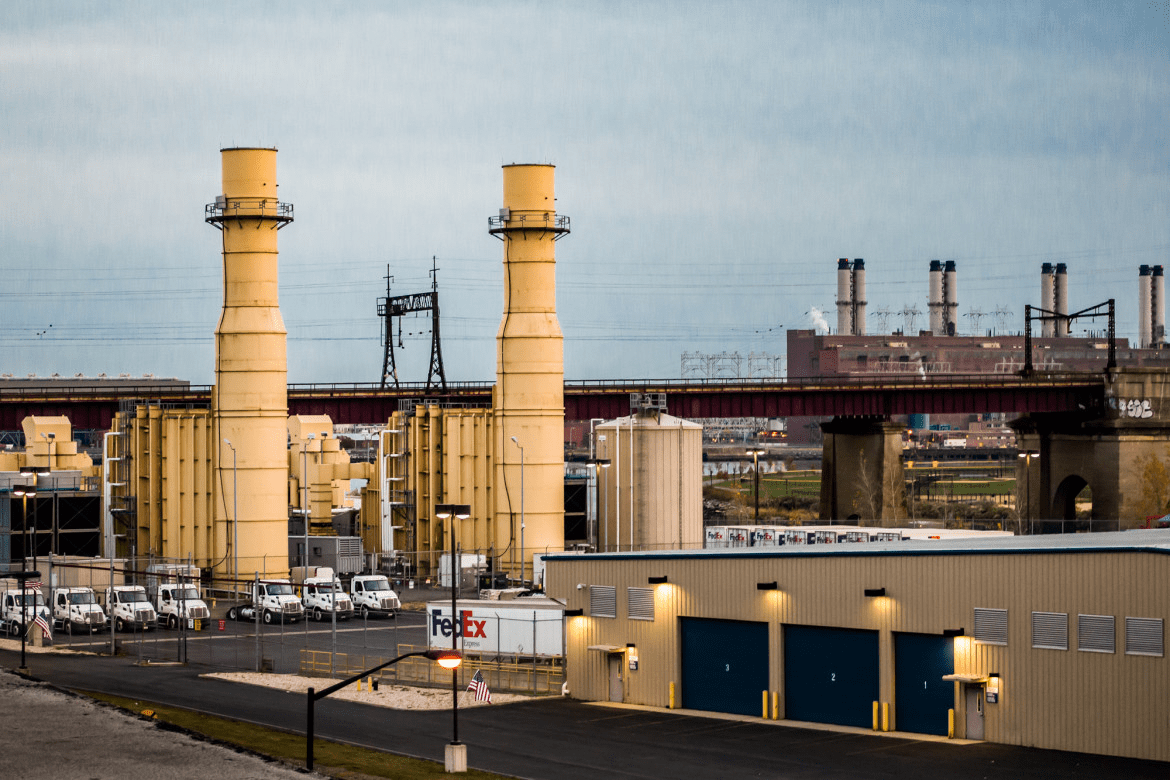
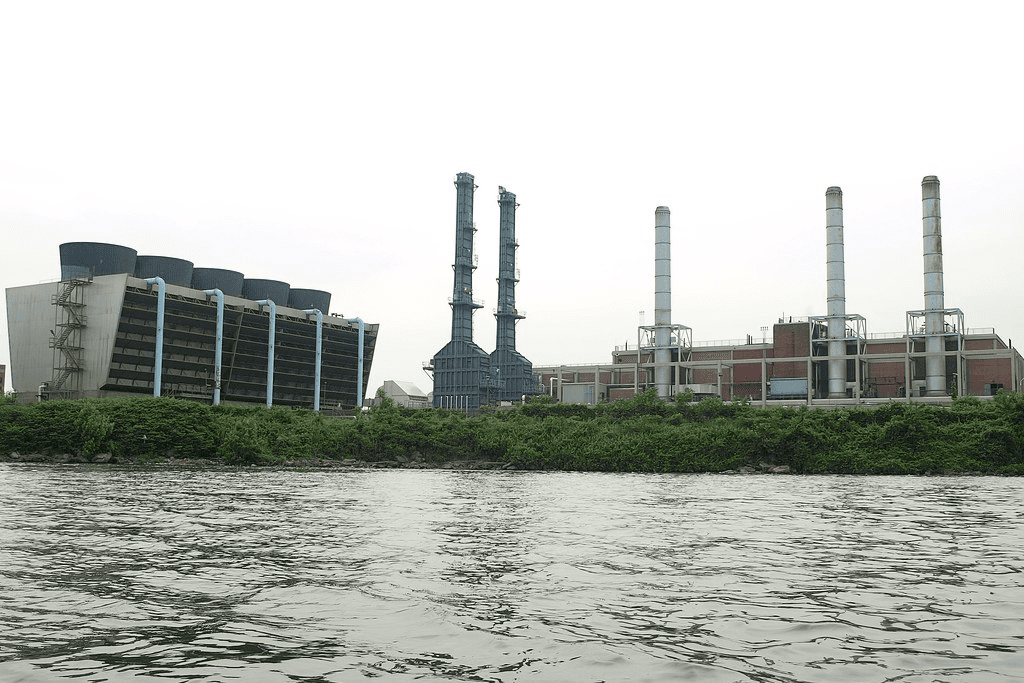
According to bxtimes.com, residents of the South Bronx refer to their borough’s waterfront area, stretching from Port Morris to Hunts Point, as a “toxic soup” of environmental hazards. The reasons are clear: large power plants, waste transfer stations, and relentless diesel truck traffic combine to create severe environmental and public health challenges.
This issue has long been recognized. In response, the New York Power Authority (NYPA) decommissioned 4 of its 16 gas-powered plants. However, these closures had only a temporary effect. Two decades later, activists in the Bronx continued to demand the closure of the remaining power plants to achieve large-scale decarbonization of the borough. NYPA has since committed to retiring all South Bronx power plants by 2035.
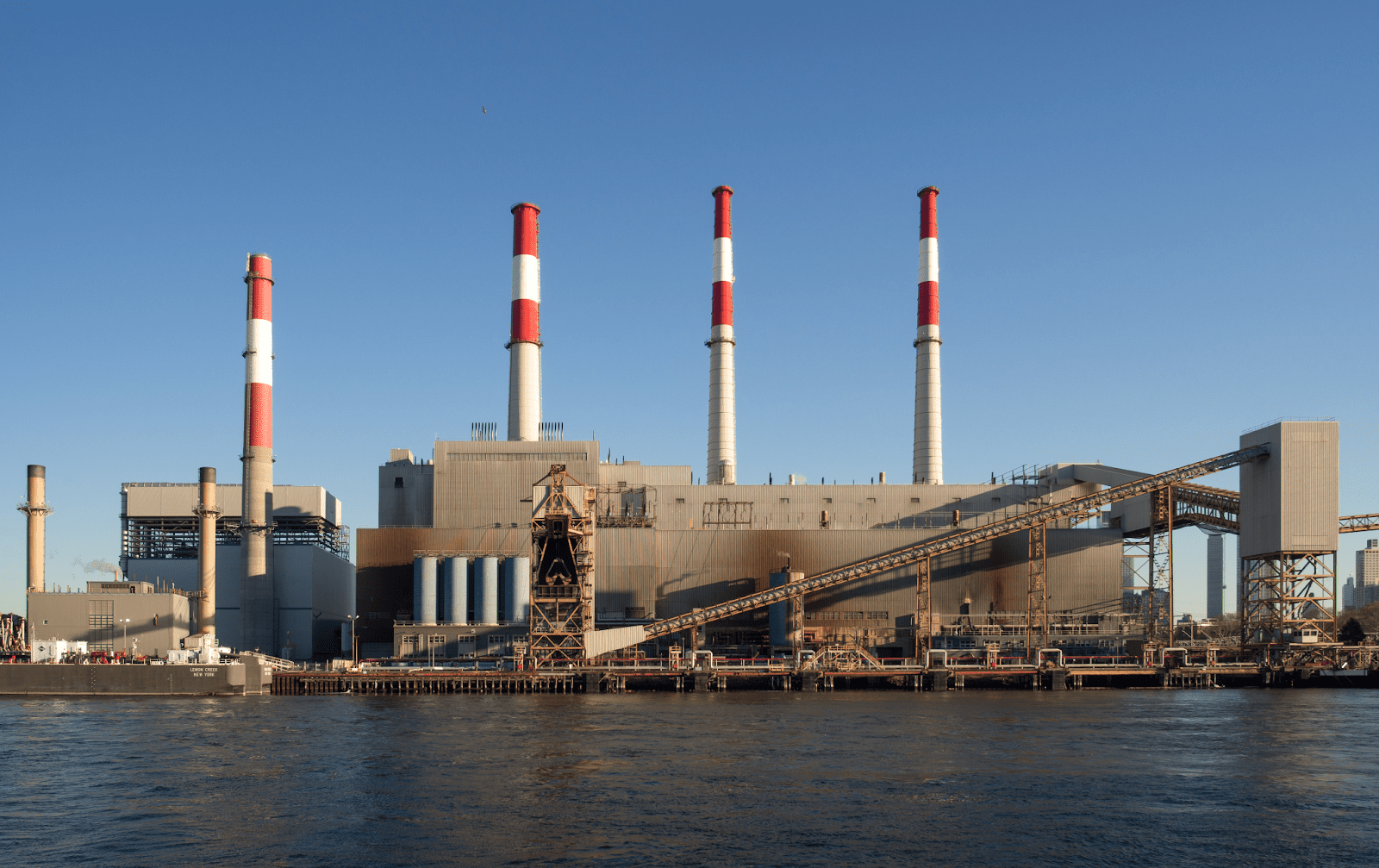
Despite this announcement, activists and climate experts remain dissatisfied. They argue that renewable energy resources are already sufficient to replace all 10 NYPA-operated power plants in New York City much sooner. According to the New York Independent System Operator (NYISO), which manages electricity for the state, these plants operate only 10% of the time or less.
Currently, NYPA oversees 10 power plants across New York City and 1 on Long Island. South Bronx Unite’s executive director, Arif Ullah, considers the presence of 4 power plants in the South Bronx a serious threat to public health. Ullah and other activists demand an expedited timeline for decommissioning these facilities, emphasizing that the goal of 2035 is too distant and renewable energy solutions could replace these plants as early as 2026.
The Harm of Road Traffic
In addition to power plants, traffic is another significant source of pollution in the Bronx. Major highways run through the borough, contributing to air and noise pollution. Approximately 20% of schools are located near busy roads, exposing many children to harmful air quality.
Asthma and Other Diseases in the Bronx
Environmental conditions have already led to alarming health outcomes. Asthma rates in the Bronx are among the highest in the United States. Neighborhoods like Mott Haven and Melrose, surrounded by power plants, have the highest hospitalization rates for asthma among children aged 5 to 17. These rates are three times the citywide average.
Some parts of the Bronx are even nicknamed “Asthma Alley.” These residential areas are among the most racially diverse in New York City and some of the poorest in the nation. Serena Jones, a local resident near Mott Haven’s industrial power complex, shared that all three of her children have developed asthma. Summers are particularly challenging for her family, and she feels that their plight is ignored.
The New York Public Service Commission, responsible for regulating electricity, gas, and telecommunications, highlights the environmental impact of gas-powered plants. Such facilities emit twice as much carbon dioxide and 20 times more nitrogen oxide than standard power plants to generate the same amount of electricity. These emissions are linked to respiratory diseases, heart conditions, and cancer.
Steps Toward Resolution
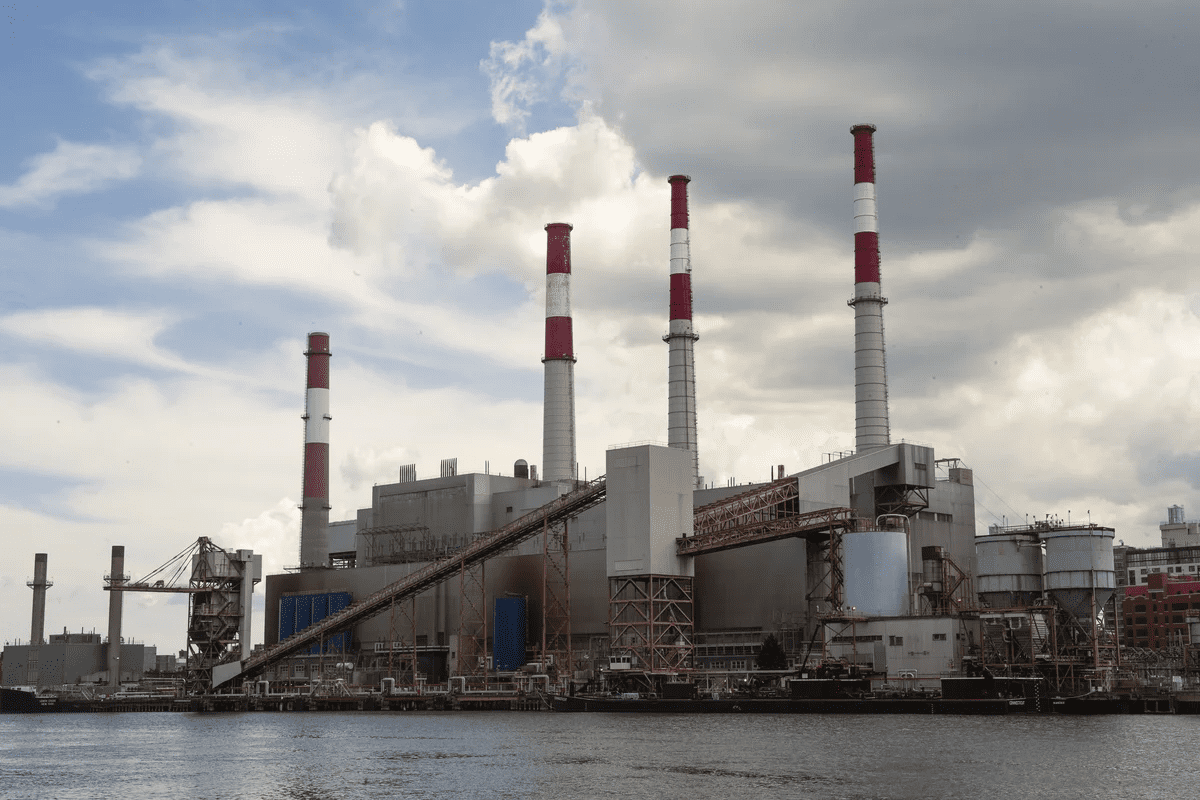
In 2021, NYPA entered into an agreement with local environmental justice groups to explore new clean energy solutions to replace aging gas plants across the city. This was the first-ever collaboration between a state agency and community organizations to seek a sustainable path forward.
NYPA has since reiterated its commitment to transitioning small power plants to low-carbon or carbon-free technologies by 2035. However, Bronx residents remain skeptical, pointing out that 80–90% of the city’s electricity still comes from fossil fuels.
Future Plans
Demonstrations in Mott Haven have long called for the closure of power plants, but progress has been slow. In March 2022, South Bronx Unite and other advocacy groups sent a letter to Governor Kathy Hochul urging the closure of polluting facilities. The letter highlighted that Mott Haven and Port Morris suffer from higher levels of particulate pollution than the rest of New York City.
In response, NYPA announced plans to decommission the plants by 2035 and proposed building new transmission lines under the “Clean Path New York” project. These lines will deliver renewable energy from central New York and the rest of the state to the Rainey Substation in Astoria, with some of that energy reaching the Bronx.
Amy Vargese, vice president of Clean Path NY External Affairs, shared encouraging news about the project, which is expected to reduce Bronx particulate pollution and emissions by 22% annually. Scheduled to begin in 2027, the initiative includes a $70 million investment. It is part of a series of environmental justice programs aimed at directing funds to communities most affected by pollution. Vargese emphasized that Clean Path NY is committed to collaborating with stakeholders at every stage and ensuring that the voices of local residents are heard.