

It’s common for rivers to share their names with the towns or cities they flow through, and the Bronx River is no exception. Unfortunately, along with its name, this river has also inherited a less-than-clean reputation—both literally and figuratively. Despite numerous programs by volunteer and environmental organizations aimed at cleaning the water and shores, troubling news frequently surfaces: businesses dumping harmful substances into the water, mass fish deaths, or the disappearance of wildlife populations in the area. In this article, we’ll explore why maintaining the Bronx River’s cleanliness remains a challenge, who is actively fighting the pollution, and how they’re doing it. Read more on bronxname.
From Drinking Water Source to Environmental Crisis
Years ago, the Bronx River’s water was so clean it was safe to use for drinking and cooking. However, like many rivers and lakes in the United States, the rapid development of industry and centralized sewage systems caused significant changes in the river’s chemical composition. The Bronx River has suffered heavily from this shift. Large businesses in Westchester and the Bronx frequently used the river for their needs, often ignoring environmental and sanitary regulations. As a result, by the 20th and 21st centuries, the Bronx River faced catastrophic pollution from combined sewage overflows, microplastics, trash, and other harmful substances.

Today, seeing dead fish floating on the river’s surface or lying along its shores is a grim and common reality.
Why the Bronx River Is So Polluted and Why It’s Dangerous for the City
Approximately 455 million gallons of untreated wastewater flow into the Bronx River annually. While environmental laws require municipalities to provide maps of their sewage systems, illegal sewage connections to the city’s main river system still surface from time to time.
Tracking these illegal systems is complicated because the primary infrastructure is controlled by Westchester, while the municipalities manage their own lines. Without a centralized body overseeing the entire system, many issues go unnoticed.
Private businesses, such as large stores and car washes, are another significant problem. These enterprises use large amounts of water and often dump waste on a massive scale. Again, there are no strict regulations or agencies to monitor these practices effectively.
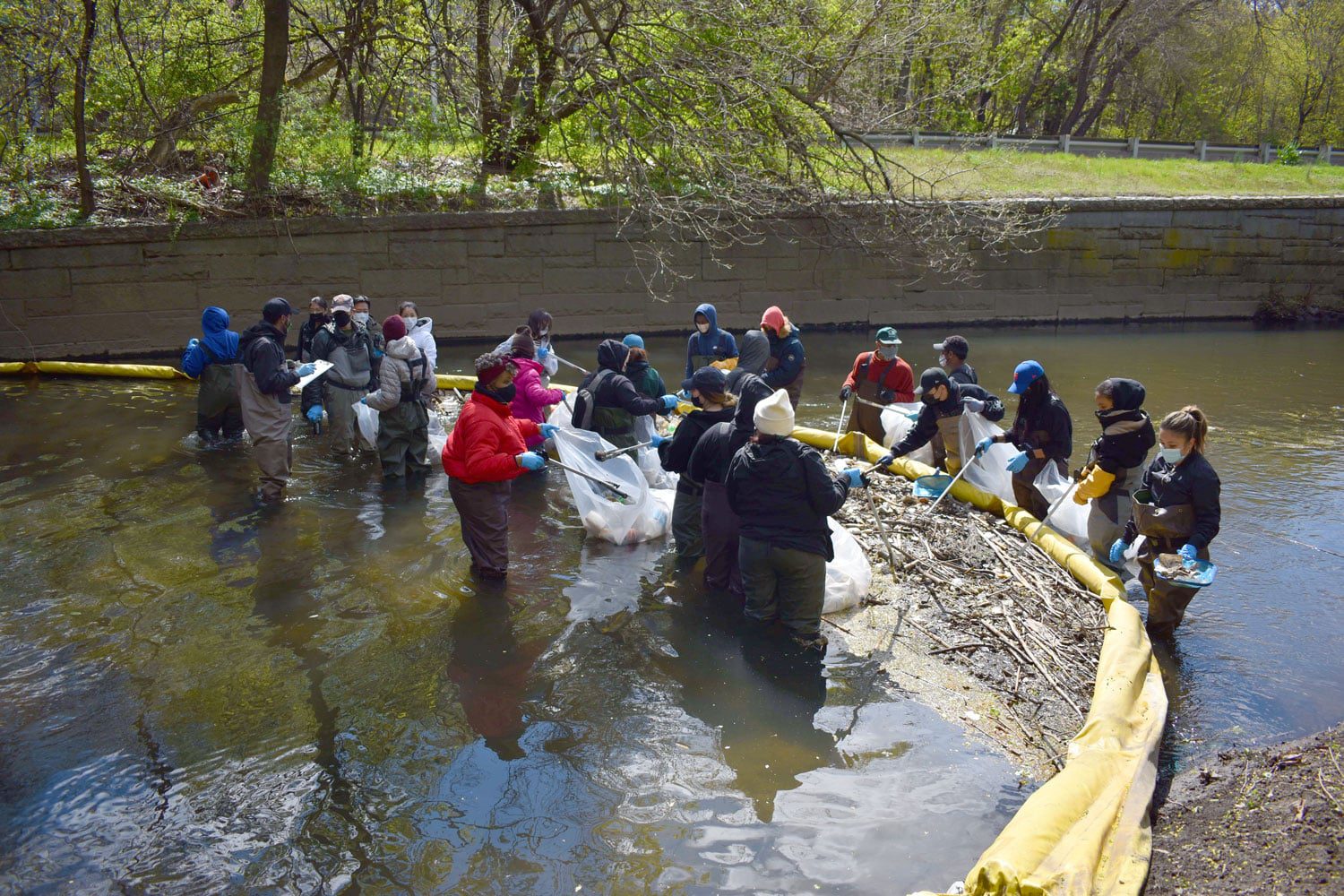
Government efforts to address the Bronx River’s pollution exist but fall short of resolving the problem. For instance, the New York City Department of Environmental Protection plans to invest $150 million to divert 170 million gallons of polluted water from the Bronx River to the East River. However:
- What happens to the remaining 285 million gallons still flowing into the Bronx River? The problem remains largely unresolved.
- This plan merely shifts the issue to the East River, worsening its water quality.
- Estimates suggest it would cost over $36 billion to normalize the Bronx River’s water quality. These one-time actions are just a drop in the bucket.
Pathogenic substances, trash, increased acidity, harmful bacteria, and other pollutants severely impact the ecosystem. They disrupt the flora and fauna, contaminate the soil, and could even spark epidemics or disease outbreaks.

Another alarming consequence of the Bronx River’s deterioration is its reduced capacity to absorb storm surges, potentially leading to flooding in nearby areas.
Bronx River Alliance: A Community of Committed Citizens
Without the Bronx River Alliance, the Bronx River might have already turned into a lifeless swamp. This environmental volunteer organization tirelessly works to protect and restore the river’s ecosystem. Their goal is to create a healthy, recreational, educational, ecological, and economic resource.
The Bronx River Alliance collaborates with the New York City Parks Department, regional organizations, charitable foundations, nonprofit groups, and government entities at all levels.
Their primary activities include systematic water and shoreline testing. Volunteer teams conduct a variety of tests to assess:
- pH levels
- Temperature
- Dissolved oxygen
- Conductivity
- Turbidity
- Fecal pathogens
- Nutrients
- Microplastics
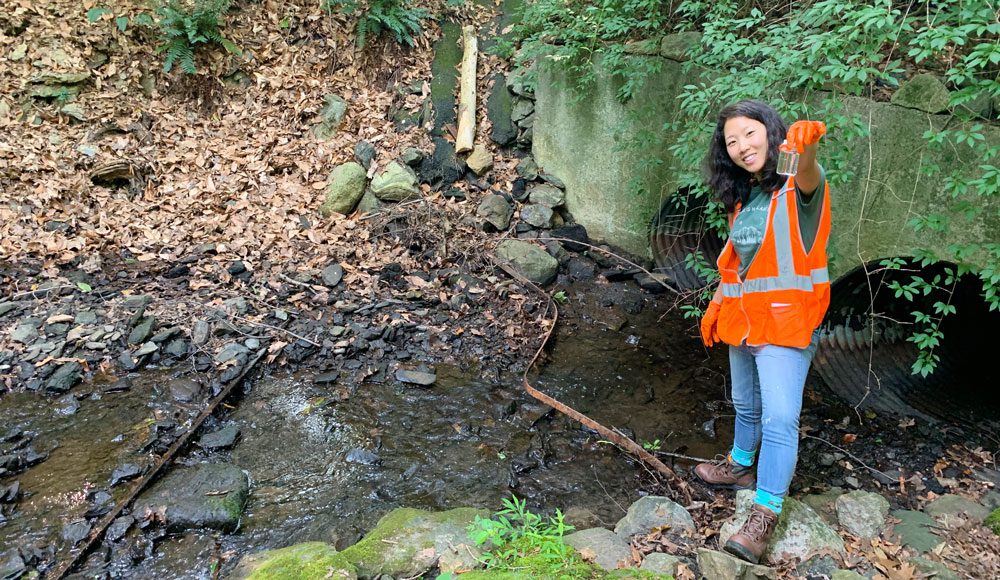
Volunteers are often assigned to specific sections of the river to identify potential sources of harmful discharges. Targeted checks are also conducted near visible pipes leading into the river. These efforts have uncovered several violations, including the illegal use of decommissioned pipes for hazardous waste disposal.
The Bronx River Alliance’s environmental program focuses on three main issues tied to the Bronx River’s pollution:
- Trash
- Fecal pathogens
- Low dissolved oxygen levels
Project WASTE
The WASTE Project (Waterway And Street Trash Elimination) focuses on removing floating trash and cleaning the riverbanks.
Special volunteer groups are sent to areas with notable pollution. Common waste includes empty cans, plastic bags, food packaging, metal scraps, and other debris, especially non-biodegradable items that pose long-term risks.
The river experiences the most pollution during the summer, making this season the busiest for WASTE. Anyone can join this initiative and contribute to cleaning the Bronx River and its shores.
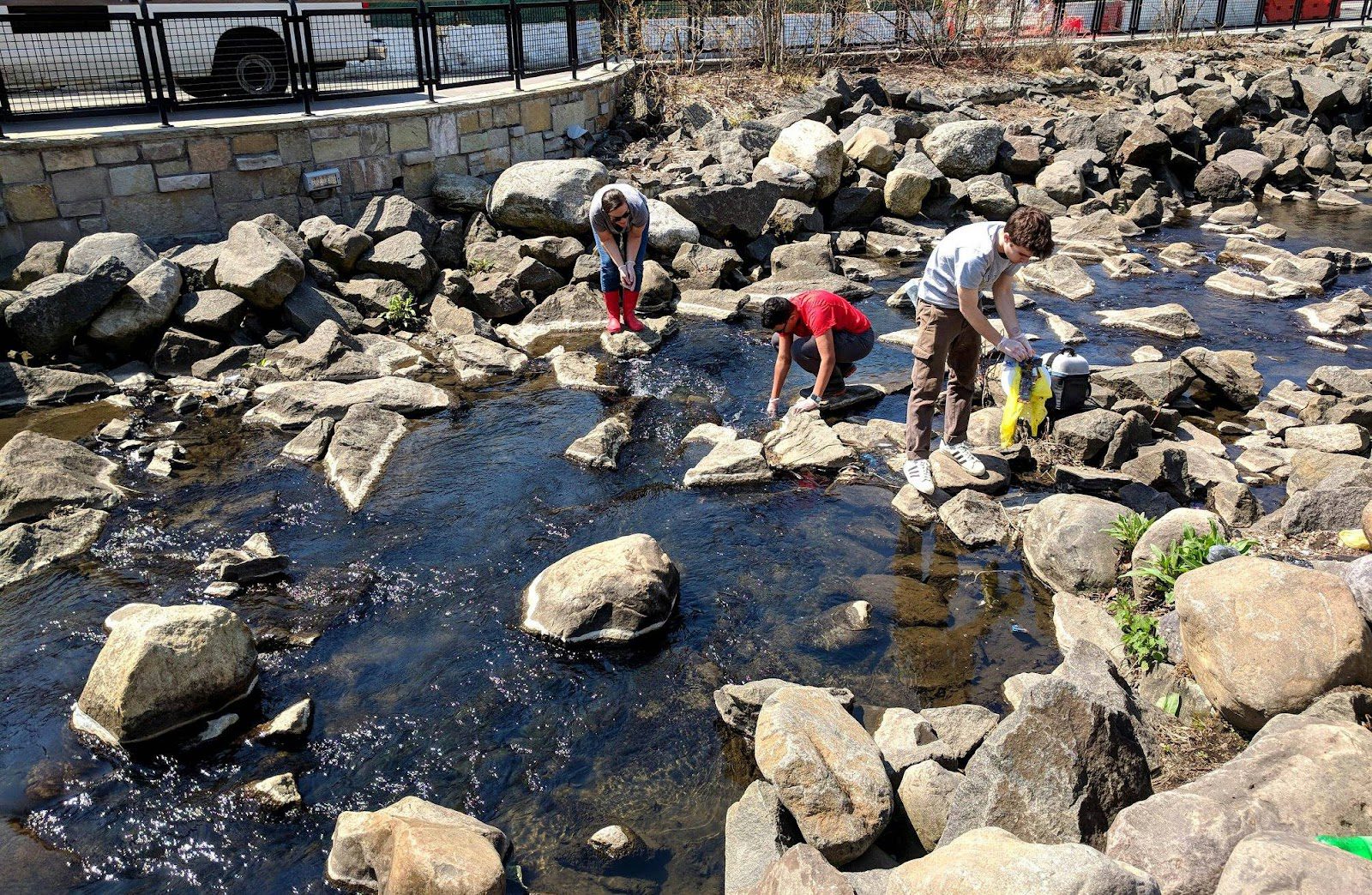
To date, WASTE volunteers have removed over 200,000 pieces of harmful waste from the Bronx River, weighing more than 7,000 kilograms.
Project Water DROP
The Water DROP Project (Detecting River Falls and Pollutants) targets fecal pathogens, particularly Enterococcus bacteria, often found in animal waste and capable of causing diseases in humans exposed to contaminated water. High Enterococcus levels indicate untreated sewage entering the river. According to the Clean Water Act, the safe limit is 60 cells per 1,000 milliliters.
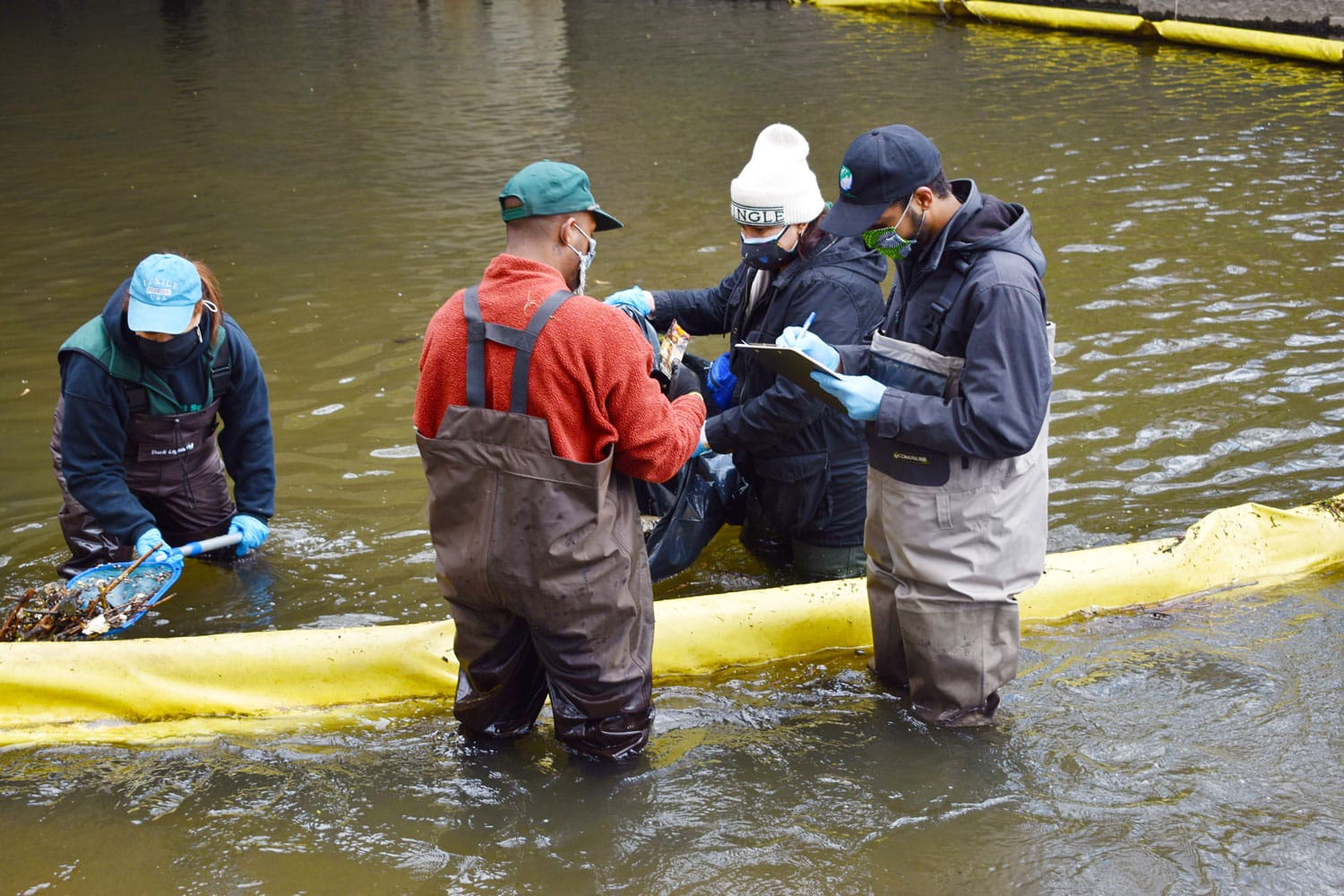
The Bronx River Alliance has identified 15 monitoring sites along the Bronx River. Volunteers periodically collect water samples for analysis in specialized labs. Results are usually alarming, with numbers often reaching hundreds or even thousands of cells. The highest recorded level, over 24,000 cells per 1,000 milliliters, occurred near Soundview Park, where the Bronx River meets the East River.
The Bronx River Alliance is about more than just tackling trash and bacteria. It’s a community of conscious and compassionate individuals committed to the city’s and its residents’ future.
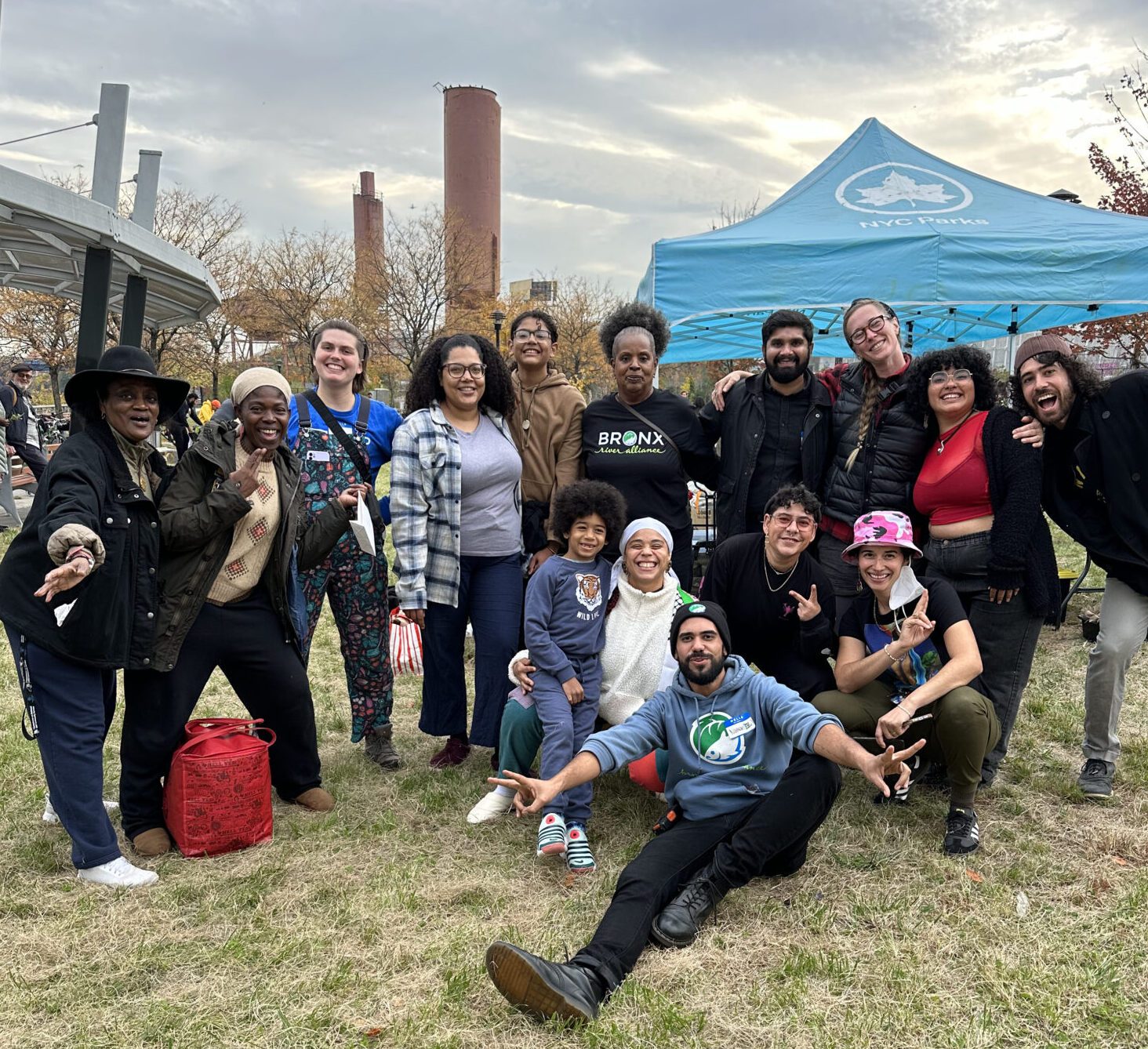
The organization regularly hosts events to bring people together for the benefit of the environment—and for fun. Picnics, workshops, bike rides, festivals, and more await you at the Bronx River Alliance. So, join in, care for the environment, and make new friends!