

Edward Byrne was an American engineer celebrated for leading large-scale infrastructure projects in New York City during the early 20th century. He gained his greatest fame for his pivotal role in the design and construction of the Triborough Bridge, which connects Manhattan, the Bronx, and Queens. Read on for more about the life and career of this distinguished engineer on bronx.name
Childhood and Education
Edward Byrne was born on January 27, 1864, in the Bronx, to Frederick John and Susan Mary Byrne. His ancestors hailed from Ireland. His early years unfolded in the post-Civil War era in the U.S. – a time of rapid industrialization and New York’s emergence as a colossal city. His family, like many Irish immigrants of that period, belonged to the working or middle class. Young Edward showed an interest in science and engineering from an early age. In 1884, he graduated from the School of Engineering at the City College of New York, one of the premier technical institutions of its time. He was only 20 when he received his engineering diploma. As a young graduate, Edward began working in the New York City Water Department, where he gained invaluable experience working on aqueducts, water supply systems, and transportation infrastructure.
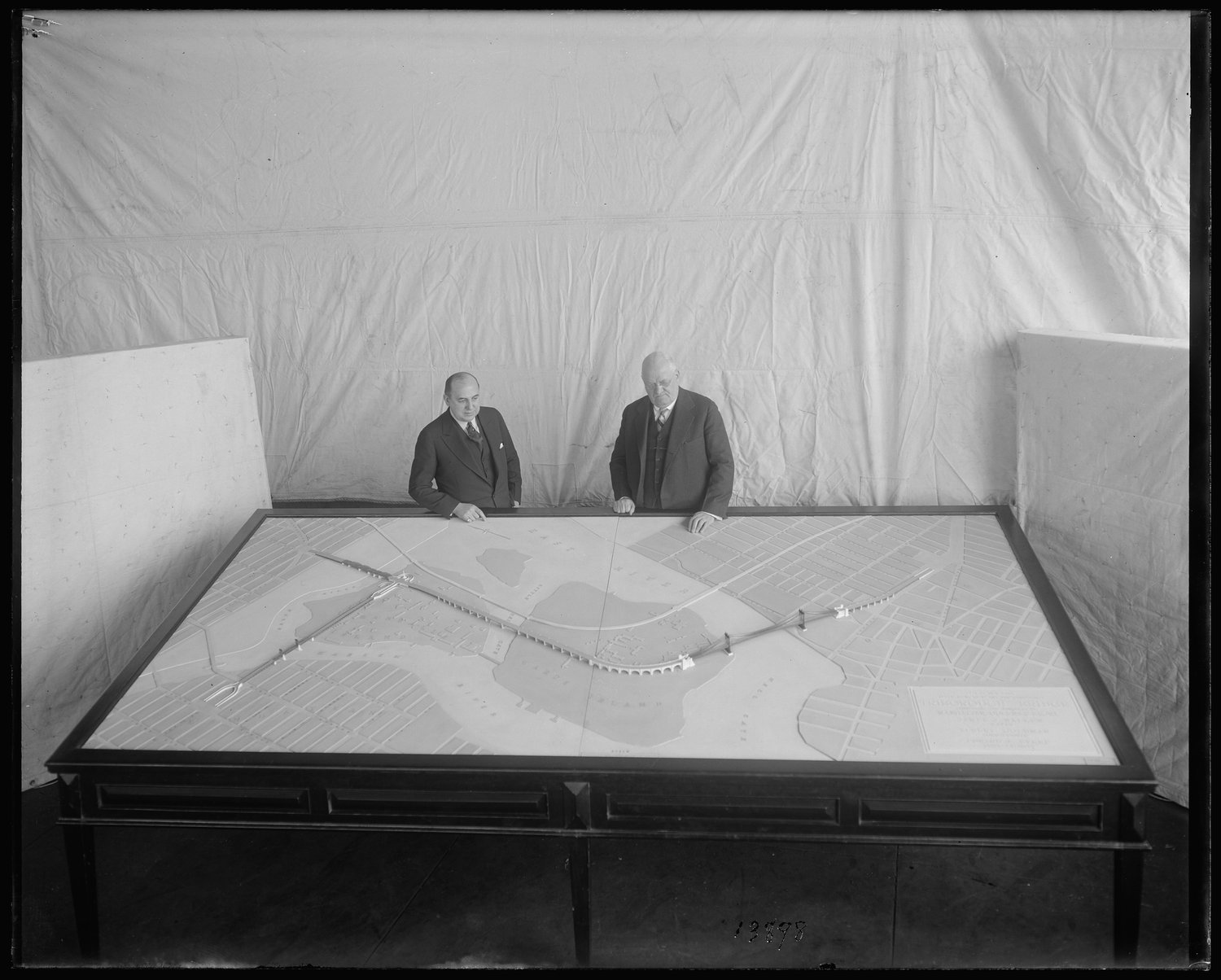
From his youth, Byrne displayed both profound technical knowledge and exceptional diligence. This allowed him to quickly ascend the career ladder in urban construction.
A Brilliant Bridge Designer
Edward Byrne’s engineering journey began in 1886 when he joined the Croton water supply project as part of the New York Aqueduct Commission. It was there that he met Robert Ridgway, who would become a renowned engineer and public official. This chance encounter at a construction site marked the beginning of two brilliant careers.
From 1889 to 1897, Byrne was involved in the design of highways and bridges within the New York City Department of Public Works. Then, on January 1, 1898, his true career began: he became an employee of the newly established Department of Bridges.
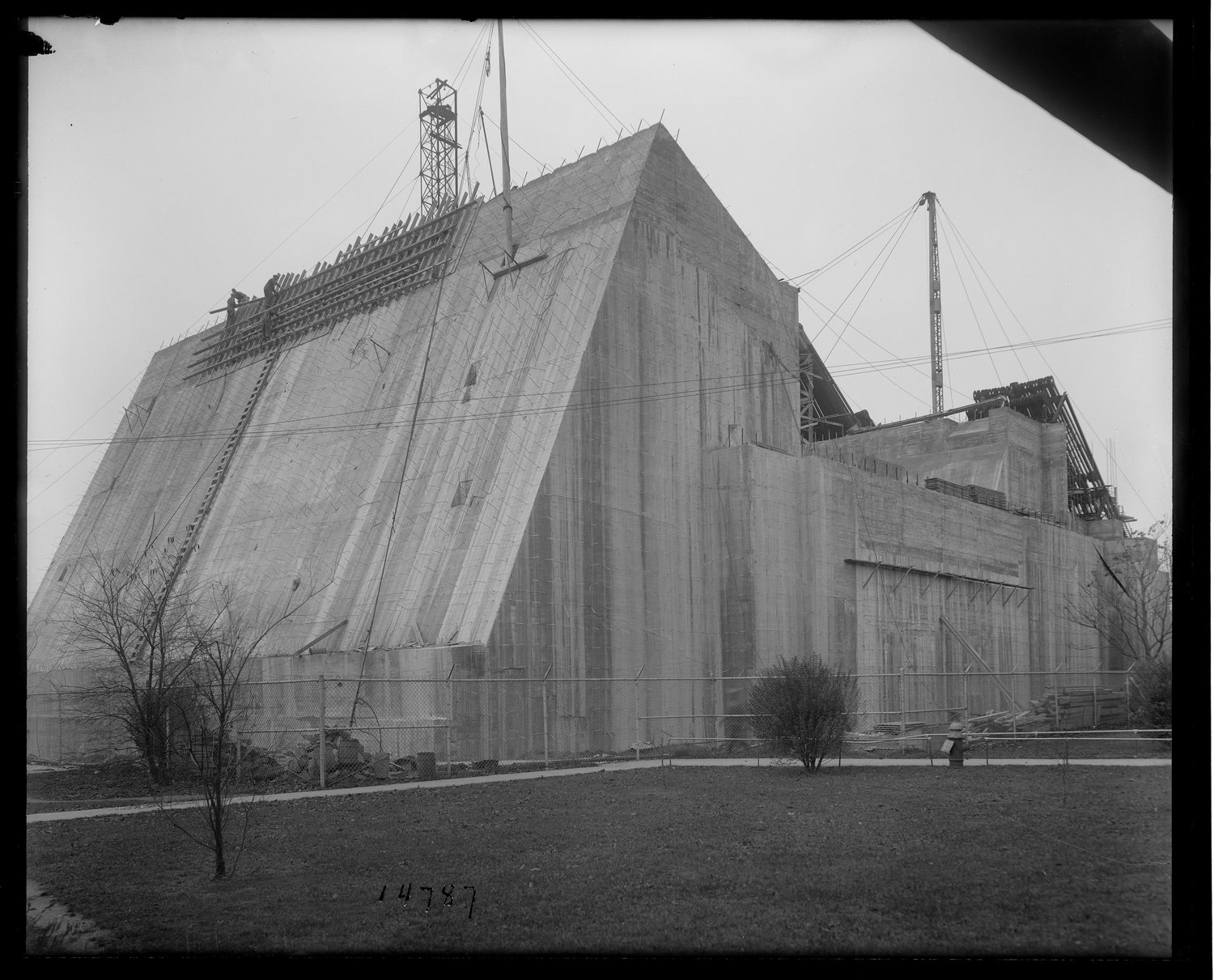
Edward Byrne’s 36 years in municipal engineering structures can be broadly divided into two phases. In the first, until 1912, Byrne oversaw the construction of significant crossings, including the Willis Avenue Bridge over the Harlem River, as well as several structures over the Dutch Kills and the old Flushing River Bridge.
The second phase of his career began in 1912 when Byrne became Deputy Chief Engineer, and from 1915, he directly served as Chief Engineer. After World War I, he led an era of intensive construction. Despite the economic hardships of the Great Depression, at least fifteen new bridges were built, ten of which were drawbridges. Thanks to Byrne, the capacity of the Manhattan and Queensboro Bridges significantly increased—he initiated the construction of additional traffic lanes on their upper decks. His name is forever etched in the history of New York City engineering—as a symbol of dedication, technical prowess, and a vision for the future.
The Engineer’s Most Outstanding Work: The Triborough Bridge
This project had a vast history and immense historical significance for New York City. Its development can be divided into the following periods:
- 1916-1928: The Birth of an Idea.
As early as 1916, Edward Byrne put forth an ambitious idea: to connect Manhattan, the Bronx, and Queens with a single bridge—the Triborough. He not only envisioned this bridge but developed a detailed concept: several different types of spans, a double-track railway, roadways, and pedestrian walkways. Even then, the bridge was seen as an engineering breakthrough that would ease traffic and stimulate economic development. Moreover, traffic flows were constantly increasing: between 1916 and 1922 alone, the number of cars crossing the Queensboro Bridge daily increased from 9,800 to nearly 15,000. And inter-borough ferry services remained too slow and overloaded.
- 1927-1929: The Project Gathers Momentum.
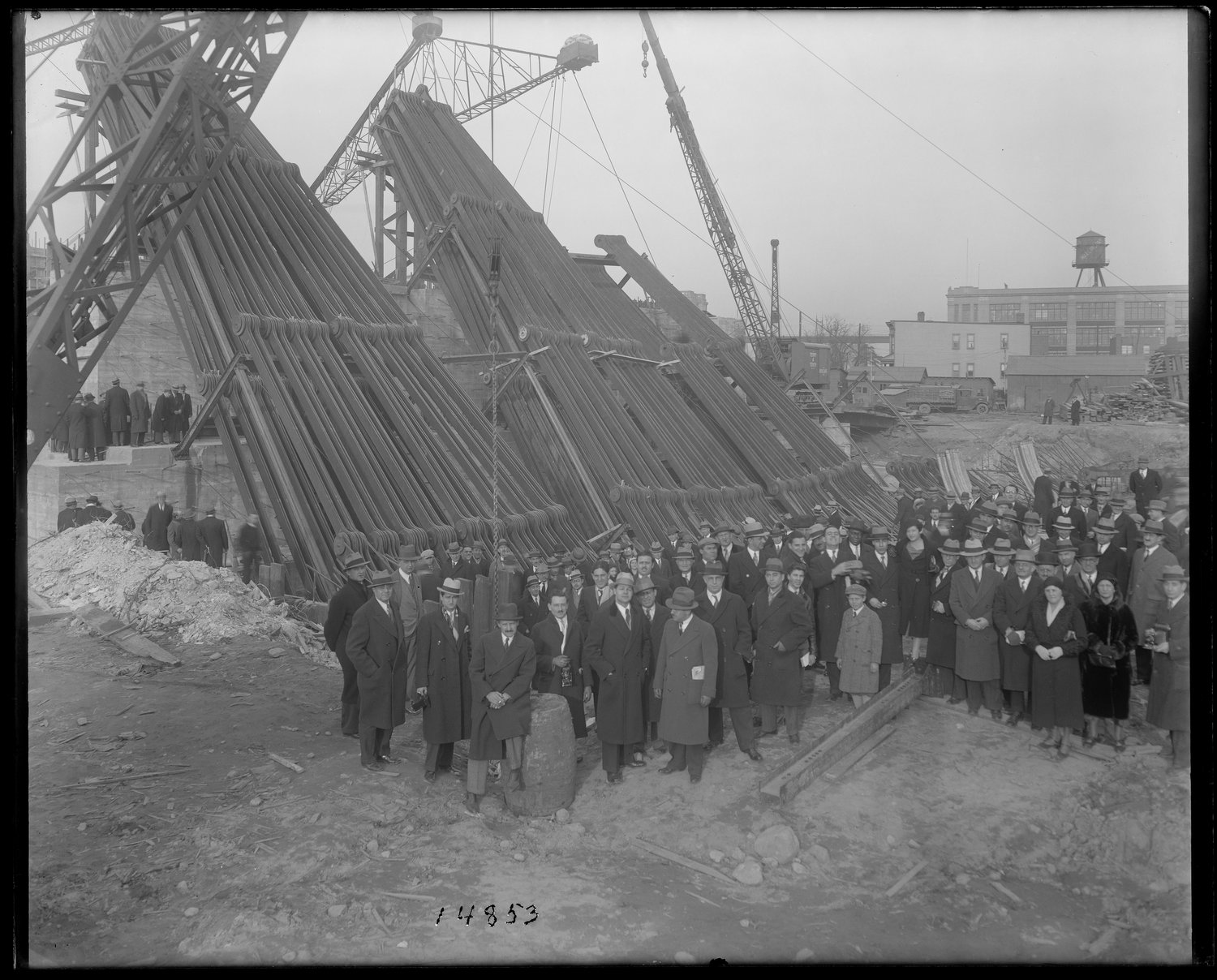
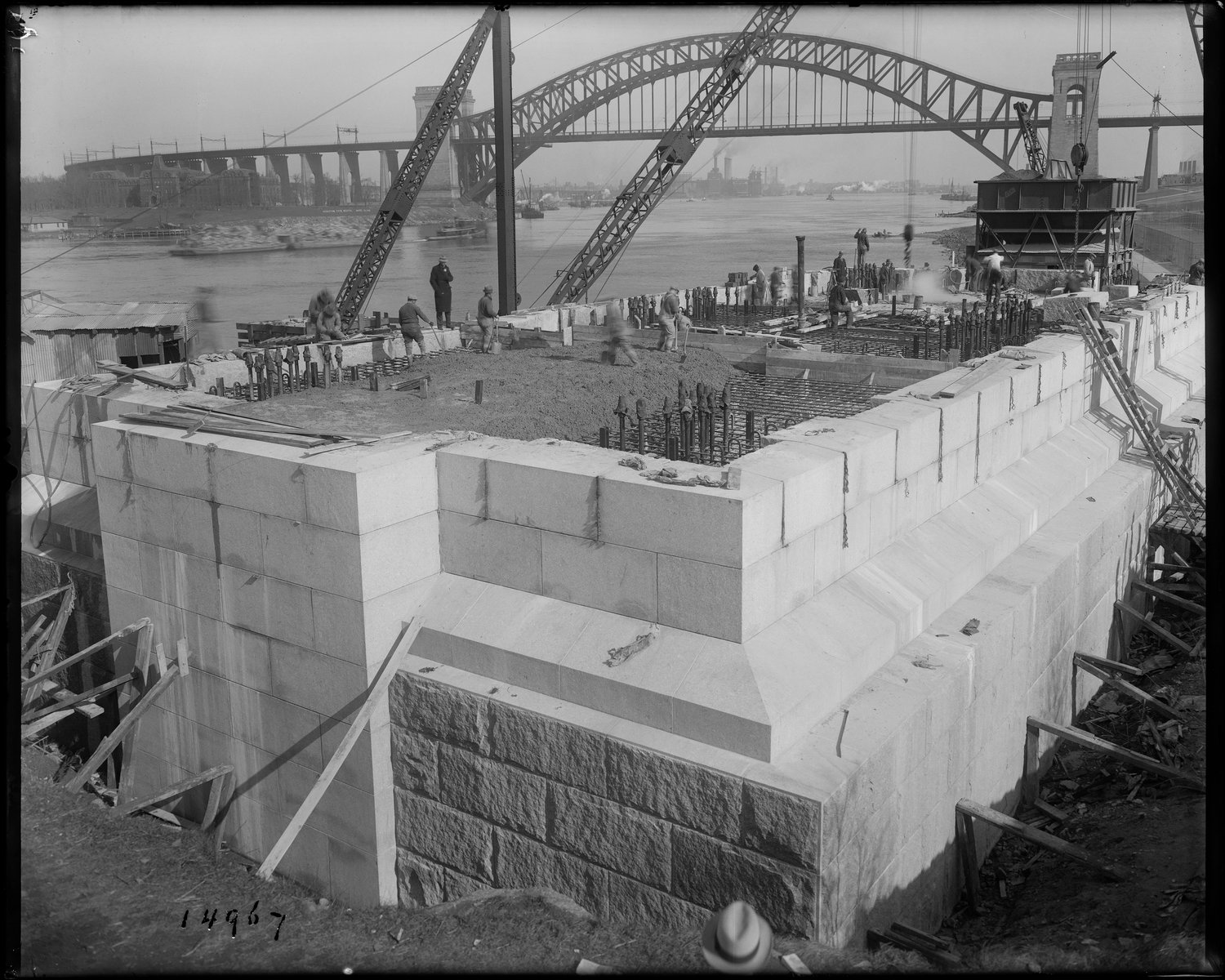
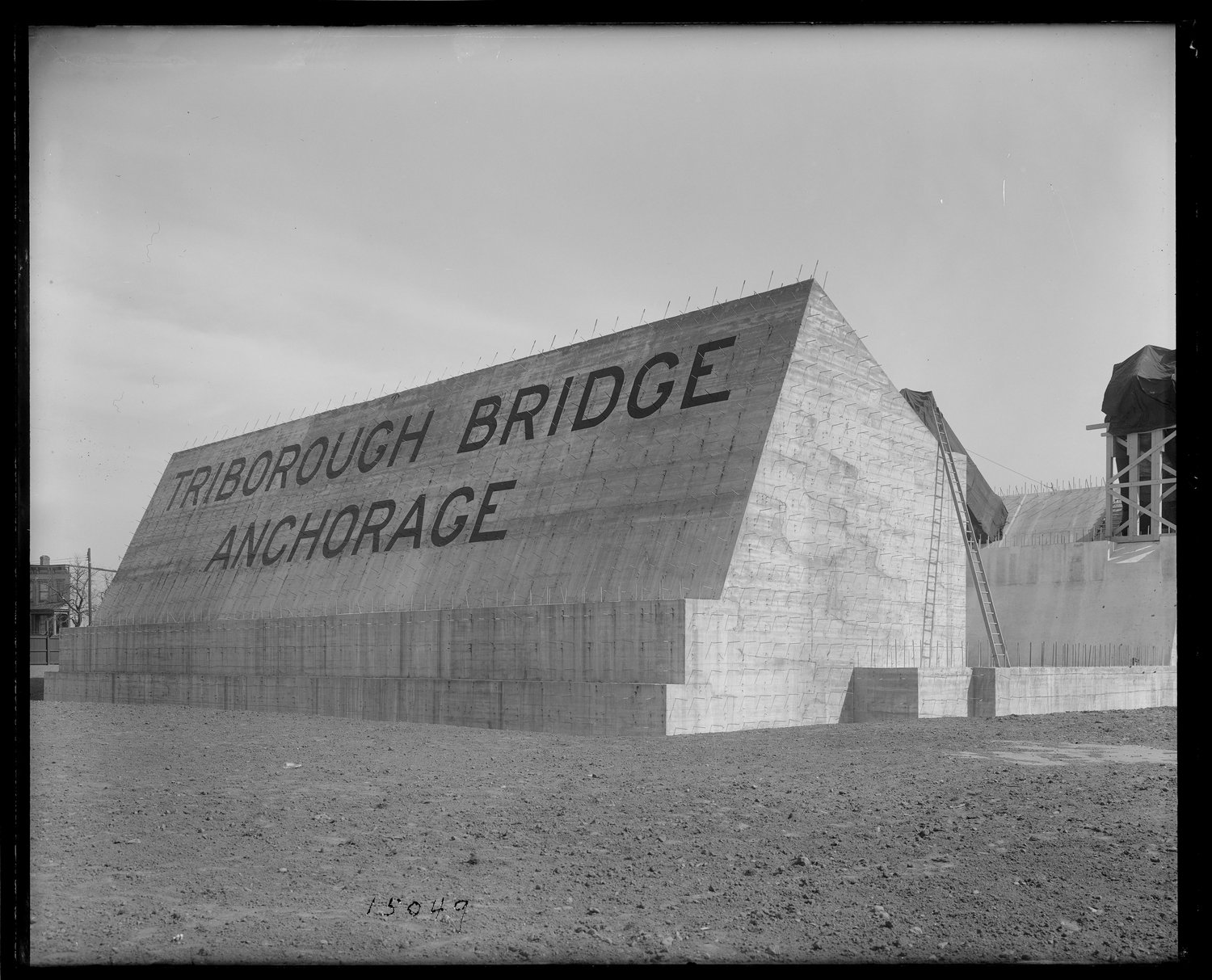
In 1927, the city finally allocated $150,000 for preliminary studies and drilling for the future bridge. By 1929, design approval was obtained, and $3 million was allocated by the Board of Estimate to begin construction. That same year, under Byrne’s leadership as the Chief Engineer of the DPS, real engineering work commenced: laying foundations and anchorages. The groundbreaking ceremony took place on October 25, 1929, at Astoria Park—symbolically on the day of Black Friday, which marked the beginning of the Great Depression. An era of great change began with enthusiasm, but the economic crisis was already approaching.
- 1930-1933: Construction Halts.
Although work initially progressed actively, it stalled by 1930. The city plunged into a deep financial crisis; jobs were cut, and plans were frozen. By March 1933, when Franklin Roosevelt became president, the situation was critical, with 13 million unemployed across the country. In response, Roosevelt initiated the massive “New Deal” program, and with it, the launch of the Public Works Administration (PWA), which allocated $44 million for the Triborough Bridge.
- 1933-1934: Early Steps of the TBA.
In November 1933, when the Triborough Bridge Authority (TBA) was created, Byrne was appointed its first chief engineer. He considered this bridge the culmination of his entire career. However, in February 1934, after the new mayor Fiorello LaGuardia took office, Byrne was forced to resign due to political reform and administrative restructuring. Although he did not complete the project, the credit for initiating the construction of the Triborough Bridge unquestionably belongs to him. In 1934, Robert Moses became the de facto head of the TBA. He secured funding: $9 million in grants and $35 million in loans. The city, the country, and the economy were back in action. Hundreds of contractors and thousands of workers from various states joined the project. At peak times, up to 3,000 people were involved in the construction.
- July 11, 1936: Grand Opening.
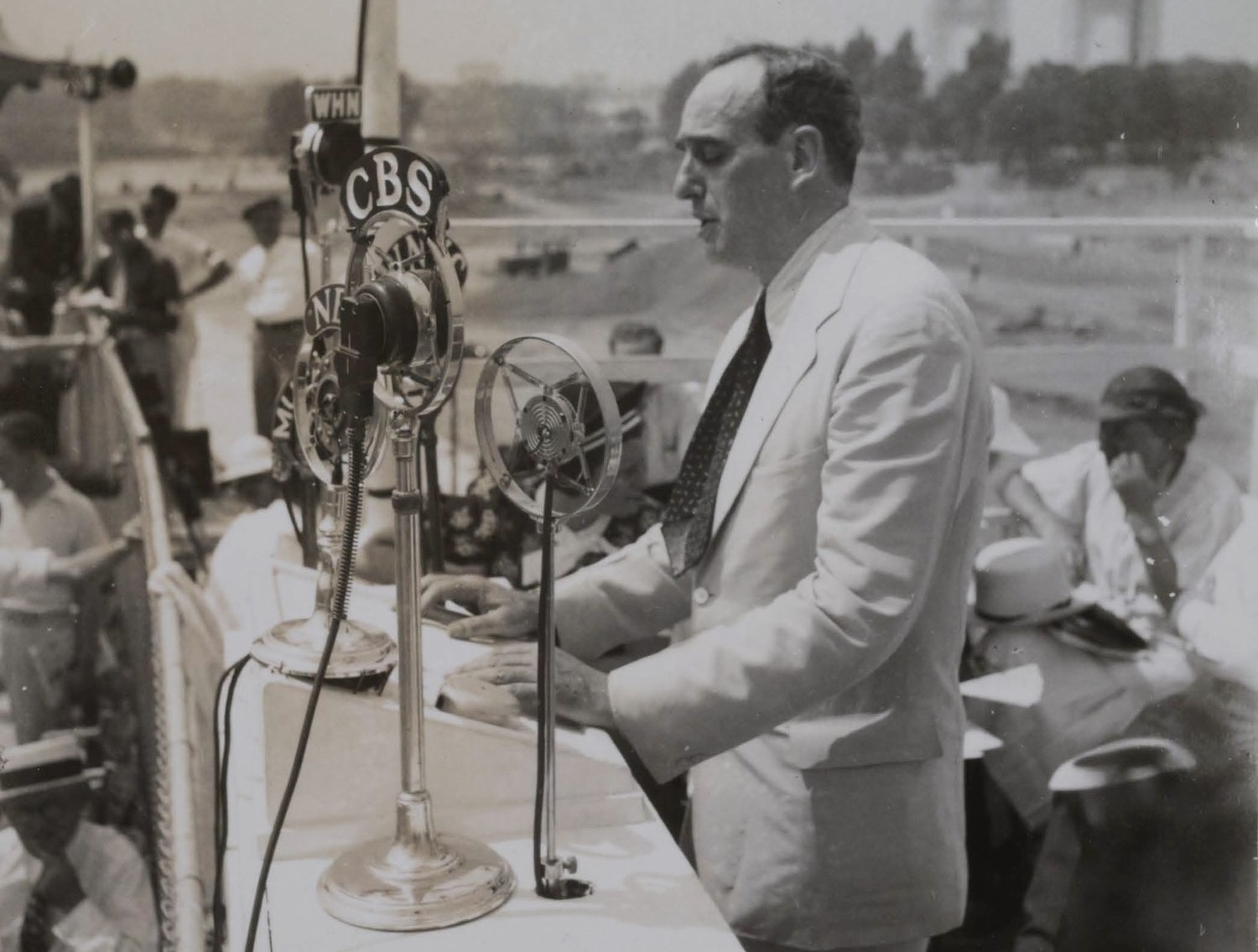
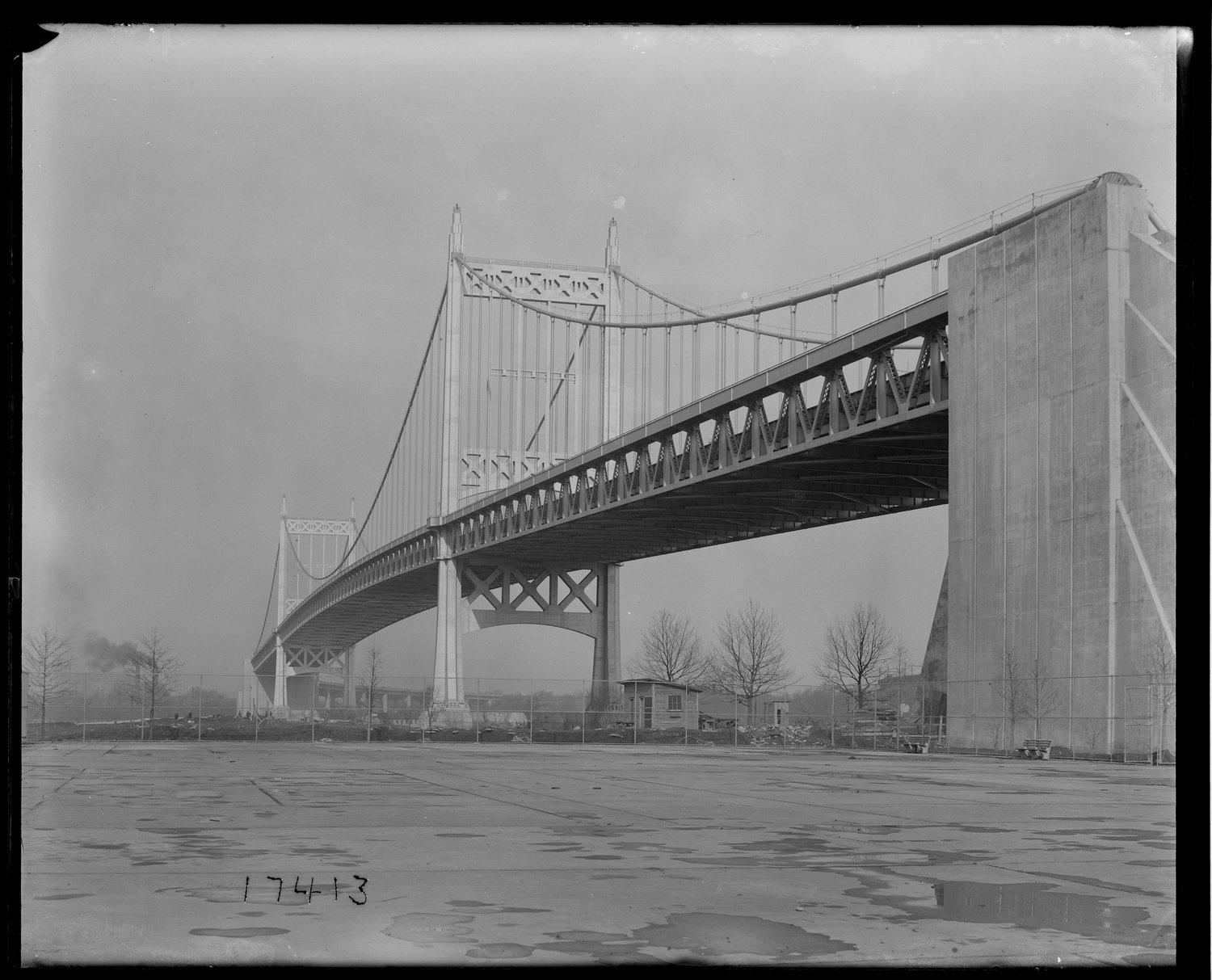
In July 1936, after seven years of work, the Triborough Bridge finally opened. In the presence of President Roosevelt, Mayor LaGuardia, and 15,000 New Yorkers, the bridge was officially put into service. In his speech, LaGuardia emphasized:
“What could be more symbolic of our modern efforts than a bridge? Are we not striving to overcome our present problems? Is this not a monument to the determination of the American people today and a reminder of the mistakes of the past?”
Although Edward Byrne did not live to see the bridge’s completion, his role in conceiving, planning, and initiating the construction of the Triborough was crucial. He was the first to envision the possibility of uniting the three boroughs of the metropolis with a single artery. His vision, perseverance, and technical skill left a profound mark on the history of New York’s infrastructural development.
Other Projects and Personal Life
Edward Byrne’s work wasn’t limited to bridges; he was deeply invested in the development of urban transportation arteries as well. His team also designed and built incinerator plants and other large-scale facilities for various city departments. Another example of his foresight was the idea of constructing a vehicular tunnel that would connect the southern tip of Manhattan (Battery Park) to Hamilton Avenue in Brooklyn, passing through Governors Island. Byrne prepared the initial plans for this ambitious project, which gained significant public attention by 1939.
Furthermore, as early as 1929, he developed preliminary plans and cost estimates for building a vehicular tunnel under the East River—from 38th Street in Manhattan to Queens. And while these tunnels never became his completed works, the initiatives themselves demonstrate the extraordinary depth of his thinking in urban planning.
In 1902, Byrne married Elizabeth Mary Dillon. Their happiness was short-lived; in 1912, his wife passed away, leaving him to raise two young sons. Byrne never remarried, dedicating himself entirely to their upbringing.
In his free time, Edward thoroughly enjoyed attending the theater, especially musical comedies, and was also a passionate football fan. During his sons’ studies at the University of Notre Dame in Indiana, he never missed a single game of their favorite team.
On December 6, 1938, Edward Byrne passed away in Rye, New York, at his son’s home. He was buried in Calvary Cemetery in Queens, and symbolically, his final journey passed over the Triborough Bridge, a project to which he had dedicated so many years of his life.