

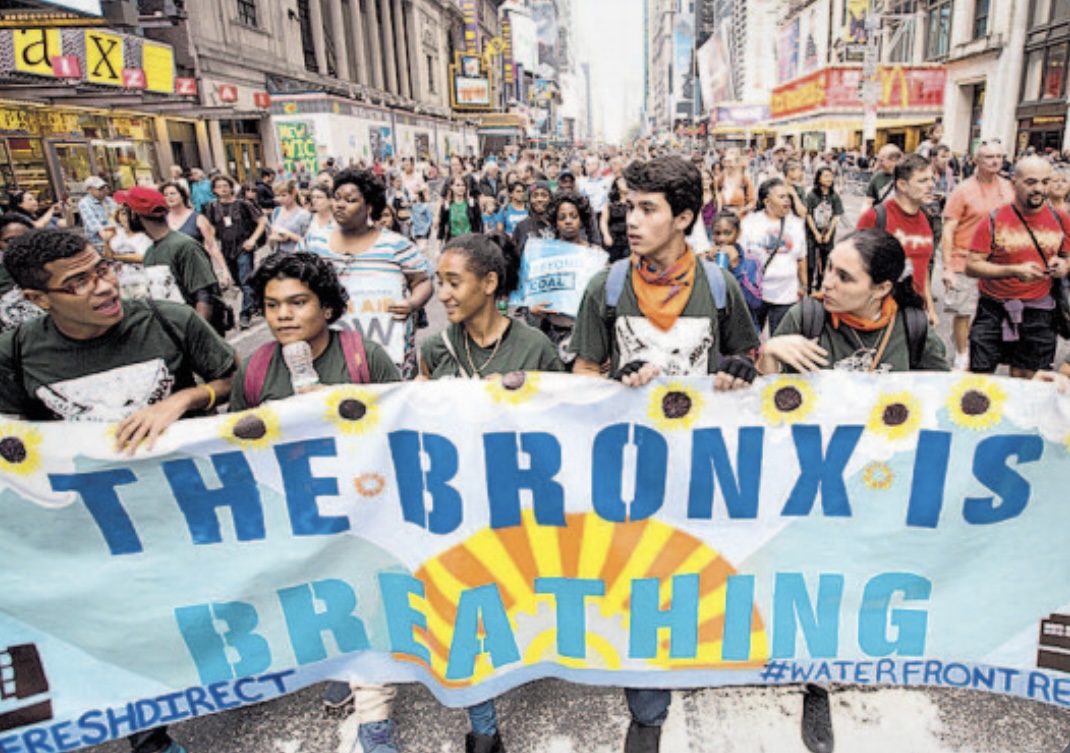
The South Bronx is a particularly sensitive topic for environmentalists across New York City. Far too many polluting industries, warehouses, and transportation hubs are concentrated here. The problem of air and environmental pollution in certain areas has reached a critical point. One significant effort to address this crisis is The Bronx is Breathing program. This ambitious environmental project aims to reduce air pollution and create green jobs in the Hunts Point area, which is one of New York City’s largest food distribution centers. Its goal is to transform old industrial zones into the infrastructure of the future. Learn more about the main directions of this initiative and the involvement of activists and politicians on bronx.name.
Hunts Point: An Epicenter of Environmental Crisis in the South Bronx
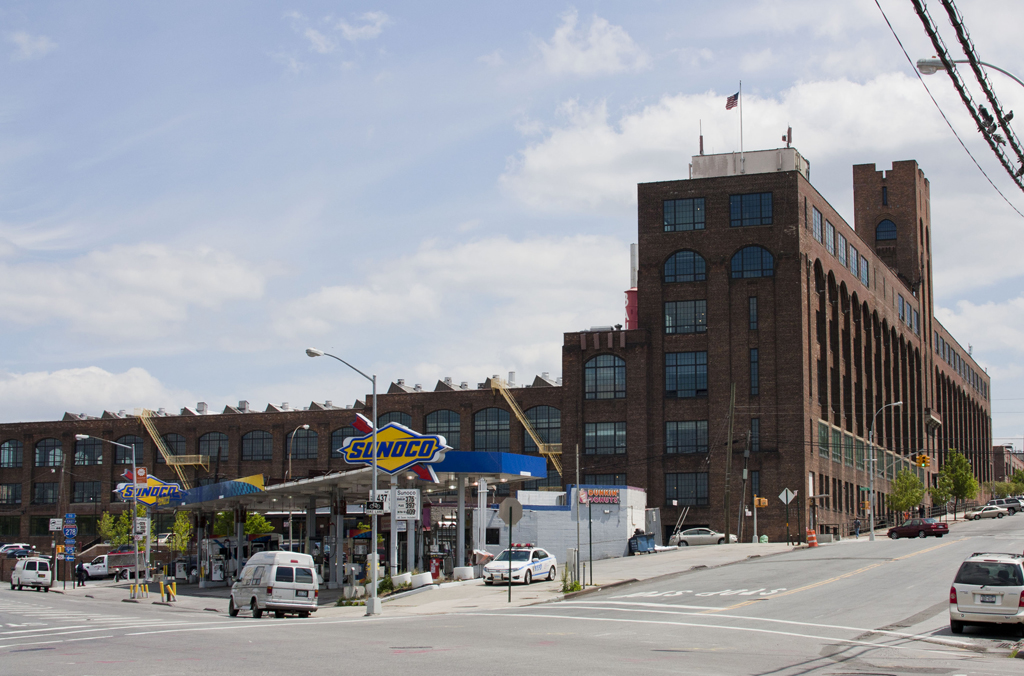
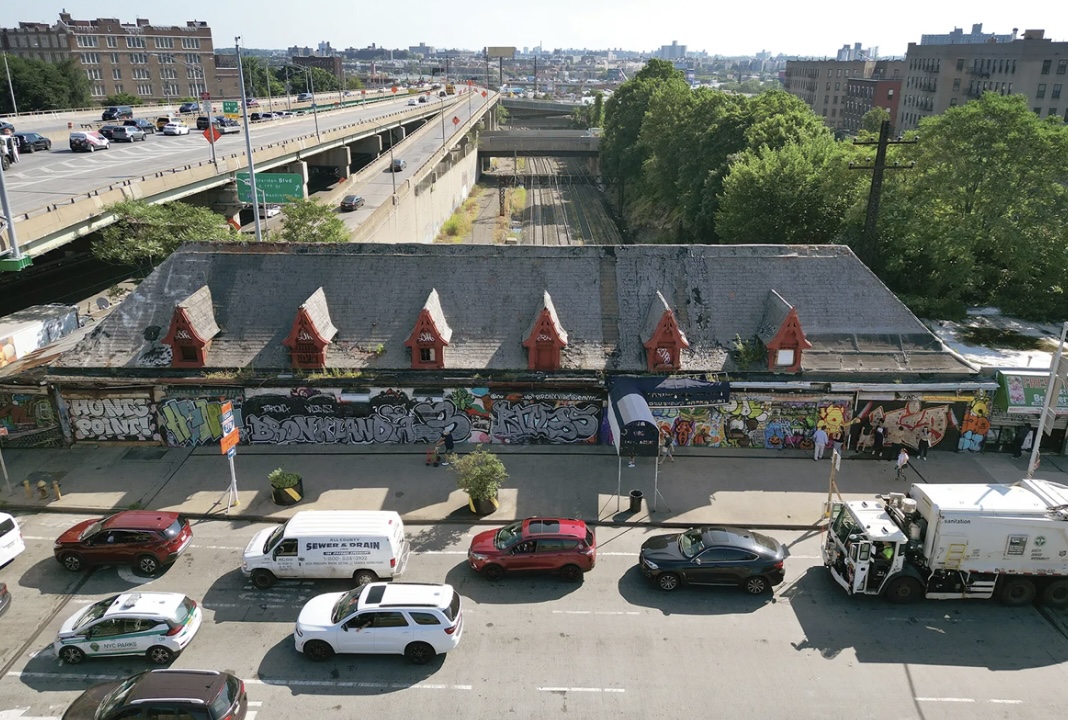
The South Bronx, particularly the Hunts Point area, is one of New York City’s primary logistical hubs. Over 15,000 trucks pass through here daily, as it hosts the nation’s largest wholesale food market, supplying a quarter of all the city’s food. This constant flow of traffic leads to significant air pollution. Due to high concentrations of fine particulate matter, nitrogen oxide emissions, and other harmful substances released into the air by trucks, buses, and construction equipment, the rate of childhood asthma in Hunts Point and neighboring Mott Haven is nearly 2.5 times higher than the New York City average.
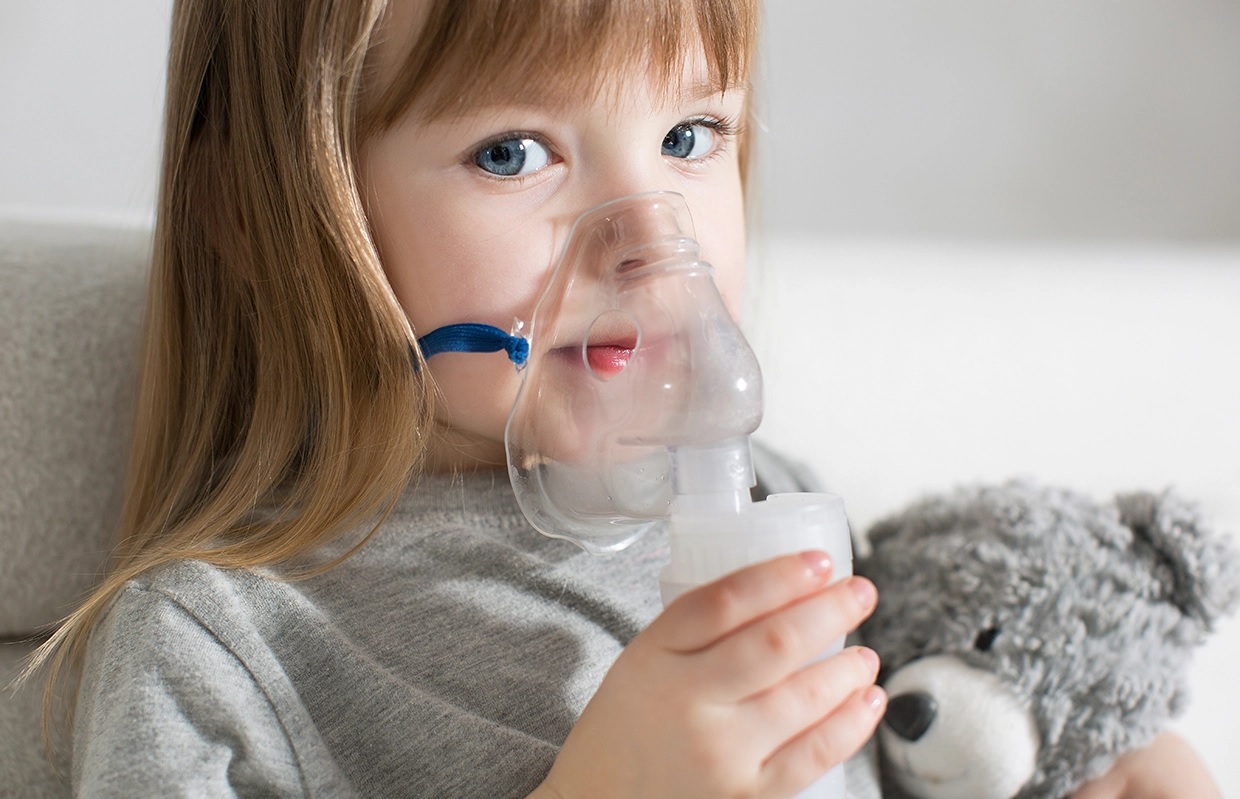
The Bronx, as a whole, has the highest asthma mortality rate among all counties in the state. For every million residents, there are 43.5 asthma-related deaths, compared to the statewide average of 13.1.
Another equally important factor is waste concentration. Over 80% of all city waste processing facilities are concentrated in just three areas: the South Bronx, North Brooklyn, and Southeast Queens. More than 21,000 tons of residential and commercial waste pass through these areas daily. Nearly a third of all New York City’s waste is processed in the South Bronx, from where it’s then transported by truck or rail to landfills.
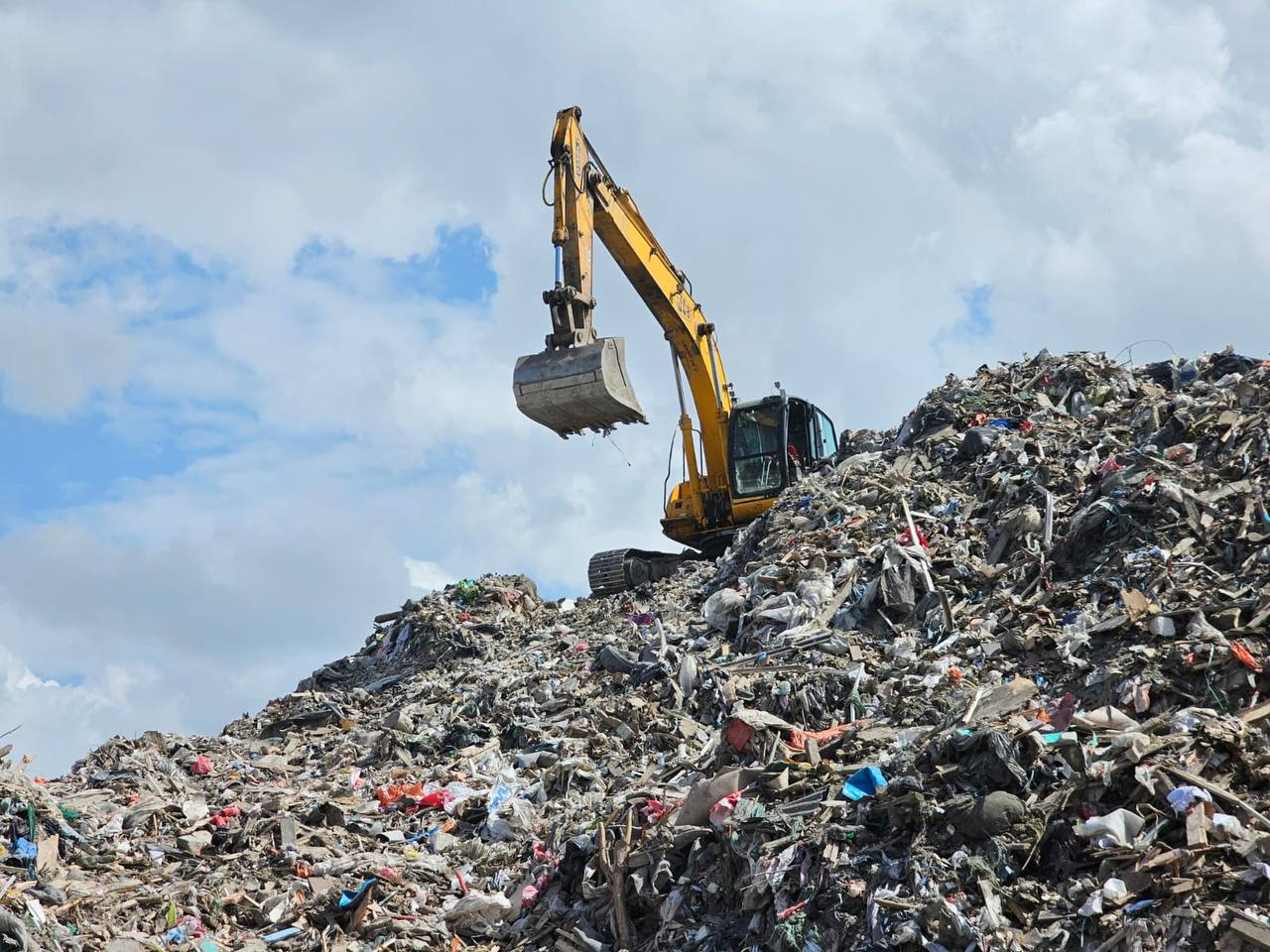
During public hearings on this issue, City Council Member Antonio Reynoso, who chairs the Sanitation Committee, emphasized that the uneven distribution of waste processing infrastructure causes significant harm to low-income and minority communities. He called it a classic example of “two cities within one New York,” referring to the deep social and environmental inequality.
The Bronx is Breathing Project Initiative
In November 2022, The Bronx is Breathing project received the top prize in the Clean Transportation Prize competition – a $10 million grant. It was selected among the best environmental initiatives in New York State. The project’s goal is to implement clean transportation solutions in one of the most congested and environmentally vulnerable areas – Hunts Point in the South Bronx.
The initiative was developed in partnership with several local and national organizations: the Urban Health Plan, the SoBro (South Bronx Overall Economic Development Corporation) and The Point CDC. It’s being implemented with the participation of Volvo Group North America, Shell Recharge Solutions, as well as City Harvest and Drivers Cooperative. The main objectives are to reduce air pollution, electrify freight transport, and develop eco-friendly mobility for local residents.
The project also received additional funding – $1.7 million from the U.S. Department of Energy to develop a roadmap for transport electrification in Hunts Point.
Paloma Hernandez, head of Urban Health Plan, noted that their team has fought for clean air for decades: monitoring air quality, creating pollution maps, and advocating for truck route changes away from residential areas and schools. Now, thanks to this award, the community has a real chance to create a zero-emissions hub in Hunts Point.
Maria Torres, President of The Point CDC, highlighted the environmental inequality:
“While the entire city benefits from the fast delivery of fresh produce, Hunts Point suffers from the constant flow of trucks and harmful emissions.”

Key Implementation Directions
The Bronx is Breathing project aims not only to reduce harmful gases but also to engage residents in a new green economy. This is one of the first steps towards a just transformation of New York City’s freight transport.
Among the main directions of project implementation are:
- Electrification of Freight Transport.
Electric trucks are being introduced to reduce harmful emissions in the area:
- Volvo eTRUs — for food delivery and storage by City Harvest.
- Mack electric refuse trucks — from Royal Waste.
Electrification is happening in partnership with Volvo Group North America and the Hunts Point Economic Development Corporation.
- Green Cooperative Logistics (Green Jobs).
This involves creating decent-paying jobs with community ownership and participation in the clean transportation sector. A new organization, Drivers Cooperative, has emerged—a cooperative of drivers who own electric trucks.
- EV Hub (Charging Hub).
This 3.2-acre public charging station for electric trucks is the first facility of its kind in the US. It’s open to all classes of electric transport and focuses on freight transportation. There are also plans to develop local small businesses for food and beverage production within the EV hub.
- Hunts Point Electrification Roadmap.
Developed in 2023–2024 with community participation, this plan defines:
- Strategies for implementing electric transport.
- Addressing financial and technical barriers.
- Expanding access to EV infrastructure in the freight sector.
- Zero-Emission Food Delivery.
This initiative ensures eco-friendly food delivery to warehouses across the Bronx, focusing on high-asthma areas. As part of this, a fleet of BEV electric refrigerated trucks has been introduced.
Paloma Hernandez, head of the Urban Health Plan organization, stated:
“This project is a game-changer. It unites local organizations around a shared vision of justice, clean air, and economic growth. It can serve as a model for other neighborhoods.”
The Bronx is Breathing project is not just an environmental initiative; it’s a model for sustainable development that combines: public health protection, economic justice, local participation, and innovation in freight transport.
Political Involvement
While activists have long demanded changes regarding environmental issues in the South Bronx, it was only in the 2020s that this problem began to receive genuine political support.
A key step in the fight for environmental justice was a bill proposed by City Council Members Antonio Reynoso and Steve Levin. Their initiative aims to limit the proportion of waste processed in the city’s most overburdened areas, including the South Bronx, and gradually reduce it by 18%. According to Kelly Terry, a representative of a local community organization, this legislation “finally introduces the principle of fair distribution of environmental burden.”
Positive shifts are also occurring at the state level. Governor Kathy Hochul and lawmakers allocated a record $400 million to the Environmental Protection Fund in the 2022-2023 budget.
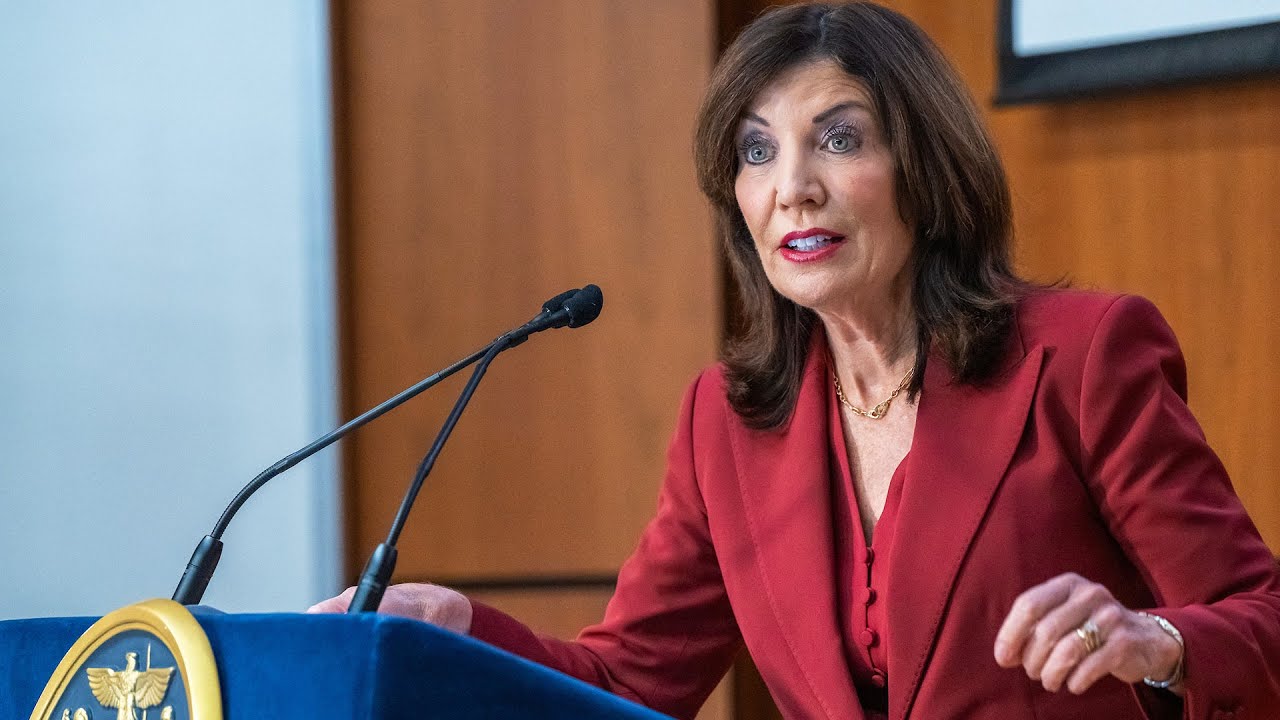
Of these funds, $3.5 million was directed to support community initiatives—specifically, three organizations from the South Bronx that each received $100,000 for pollution monitoring, greening the area, and youth engagement.
During a public event supporting these initiatives, Bronx Borough President Vanessa Gibson thanked the state administration for addressing long-ignored issues. And Basil Seggos, Commissioner of the State Department of Environmental Conservation, emphasized:
“We cannot talk about winning the fight against climate change until we solve the problems in every neighborhood—especially where 17% of children suffer from asthma.”
The culmination of state policy in this area was the approval of the $4.2 billion Environmental Bond Act in the fall of 2022. Its passage was supported by voters across the state. These funds are intended to finance projects aimed at environmental protection, climate change mitigation, and environmental justice, with a particular focus on the communities most affected by pollution—primarily the South Bronx.
Thus, the involvement of city and state politicians is gradually changing the situation: from indifference to legislative initiatives, funding, and the genuine recognition of every community’s right to clean air.