

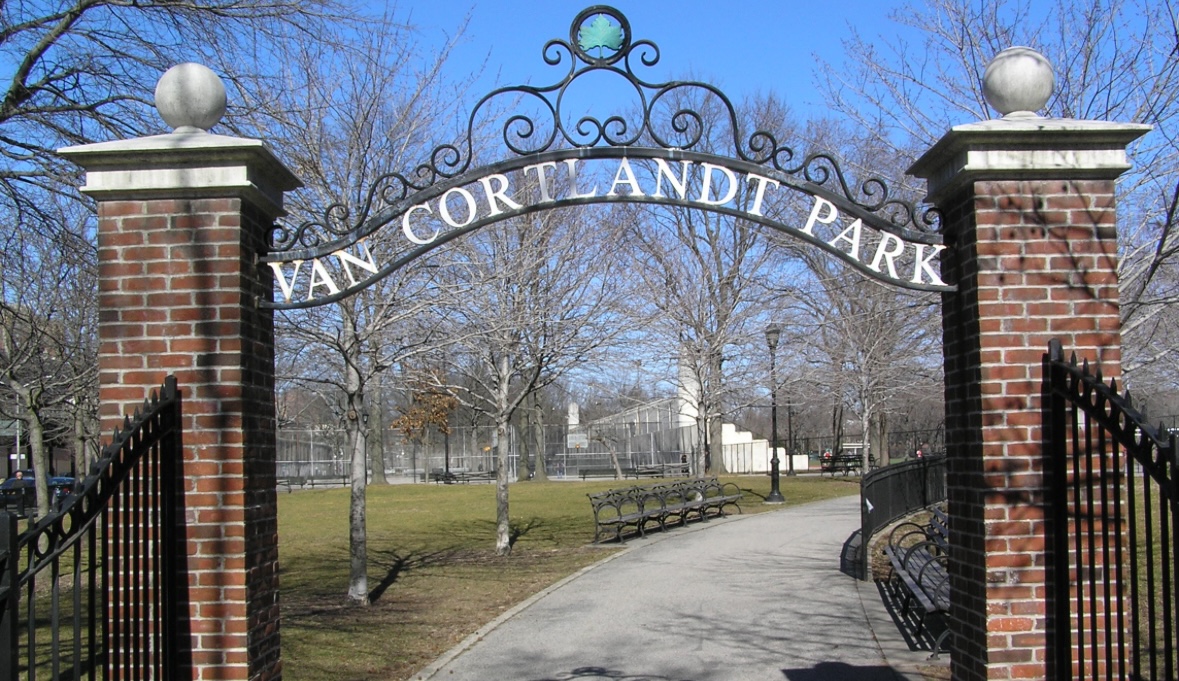
The Bronx is home to several magnificent parks, each with its own unique history. Today, we’re exploring Van Cortlandt Park, a place known for its unusual blend of historical landmarks, stunning nature, and a modern sports complex. Find out more on bronx.name.
Native Tribes, the Dutch, and the English Battle for Prime Land
Historians believe the forest on the site of modern-day Van Cortlandt Park has existed for 17,000 years. The first records of Native American settlements date back to the 14th and 15th centuries. This location was perfect for living, offering abundant natural resources for survival: plains for farming, forests for hunting, and waterways for fishing.
In the early 17th century, the Native American tribes sold the land between Spuyten Duyvil Creek and Yonkers to the West India Company. The first Dutch settler, Adriaen van der Donck, arrived in 1646. He named his new property “Colen Donck” and built a house there.
Van der Donck passed away in 1655. That same year, the local Native American population temporarily seized control of New Amsterdam during the so-called “Peach War,” forcing settlers, including van der Donck’s widow, to flee to Manhattan. Then, in 1664, the English captured these lands. In 1668, an English turner named William Betts and his son-in-law, George Tibbetts, bought a portion of the land. Tibbetts Brook was later named in his honor. The next owner of the modern-day park area was Frederick Philipse.
The Reign of the Van Cortlandt Family
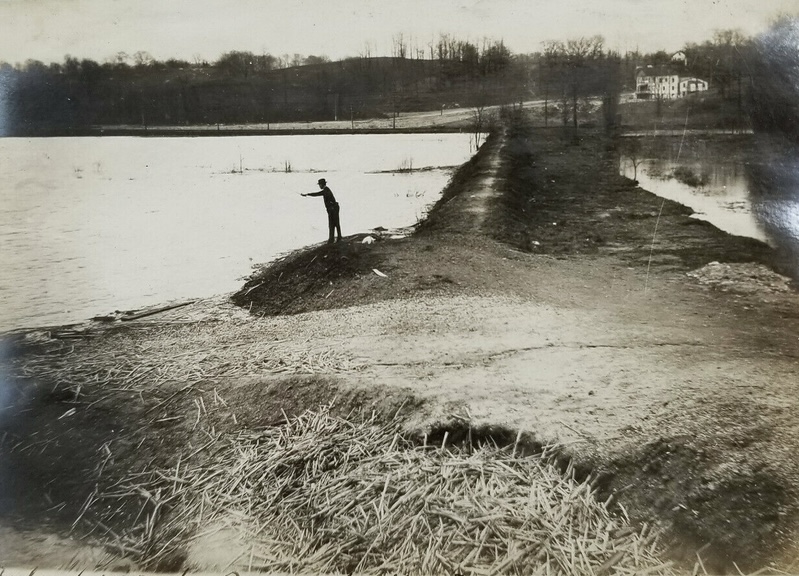
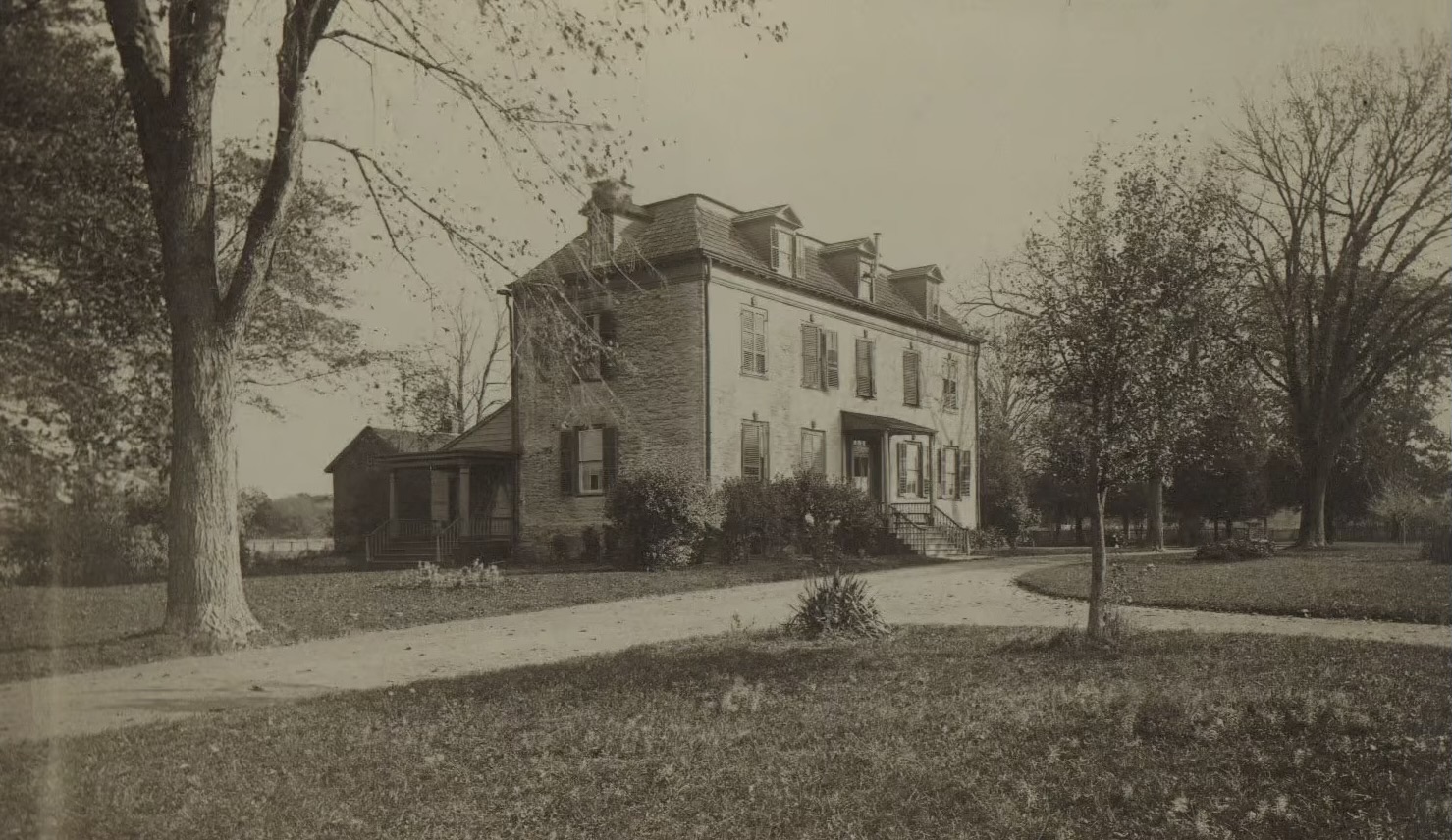
Finally, in the late 17th century, our story brings us to the person who left a significant mark on history and after whom the park, now New York’s third-largest, was named. In the mid-1690s, Van Cortlandt purchased the land from Philipse and began actively developing his new property. In 1699, he dammed Tibbetts Brook to provide power for his sawmill and, later, a gristmill on the lake. In 1732, Cortlandt acquired another plot from the Tibbetts family and created a large grain plantation. In 1739, the estate and all its lands passed to his son, Frederick, who in 1748 began construction of a large family home but died before its completion. The dynasty was continued by his son, James, who founded a family cemetery known as “Vault Hill” in 1749.
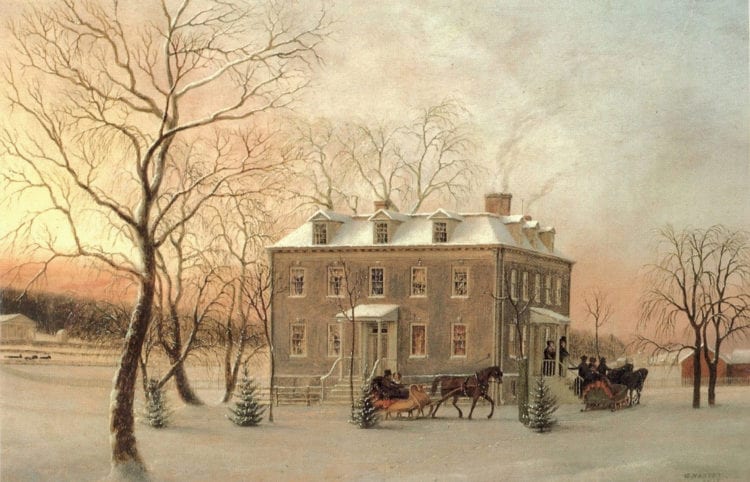
During the tumultuous revolutionary era, the Cortlandt estate was constantly at the center of events. The family’s lands were used by both Loyalists and Patriots during the American Revolution due to James’s active role at the beginning of the conflict. Initially, British General William Howe made the house his headquarters. However, the Cortlandts strived to remain neutral in the war. Later, the lands were used by the Patriots.
For a time, “Vault Hill” was even a hiding place for important papers, which Cortlandt handed over to the government after the conflict ended.
The Rocky Road to Creating the Park
The 19th century was a time of more or less stable peace and development. Everyone was tired of constant territorial disputes and focused on creating better living conditions for the population. In the 1830s, as New York City grew, it needed a larger water supply. In March 1833, Major David Bates Douglass was tasked with conducting engineering studies for the Old Croton Aqueduct. A new route was approved, stretching from the Croton River in the northern part of the state to central Manhattan. Between 3,000 and 4,000 workers were involved in the five-year project. To provide access to the aqueduct, a gatehouse was built within the area of modern-day Van Cortlandt Park.
Read about another famous river in the Bronx by following this link.
In 1876, Frederick Law Olmsted was commissioned to survey the Bronx and map out streets that would respect the local geography. He took note of the natural beauty of the Van Cortlandt estate, comparing it to Central Park, which he had designed, and recommended that the city acquire the land. In November 1881, the New York Park Association was founded. The issue of turning the old estate into a park was revisited, but the initiative had both supporters and fierce opponents who considered it irrational to spend massive funds on simple parks when other infrastructure needed them much more. Despite this, support from newspapers and influential figures helped a petition be submitted to the New York State Senate and later to the Assembly.
Ultimately, the parks were created despite objections from well-known figures like Mayor William Russell Grace and Controller Edward V. Loew. To read about other city parks created during the same period, check out these articles: Pelham Bay Park and Bronx Park.
The Birth of a New Center for Sports and Recreation in New York
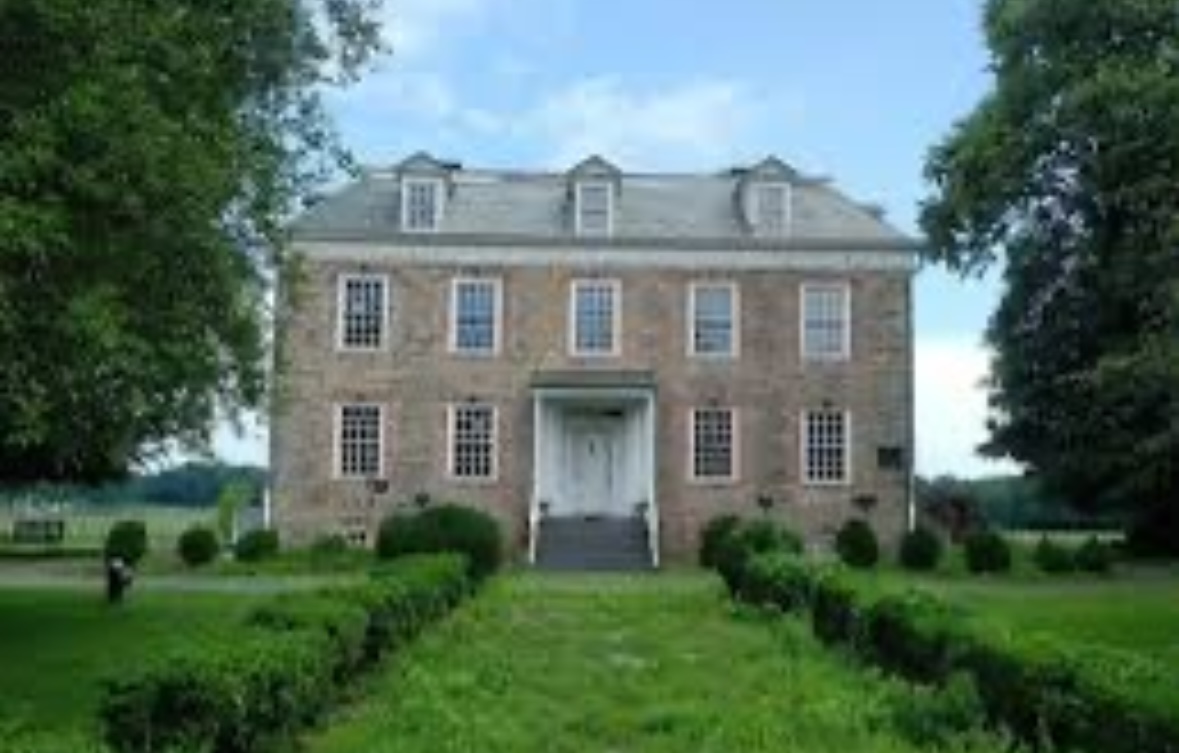
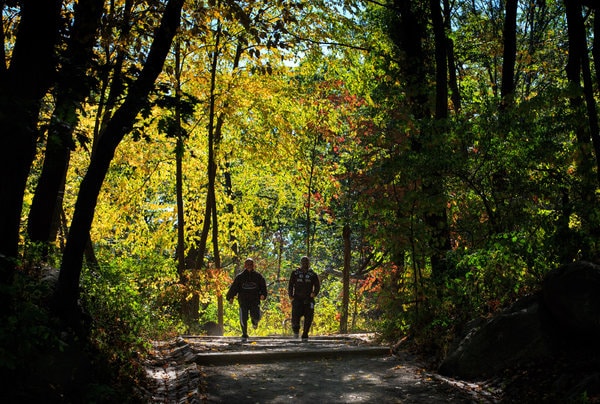
The private Van Cortlandt estate was sold to the NYC government and turned into a public park in 1888. Most of the grain fields became a large lawn called the “Parade Ground,” and the Van Cortlandt mansion became a public museum. Extensive work was done to clear brush and lay wide walking paths, including narrow trails leading to the Van Cortlandt family cemetery on the nearby bluffs.
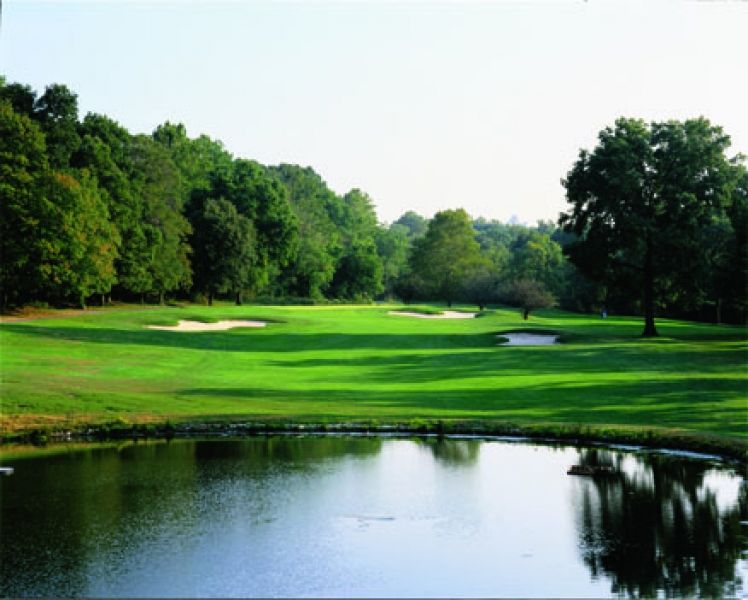
A separate part of the park’s development program was the creation of sports zones on the Parade Ground. The Van Cortlandt Golf Course, which became the first and oldest public golf course in the U.S., opened on July 6, 1895.
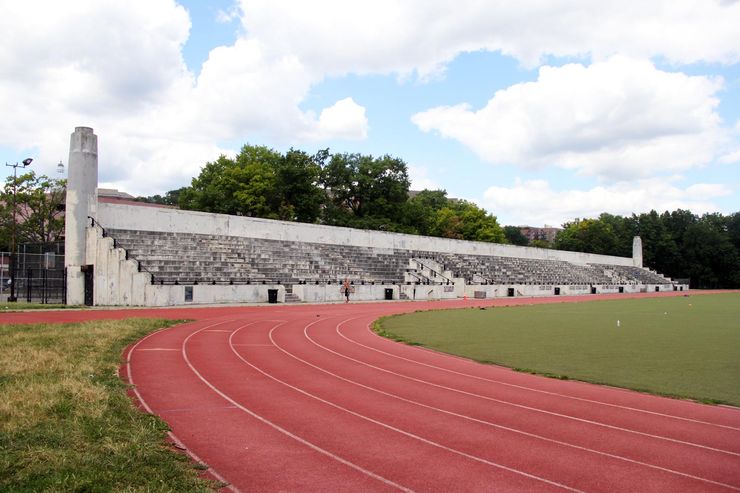
Initially, the park wasn’t used much for sports. In the first year, only a few permits were issued for tennis, baseball, and football. The Parade Ground began to be used fully in 1902 when polo fields were added. Today, the park has a huge variety of sports facilities equipped with modern technology and standards. In addition to those mentioned above, there are dedicated areas for basketball, softball, track and field, swimming, cricket, rugby, and horseback riding, among others.
The aesthetic aspects of the new park were overseen by garden project managers. A beautiful “Colonial Garden” was created near the mansion, with fertile soil and rare tree species specially imported for it. The garden was designed by Samuel Parsons. Construction began in 1902 and it opened in June of the following year. However, it was later discovered that the quality of the “Colonial Garden’s” construction was poor, which made maintenance difficult. All the structures had to be raised by 1.1 meters. The wooden walkways were replaced with stone ones. Many plants died during this process, as the reconstruction was delayed for two years due to a lack of funding.
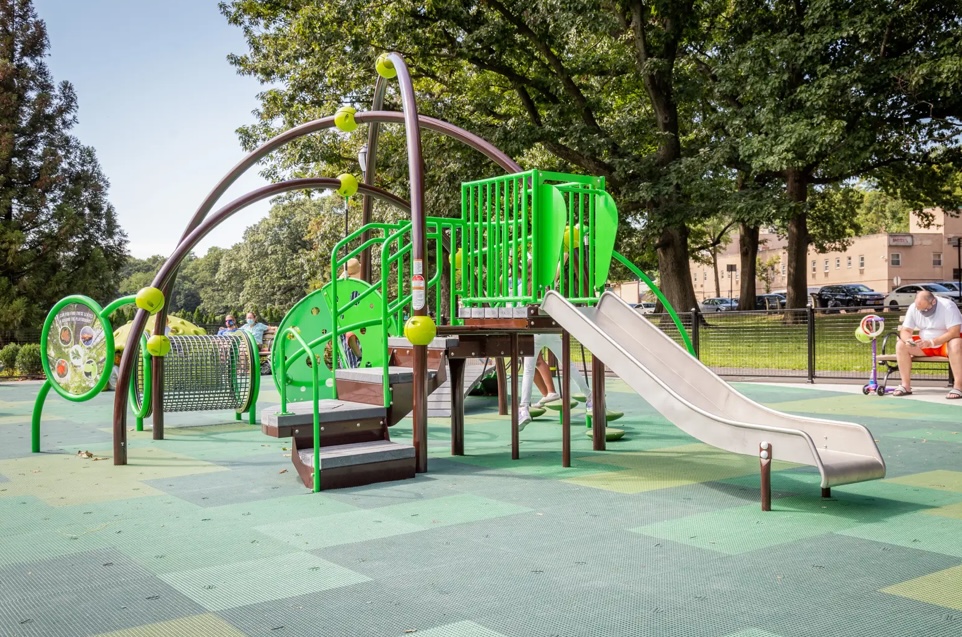
Today, the park attracts thousands of visitors daily. It’s a true paradise for athletes, as the variety and quality of the sports facilities are impressive. The park has many walking trails, several playgrounds, and all the necessary infrastructure.
The park is especially busy in the spring and summer. New Yorkers and visitors alike come to the park for the cool relief found in its abundant forest and near the largest freshwater lake in the Bronx.
History buffs will also surely enjoy visiting the oldest surviving building in the Bronx (the Van Cortlandt House) and the oldest public golf course in the U.S.