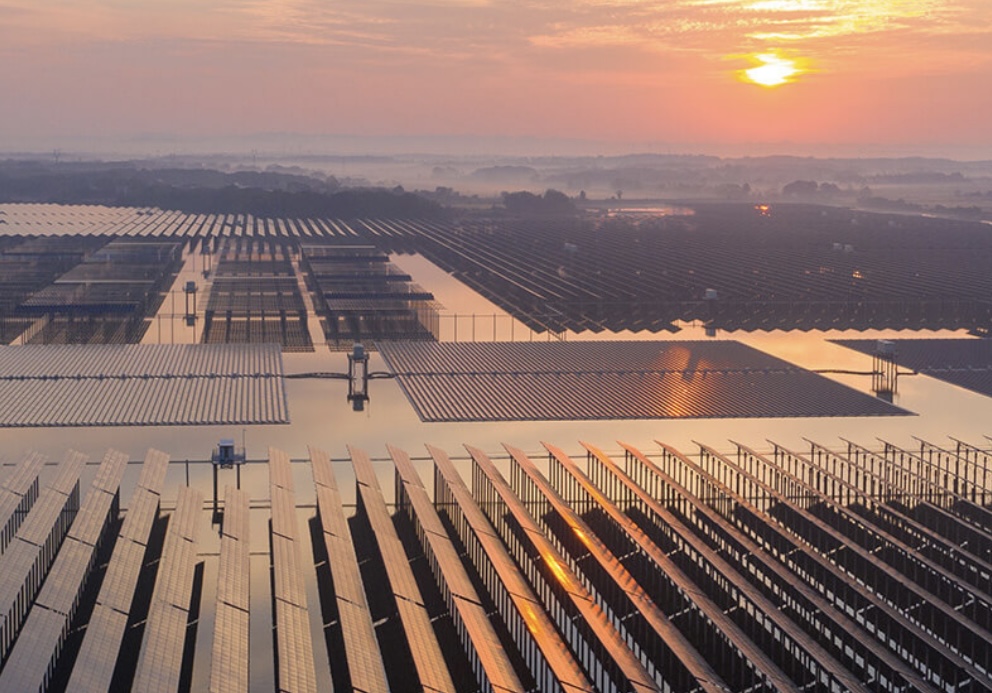
The energy crisis and growing climate concerns are forcing us to find new ways to diversify and decarbonize our energy systems. A growing number of new companies are focused on accelerating the transition to clean, renewable energy. One of them is Catalyze. In this article, bronx.name explains the company’s work and its large-scale projects in New York, particularly in the Bronx.
Renewable Energy: Trends in the U.S.
There are several types of renewable energy:
- solar energy;
- wind energy;
- hydropower;
- biomass;
- tidal energy;
- geothermal energy.
According to a report from the U.S. Energy Information Administration (EIA), 2024 saw a significant increase in electricity generation from renewable sources. In the first three quarters of 2024 alone, renewable energy production grew by 9% compared to 2023. The main sources remain solar and wind energy, whose share of total generation is constantly growing.
Solar energy production increased by 25.9% compared to the first quarter of 2023. In the utility sector, solar power grew by 30.1%, providing over 7% of total U.S. electricity in 2024. The installation of solar panels on rooftops also increased by 16.2%, making up 2% of the country’s total electricity.
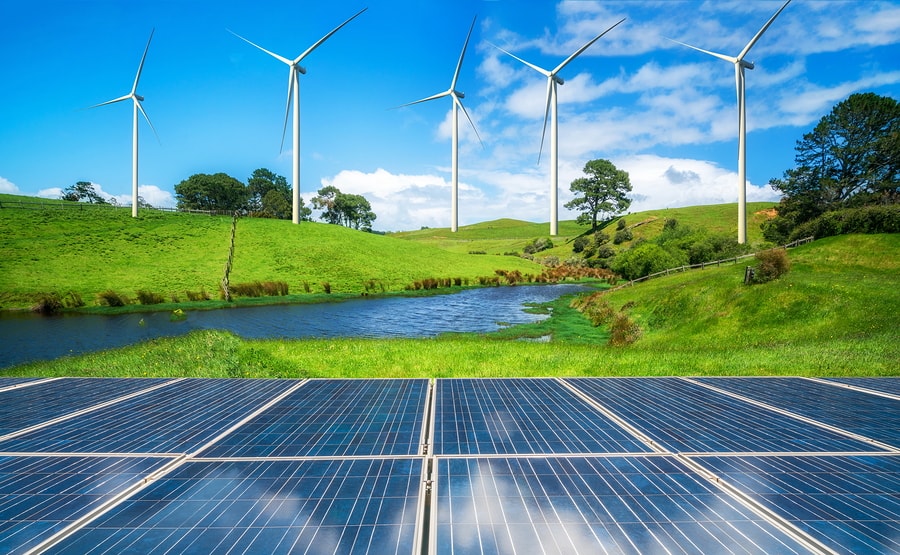
Wind farms increased production by 6.6% in 2024 compared to the previous year, with wind energy remaining the leader among renewable sources, accounting for 9.9% of total U.S. electricity generation. For example, in September 2024, wind power generated 73.5% more electricity than hydropower.
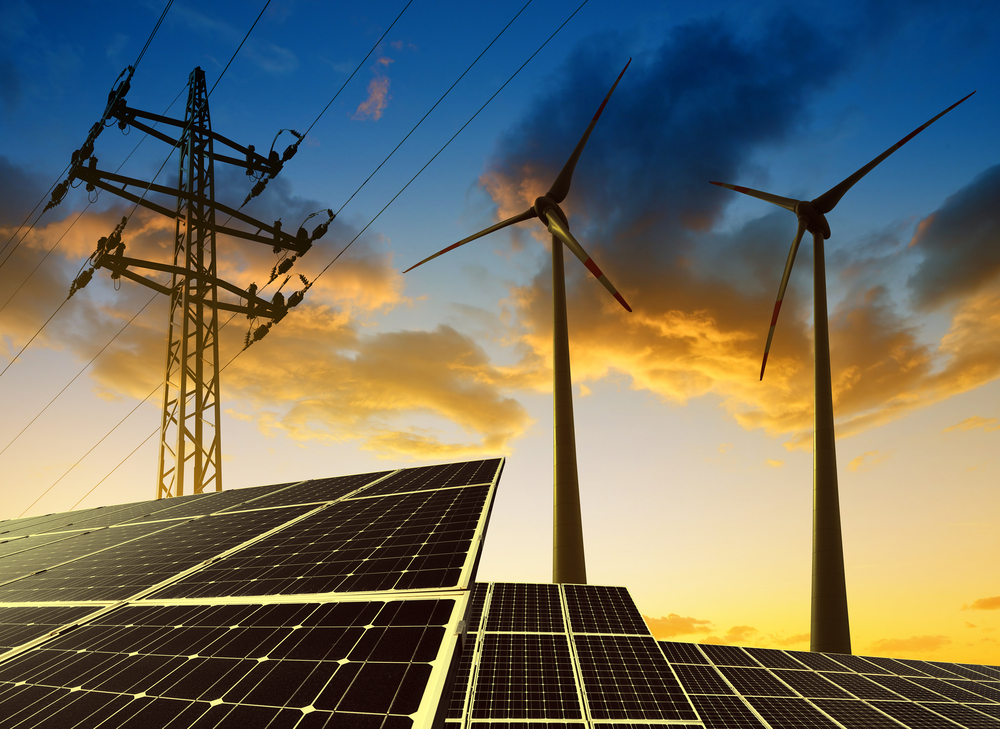
Trends in U.S. energy production show that solar and wind power together generated 14.5% more electricity than coal and are nearly on par with nuclear energy in terms of production share (17% vs. 17.6%). In 2024, the volume of electricity generated by solar and wind power significantly exceeded that of hydropower, growing by 29% and 30%, respectively.
A few interesting facts:
- When solar panels are decommissioned, up to 90-97% of their materials—including aluminum, copper, and glass—can be recycled and reused, including for making new panels.
- Some solar panel models made back in the 1980s are still in operation.
- Because they have no moving parts, solar panels rarely fail due to mechanical wear.
- Over the last 10 years, the number of solar energy jobs in the U.S. has grown by 167%, which is five times the overall national employment growth rate.
- According to the U.S. Bureau of Labor Statistics, the solar panel installer profession has one of the highest growth forecasts, with an expected increase of 27%.
- Almost 40% of all solar energy in the U.S. is produced in California—one of the sunniest states, according to data from the World Bank’s Global Solar Atlas.
- Placing solar panels over an area of 22,000 square miles (roughly the size of Lake Michigan) would provide enough electricity for the entire U.S.
- In the last six years, solar energy in the U.S. has more than tripled.
- It’s expected that by 2030, one in seven American homeowners will have solar panels on their roofs.
- 55% of Americans say they would consider installing solar panels if the investment could be recouped within five years.
Catalyze: The Company and Its Mission
One of the major American companies in the renewable energy sector is Catalyze, which was founded in 2017. Its goal is to simplify and profitably integrate smart energy resources into new and existing infrastructure.
Catalyze has two patented technologies:
- REenergyze — a software integration platform that facilitates faster and more scalable deployment of commercial and industrial solar and energy storage systems;
- SolarStrap — a solar panel mounting technology for rooftops.
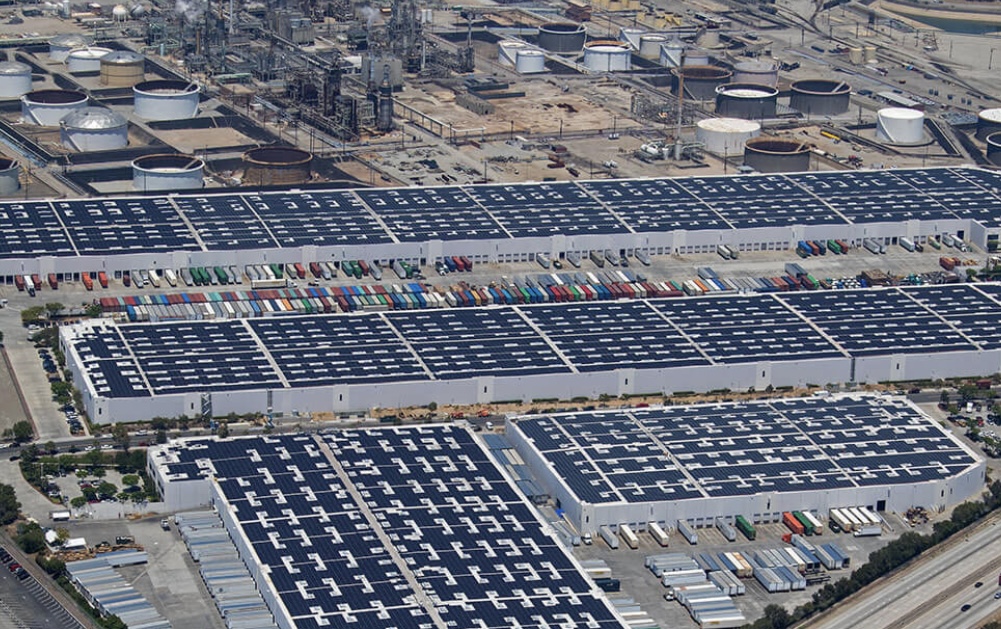
Catalyze automates and optimizes all key stages of creating, developing, building, operating, and optimizing solar power projects, energy storage systems, and electric vehicle (EV) infrastructure. The company does this not for small households, but on the scale of large commercial and industrial properties, as well as municipal and regional governments.
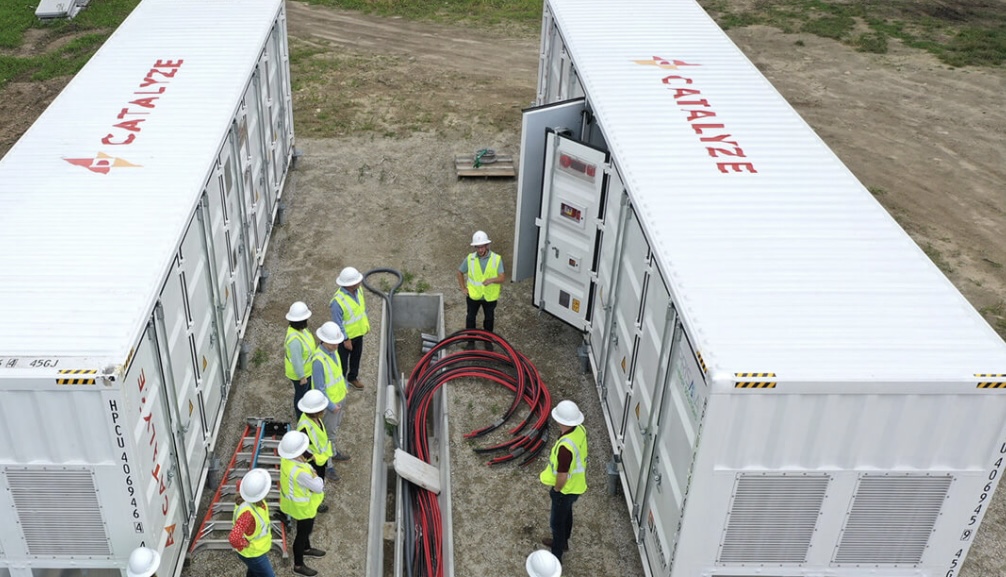
The REenergyze platform performs in-depth analysis to identify properties with the highest potential for installing solar panels, batteries, and EV charging stations. All of the company’s partners have access to the REenergyze platform to actively evaluate opportunities, monitor project progress, and gather operational data.
Transforming our energy infrastructure is crucial for creating a sustainable future. The implementation of new renewable energy sources promotes environmental stability and increases social responsibility.
By integrating renewable energy systems into commercial and industrial facilities, Catalyze helps reduce greenhouse gas emissions and ensures a positive environmental impact.
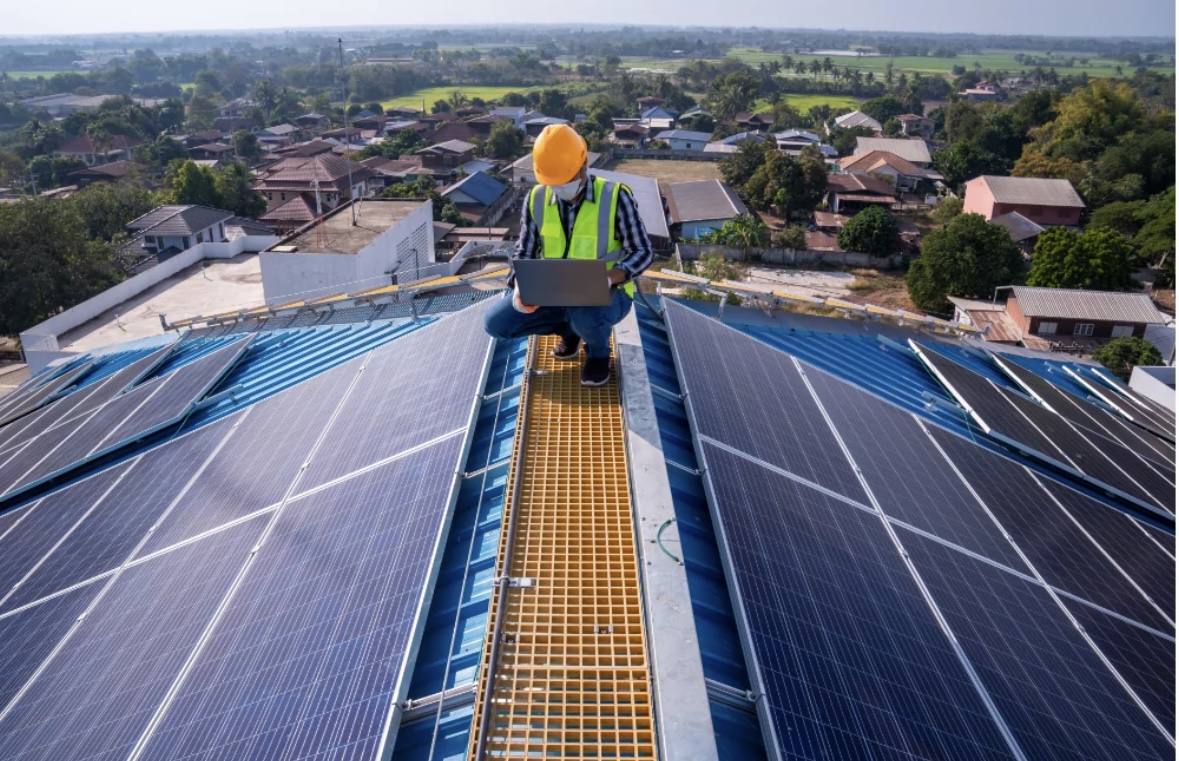
New York: A Key Area for Collaboration
New York is a huge city with a complex socioeconomic structure. The large number of energy consumers, uneven distribution of generation capacity, a host of environmental problems, and active development within individual communities all make the city an ideal place for implementing clean, renewable energy transition technologies.
In May 2024, NY Green Bank announced it would provide Catalyze with $100 million to finance the development and construction of 79 MW of community solar projects in low-income communities, supporting New York State’s decarbonization goals.
This agreement aligns with NY Green Bank’s commitment to an equitable energy transition, requiring that a significant portion of the solar projects’ users belong to disadvantaged communities. It will also help achieve the goals of the New York State Climate Leadership and Community Protection Act, which calls for 10 gigawatts (GW) of distributed solar energy by 2030.
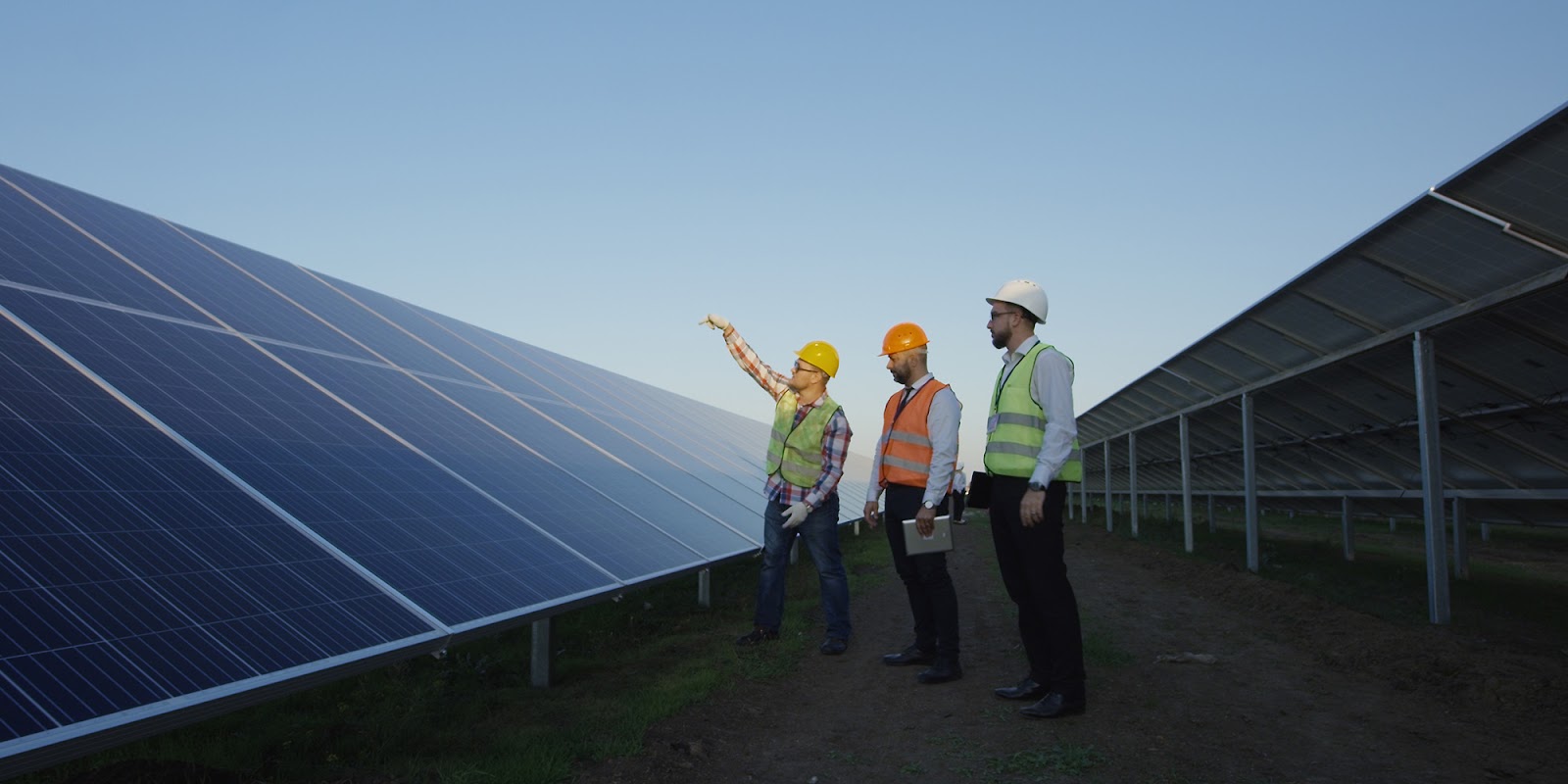
By making solar energy more accessible to low-income communities, the New York government can solve several important social, environmental, and financial problems at once.
First Standalone BESS Project in the Bronx
In August 2024, Catalyze announced the launch of its first standalone battery energy storage system (BESS) project in the Bronx. The project consists of four Tesla MegaPacks with a total capacity of 4.29 MW and 8.58 MWh. Construction and commissioning were completed in a record 171 business days.
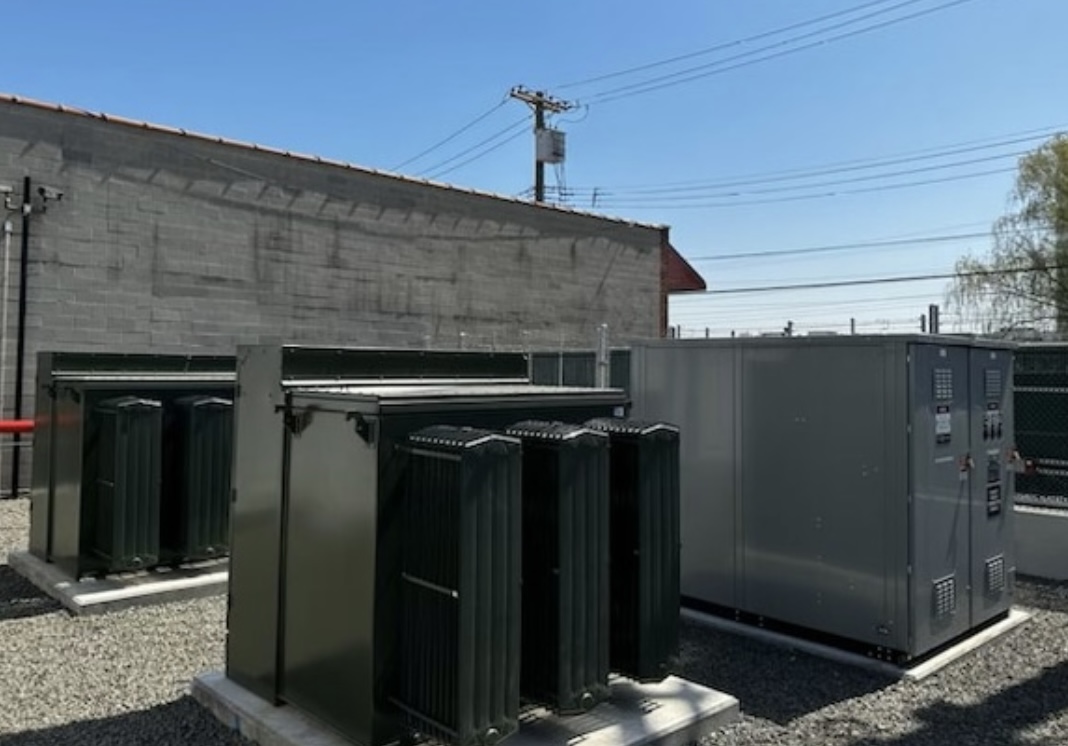
This was one of the first megawatt-scale BESS projects to be successfully implemented under New York’s updated permitting process for battery systems.
“This project demonstrates Catalyze’s commitment to innovation and the continued expansion of our BESS technology expertise,” said Jared Haines, CEO of Catalyze. “New York will require a multitude of renewable energy solutions to meet its ambitious climate goals, and we are proud to continue partnering with local authorities to deploy renewable energy projects across the state.”
The Bronx project is the first step toward a global goal of installing 10 gigawatts of energy storage by 2030 and reducing greenhouse gas emissions by more than 80% by 2050.