

There’s no denying it—for all its modern, high-tech sheen, New York City has a special kind of love for its parks. Today, we’re spotlighting another stunning public park located along the Bronx River. A visit here lets you explore two of the Bronx’s biggest attractions—the Bronx Zoo and the New York Botanical Garden—while also enjoying a wonderful stroll through this beautiful park. Read more on bronx.name.
The Park’s Origins
The story of Bronx Park begins in the 19th century as New York City was rapidly developing and expanding. Alongside the boom in residential construction, there were also new programs to create public spaces and infrastructure. The NYC Parks Department played an active role, planning the city’s green spaces. In 1888, they opened what is now New York’s largest park, Pelham Bay. You can read about its history in a separate article.
In 1889, landscape architect Samuel Parsons Jr. designed a new city park. His plan focused on preserving the area’s natural beauty and creating spaces for recreation, with the Bronx River serving as the central element of the design.
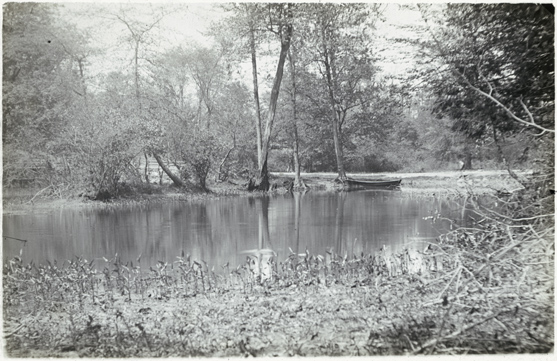
The park was officially acquired in 1891 with funds from the New Parks Act of 1884. Many of the lands were purchased from Fordham University and from the wealthy Lorillard family, who owned several factories in the Bronx. Originally, the park covered 2.5 square kilometers in 1888-1889. Today, Bronx Park spans 2.91 square kilometers.
A key milestone was the opening of the New York Botanical Garden in 1891. The Bronx Zoo, now one of the park’s main attractions, was founded in 1899 and opened to the public in 1901.
Throughout the 20th century, Bronx Park saw numerous improvements, including new recreational facilities and playgrounds. It continued to be a vital place for residents of the surrounding neighborhoods to relax. The park is a key hub within the Bronx’s park system, easily accessible from many directions.
A Haven for Nature Lovers
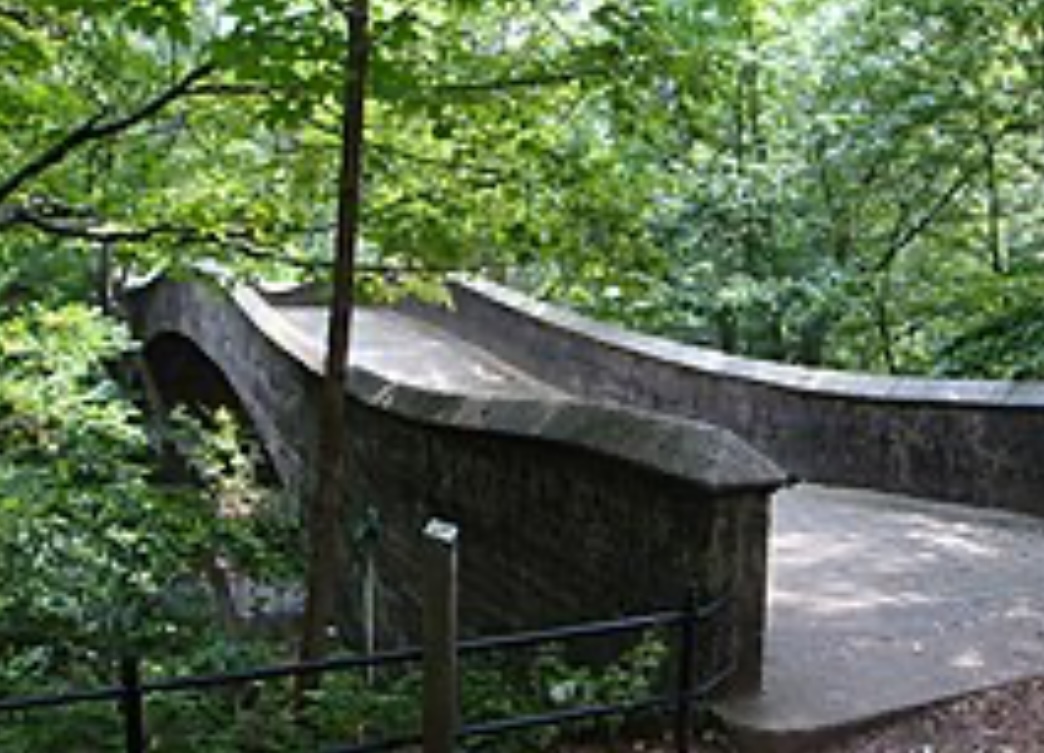
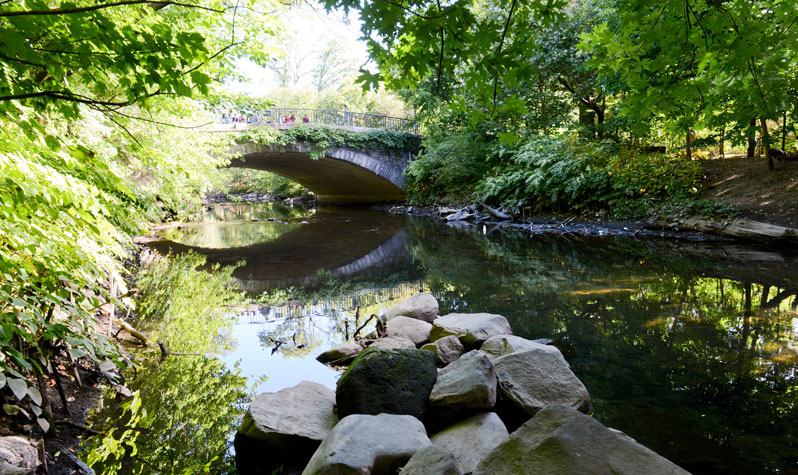
The main waterway of Bronx Park is the Bronx River, which flows south from Westchester County to the East River, running 3.2 kilometers through the park. Within Bronx Park, the river has largely maintained its natural state and supports a diverse ecosystem with deciduous swamps and floodplain forests of red maples. Several tributaries feed into the river from the New York Botanical Garden and the Bronx Zoo. The river was once heavily polluted, but thanks to the efforts of various environmental organizations, it was almost completely cleaned up by the end of the 20th century. The biggest contribution came from the Bronx River Alliance team. You can learn more about this organization in a dedicated article.
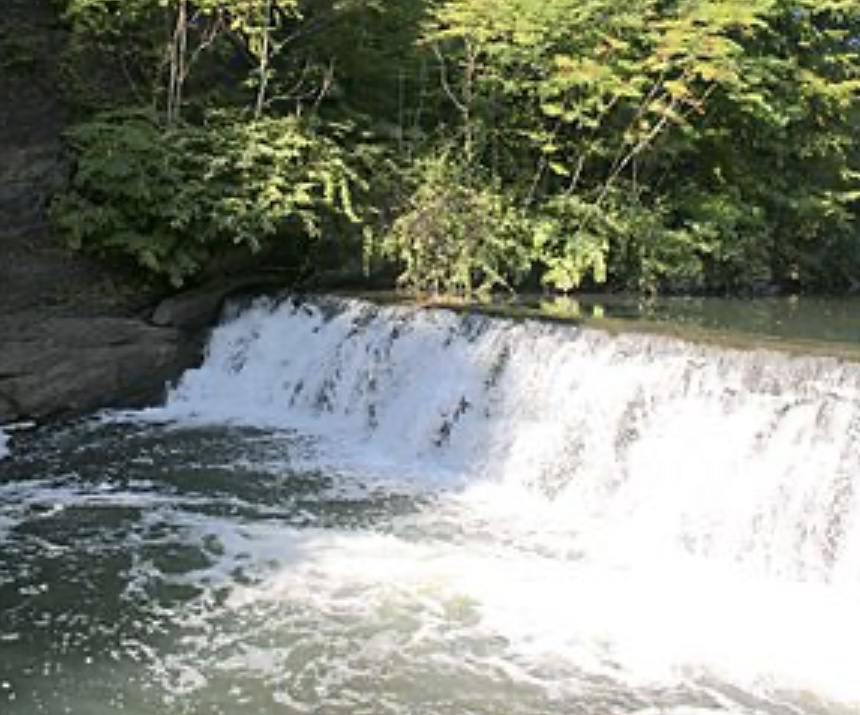
The river isn’t the only aquatic attraction in Bronx Park. The park also features three waterfalls. The first is a cascade near the Lorillard Snuff Mill. The second waterfall is an incredible sight, especially on a sunny day, as the water plunges 3.7 meters down a pink granite rock face. A small islet splits the flow into two separate streams, creating a truly amazing view. It’s located upstream from the zoo’s Boston Road entrance. The third is the Delancey Waterfall, or Lydig Falls, near the dam.
Bronx Park is also home to two large lakes along the river. South of Fordham Road, the river widens into the small Lake Agassiz, which is fed by two streams from the zoo. In the 20th century, the lake covered 2.4 hectares, but in 1971, three acres were repurposed for a new bison habitat in the zoo. The larger body of water is Bronx Lake, spanning 10 hectares. It’s located south of Lake Agassiz and stretches for almost a mile through the zoo. In the past, it was used for boating. In the early 20th century, it was a popular pastime for city dwellers. For example, in 1911, about 46,000 people went boating here during the season. Bronx Lake even had a special boathouse at one point, but it was demolished after the 1950s.
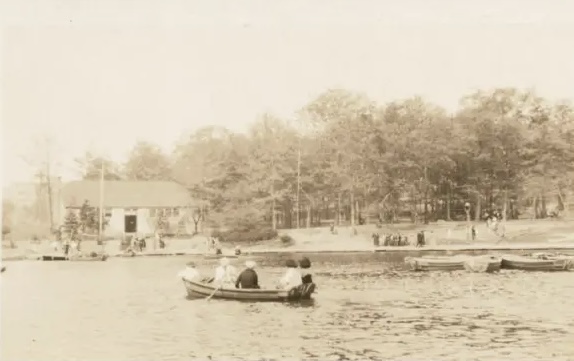
In addition, there are several ponds in the park that are not connected to the river. The Cope Pond is located near the zoo’s entrance and is now home to a colony of pelicans. Another pond, Twin Lake, is in the northern part of the park next to the lab at the New York Botanical Garden.
The Park’s Crown Jewels: The Botanical Garden and the Zoo
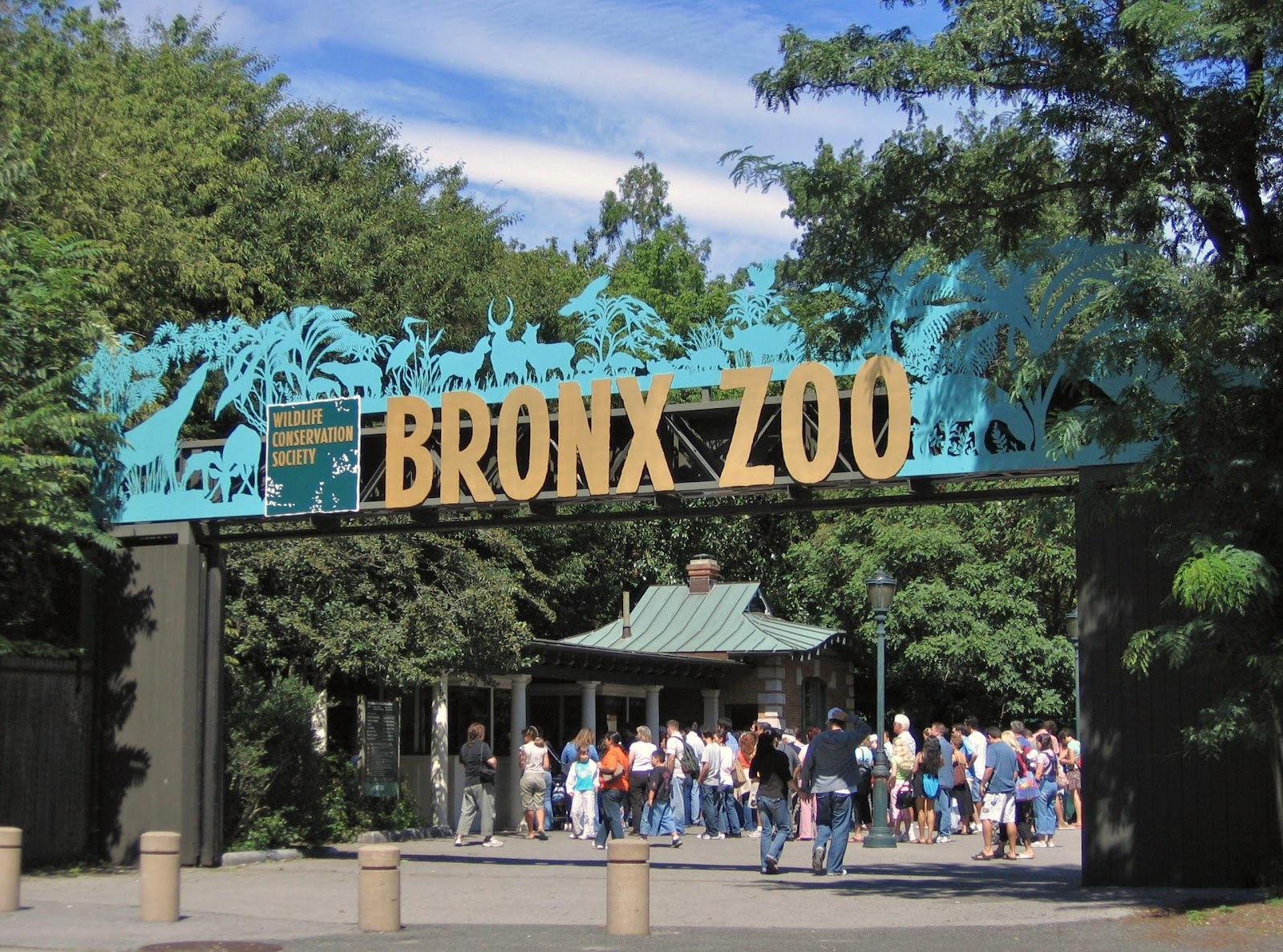
The Bronx Zoo, one of the largest and most famous zoos in the world, is the main attraction of Bronx Park. Located on the park’s south side, west of the Bronx River, it covers over 265 acres and is home to thousands of animals from around the globe, making it a fantastic destination for any nature lover. From its earliest days, the Bronx Zoo was known for housing some of the most valuable and rare animals. At one time, its inhabitants included thylacines, Barbary lions, shoebills, Komodo dragons, James’s flamingos, proboscis monkeys, and Sumatran hippos. Among the zoo’s notable landmarks is the Rainey Memorial Gates at the Fordham Road entrance, which are an important architectural landmark in NYC and are listed on the National Register of Historic Places.
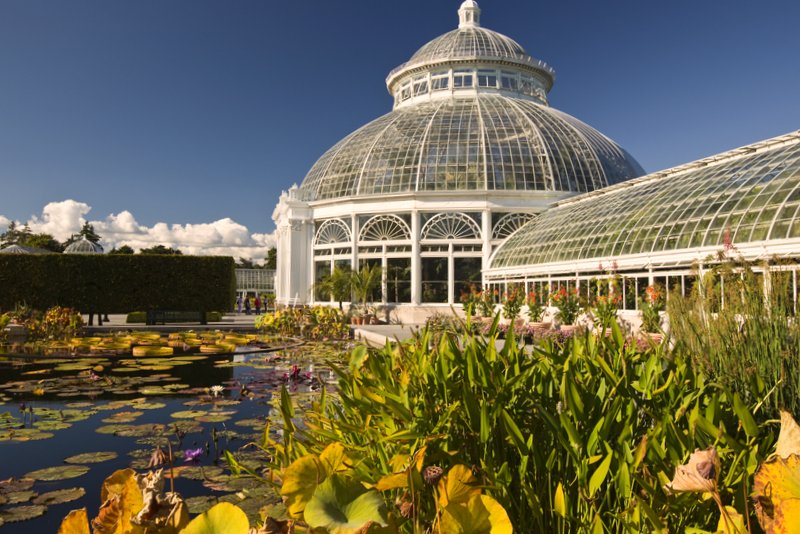
The New York Botanical Garden is another major landmark in Bronx Park. Spanning 250 acres on the park’s northern side, west of the Bronx River, a large portion of its land once belonged to the Lorillard family estate and also includes a section that was part of the St. John’s College campus (now Fordham University). The garden features a wide variety of plants and themed gardens, with over a million living plants, including the famous Enid A. Haupt Conservatory, which houses tropical and seasonal exhibits. Since 1967, the botanical garden has been a National Historic Landmark.
Both institutions—the Bronx Zoo and the New York Botanical Garden—are private organizations, but a portion of their maintenance costs is covered by the New York City Department of Parks and Recreation (NYC Parks).
Other Attractions and Recreational Areas
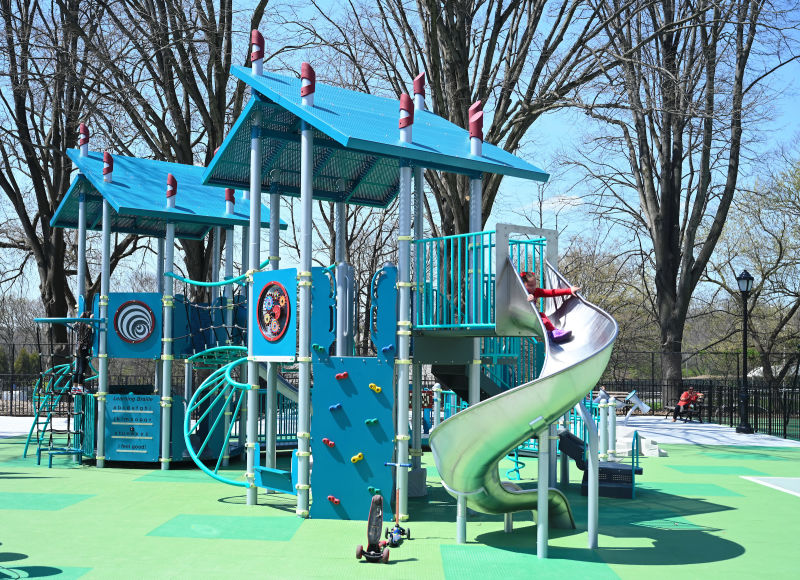
The eastern section of Bronx Park offers several recreational facilities. Here you’ll find fields for baseball, basketball, bocce, soccer, and tennis, as well as walking trails, kayaking launches, and a skatepark. Of the seven playgrounds in Bronx Park, four are located in this eastern part: the Ben Abrams, Brady, Waring, and Rosewood playgrounds.
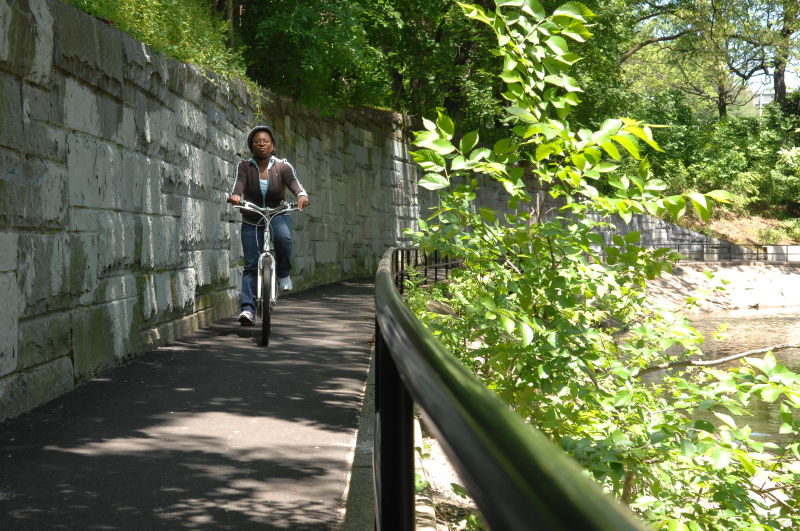
The northern part of the park is classified as a 35-acre Forever Wild Nature Preserve, and it is off-limits to development. This preserve is primarily a floodplain forest and features several walking trails. The forest is considered unique because it is the only one in New York City that has never been logged.
The NYC Parks headquarters is situated in the southeastern part of the park.
The southwestern corner of Bronx Park contains River Park, a small area with a playground that overlooks the Bronx River.
The park also has three bike paths. The longest is the north-south trail on the Bronx River Parkway, while other bike paths run northwest along the Mosholu Parkway and east along the Pelham Parkway.
Among the other interesting sites in and near Bronx Park, you should also check out the following:
- The Kazimiroff Nature Trail—an ideal route for walks and observing local wildlife and plants.
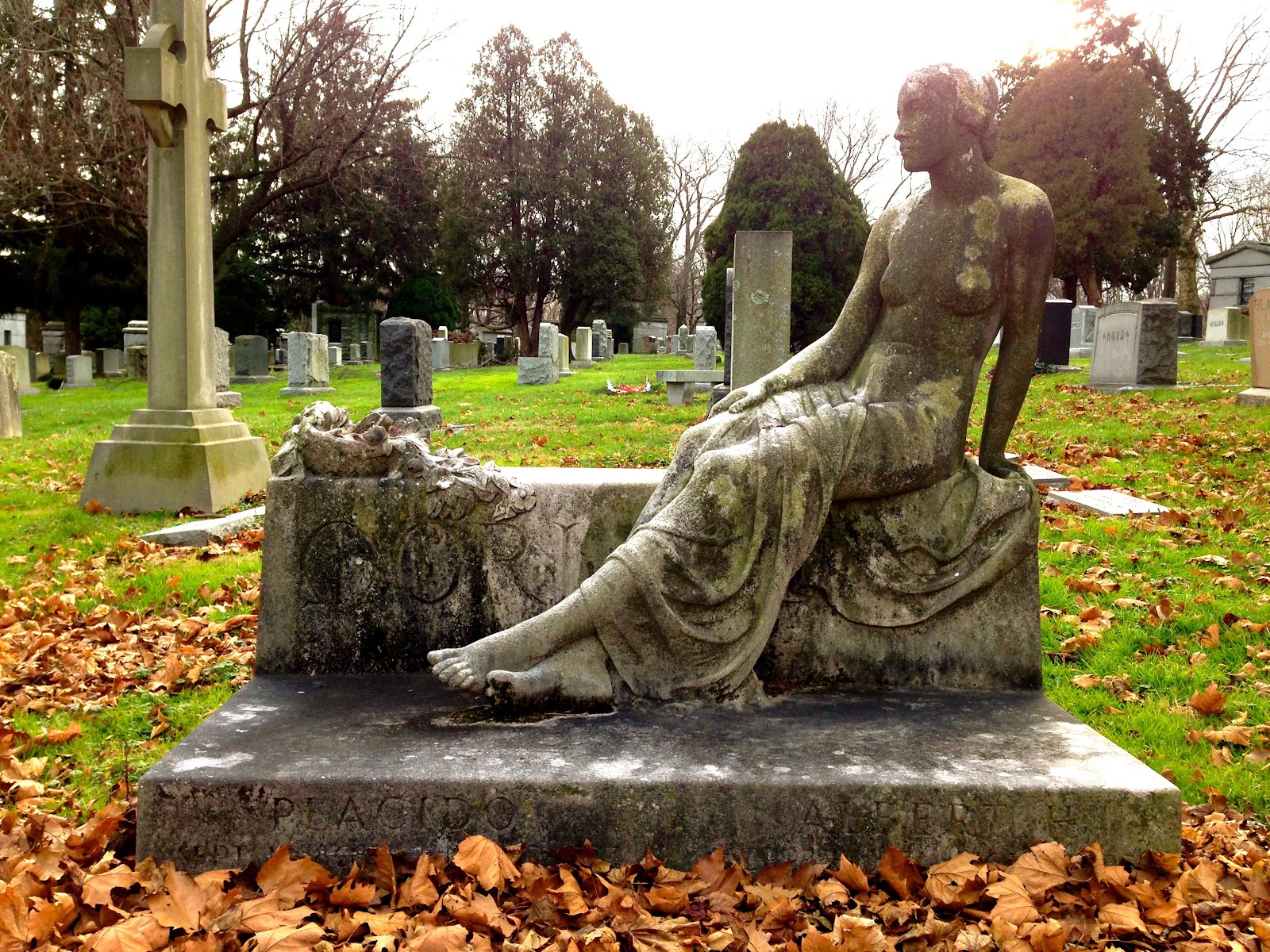
- Woodlawn Cemetery, located next to Bronx Park, is a historic site with impressive architecture and is the final resting place for many notable figures, including musicians, writers, and politicians.
- Indian Lake—a picturesque spot for relaxing and birdwatching.
- The remains of the Lorillard Snuff Mill, built in the mid-19th century, where you can see the old mill.
- The Bronx Park Carousel, which adds a special, nostalgic charm to the park.
These landmarks and attractions, along with the green spaces, walking trails, and recreational areas, make Bronx Park a vibrant and diverse destination for visitors.