

According to the UN, 30% of food is wasted annually. Imagine that—about 1.3 billion tons of leftovers, expired, and spoiled products. All of this decomposes in landfills, releasing harmful and toxic methane gas into the atmosphere. Proper waste disposal has become a pressing global issue. Consequently, many countries have recently focused on waste sorting and implemented various programs addressing this problem. This article examines one aspect of responsible and rational sorting—composting—and highlights current initiatives related to this process in the Bronx. More on bronxname.
What Is Composting?
Nature is designed to work through effective cycles. The water and carbon cycles are prime examples of perfect systems. Imagine if organic compounds never decomposed. What if all living things, from dinosaurs onward, remained unchanged? Humanity might not have survived this long.
Yet humans have disrupted these natural cycles, causing most global environmental imbalances. One major issue is organic waste disposal. Ideally, all organic waste should return to the soil as nutrient-rich fertilizer. While achieving this fully may be impossible, reducing the percentage of organic waste in landfills is achievable. The simplest solution is composting—turning organic waste into fertilizer.
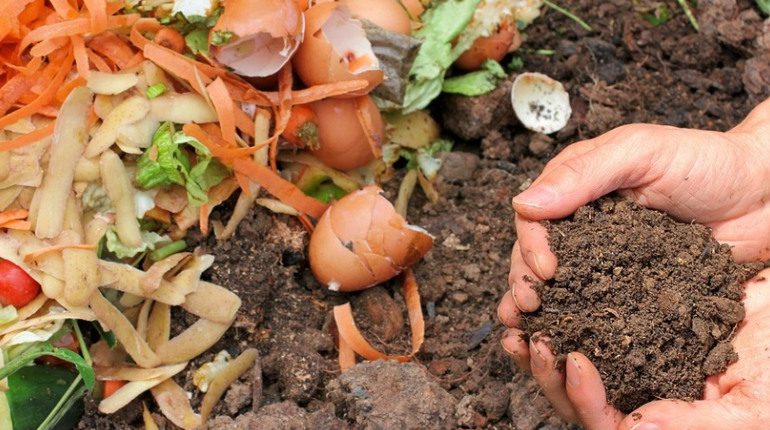
Composting is part of the 5Rs of conscious ecological consumption:
- Refuse—Say no to unnecessary items.
- Reduce—Minimize consumption.
- Reuse + Repair—Reuse and repair items.
- Recycle—Recycle waste.
- Rot—Compost organic waste.
Farmers and gardeners call compost “black gold” for its cost-effective and powerful ability to improve soil properties and increase crop yields. A single teaspoon of healthy soil contains over nine billion microorganisms—more than the human population. However, when organic waste ends up in a landfill, it does not become a nutrient source but emits harmful methane during decomposition. Studies show that approximately 58% of methane emissions from landfills are due to food waste.
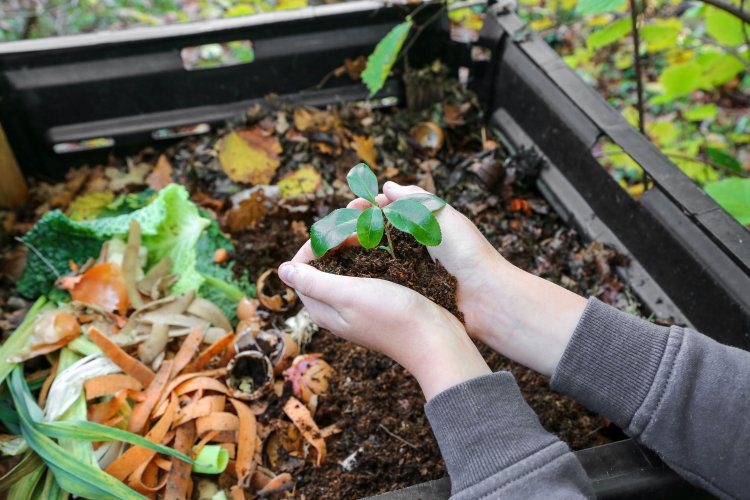
Two simple actions can combat this crisis: buy and consume responsibly to avoid waste, and compost all organic waste.
Benefits of Composting
The primary benefit is restoring the natural carbon cycle, reducing methane emissions that harm the ozone layer, and producing valuable fertilizer. However, composting offers additional advantages:
- Financial Savings: Composting reduces waste volume by about 40%, cutting waste removal costs.
- Social-Aesthetic Impact: Homeowners can use compost as plant fertilizer in gardens or yards. Even apartment residents can collect fertilizer for nearby parks, community spaces, or houseplants. The Bronx has over 100 public park areas.
- Hygiene: Composting eliminates foul odors from trash bins and deters fruit flies, especially during summer when organic waste decomposes faster.
- Moral Influence: Demonstrating environmental responsibility can inspire others, including children and friends, to adopt sustainable practices.
What You Can and Cannot Compost
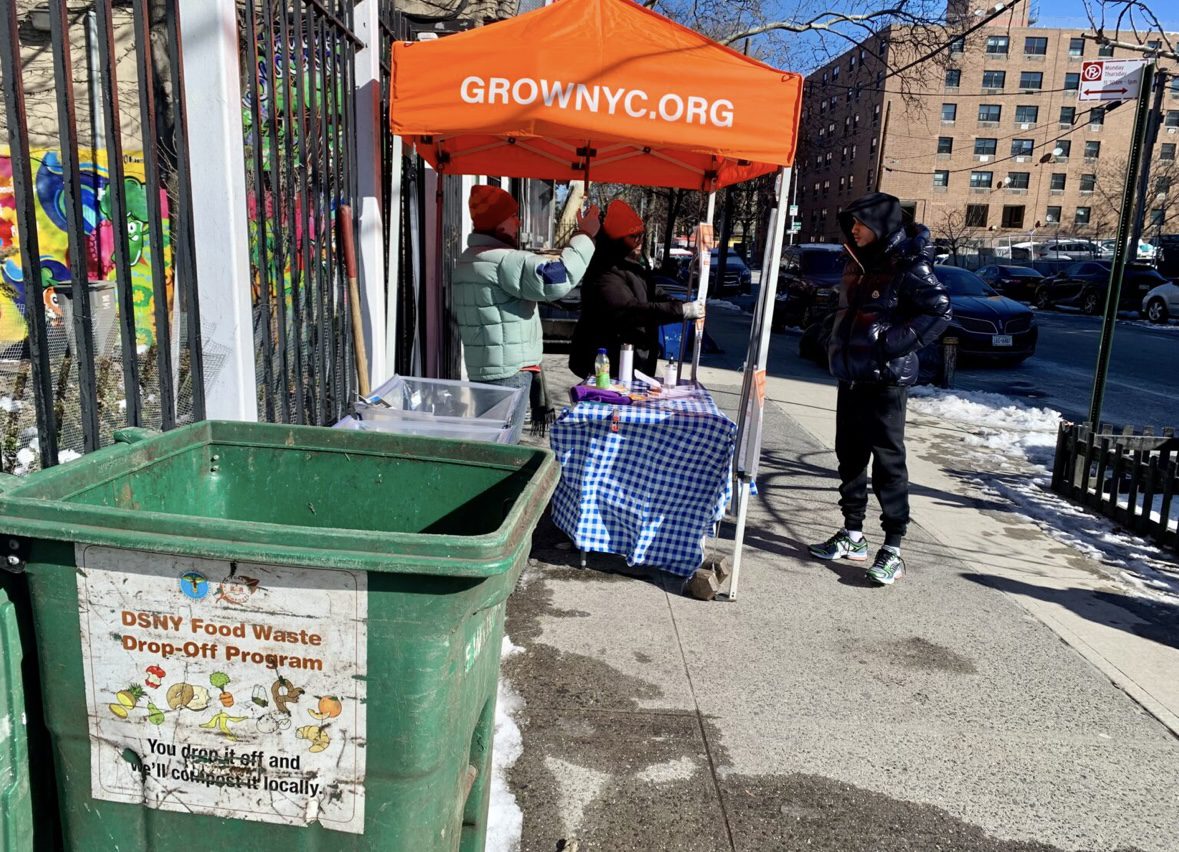
Before composting, determine where you’ll deposit your compost, as different organizations have varying guidelines.
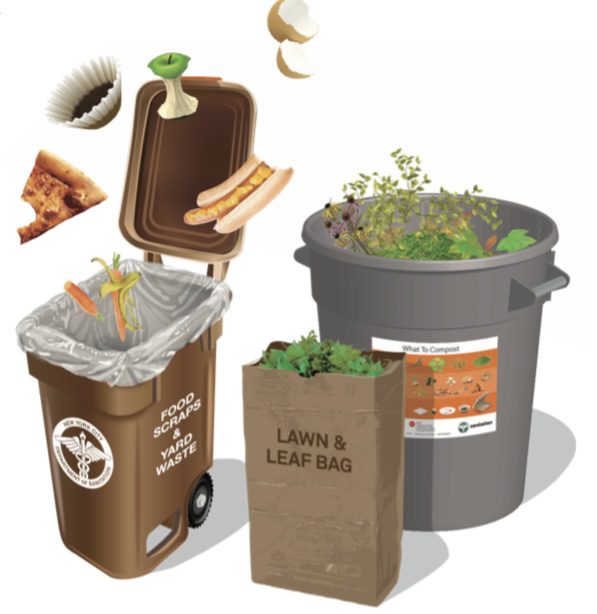
- Acceptable for GrowNYC bins in the Bronx:
- Fruit and vegetable scraps.
- Coffee grounds and filters.
- Eggshells.
- Brown paper and tea bags.
- Additional items accepted by DSNY smart bins:
- Paper plates.
- Pizza boxes.
- What to compost for personal use:
- Vegetables and fruits (except citrus peels).
- Grains and stale bread.
- Pure tea and coffee grounds (no bags or pods).
- Paper napkins without dyes.
Items not suitable for composting:
- Meat and fish.
- Liquids (juice, oils, soups).
- Bones and citrus peels.
- Walnut shells.
- Pet waste (may contain harmful parasites).
Avoid overloading compost with garlic, onions, or animal-based products.
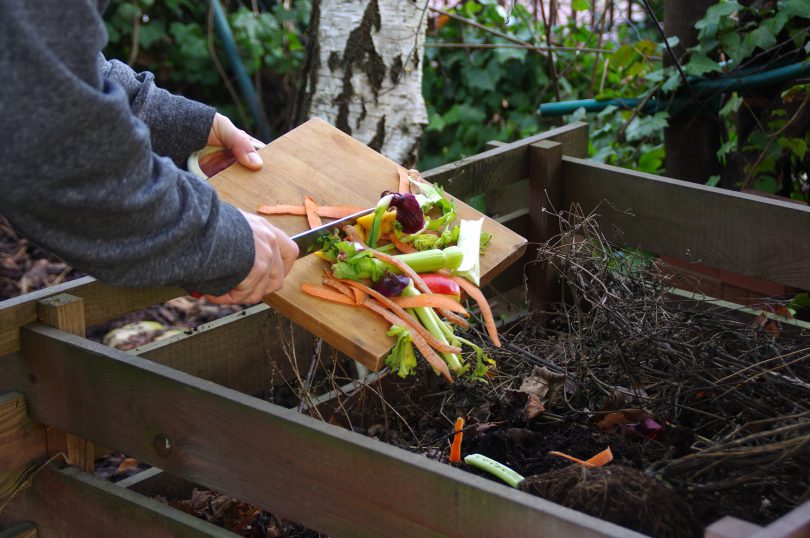
Steps to Responsible Composting in the Bronx
For residents of the Bronx, here are practical composting tips:
- Look for bins marked for composting, typically brown, with a 55-gallon capacity.
- Check the accepted items list at your local composting site or online.
- Include yard waste, such as branches tied neatly with string and placed next to compost bags.
- Do not leave food waste near bins unless securely closed; it may attract pests.
- Store compostable waste in a refrigerator or freezer until enough is collected.
- Contact local organizations for stickers and informational booklets to start your own composting site.
- Visit local sites for drop-offs and training sessions on composting techniques.
Curbside Composting in the Bronx
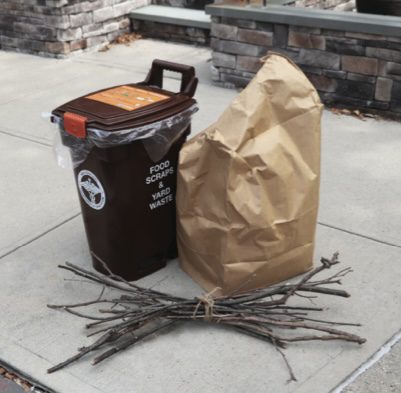
In October 2024, the Bronx launched a curbside composting program, following successful implementations in Queens, Brooklyn, and Manhattan. The results are impressive: in 2023 alone, Queens collected 105,000 tons of organic waste through this initiative, significantly reducing landfill loads, providing raw materials for fertilizers, and minimizing methane emissions.
Where to Drop Off Organic Waste in the Bronx
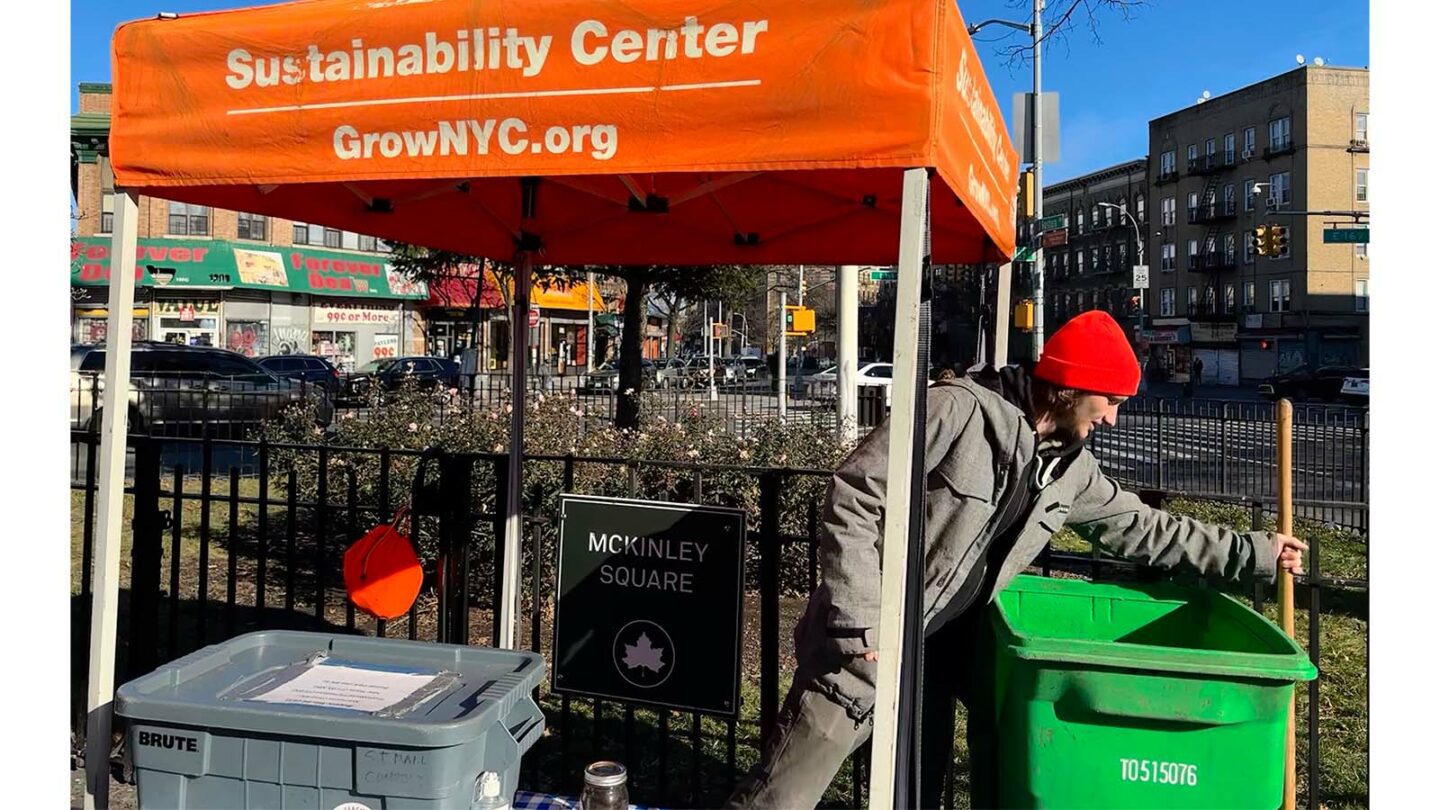
Even before the curbside composting program, the Bronx had multiple drop-off sites for food and yard waste.
Popular locations include:
- Padre Plaza Success Garden in Mott Haven, run by GrowNYC.
- Northwest Corner of Bruckner Boulevard & Evergreen Ave.
- Northwest Corner of Gerard Ave. & East 150th St.
- New Roots Community Farm: 670 Grand Concourse, Bronx, NY 10451 (Melrose).
Join these environmental initiatives! Composting is easy, convenient, and incredibly beneficial.
Explore related articles about handling special waste in the Bronx.