

The 20th century saw men dominating the scientific field, while successful women scientists, particularly in biophysics, were a rare phenomenon. This article highlights one such exception. Rosalyn Sussman Yalow, a Bronx schoolgirl, not only became the only woman in her university’s physics department but also earned the highest scientific honor — the Nobel Prize. Read more on bronxname.
A Dedicated Student
Rosalyn Sussman Yalow was born on June 21, 1921, in New York City, to Simon Sussman and Clara Yalow. Simon owned a paper factory, providing the family with a comfortable life. Despite lacking formal secondary education, her parents recognized the value of schooling and invested significantly in Rosalyn’s academic development.
Rosalyn was a diligent and curious student, frequently visiting the local library. She attended elementary school in the Bronx, where she first fell in love with mathematics. However, her fascination shifted to chemistry after being introduced to laboratory experiments.
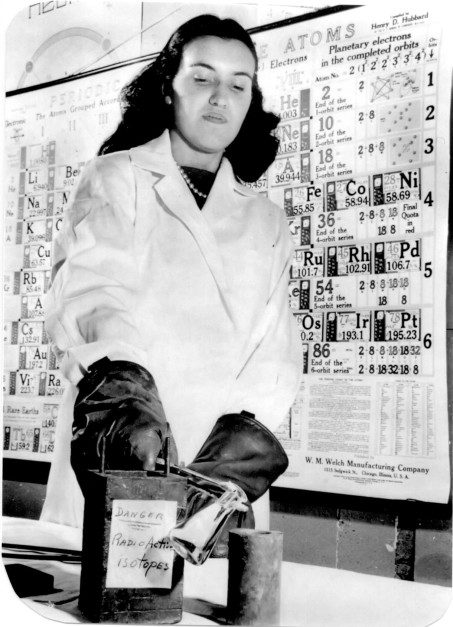
In 1937, Rosalyn enrolled at Hunter College in New York City, where her interests evolved again, this time toward physics. The emergence of groundbreaking discoveries in nuclear physics and the biography of Marie Curie further solidified her ambitions. The pivotal moment came in 1939 when she attended a lecture by Italian physicist Enrico Fermi on nuclear fission, a process recently discovered by Otto Hahn, Lise Meitner, and Fritz Strassmann. Rosalyn became determined to carve her name into the annals of nuclear science.
In 1941, Rosalyn graduated as the first woman in Hunter College history to earn a degree in physics.
War, Marriage, and a New Interest in Medicine
Shortly after graduating, Rosalyn was offered a teaching assistantship and a graduate position at the University of Illinois College of Engineering. Women in engineering and physics were almost unheard of at the time, and Rosalyn was the only woman among 400 students and the first female graduate student in Illinois’ physics department since 1917. The ongoing war played a significant role in this anomaly, as many male students were drafted or recruited for classified war projects.
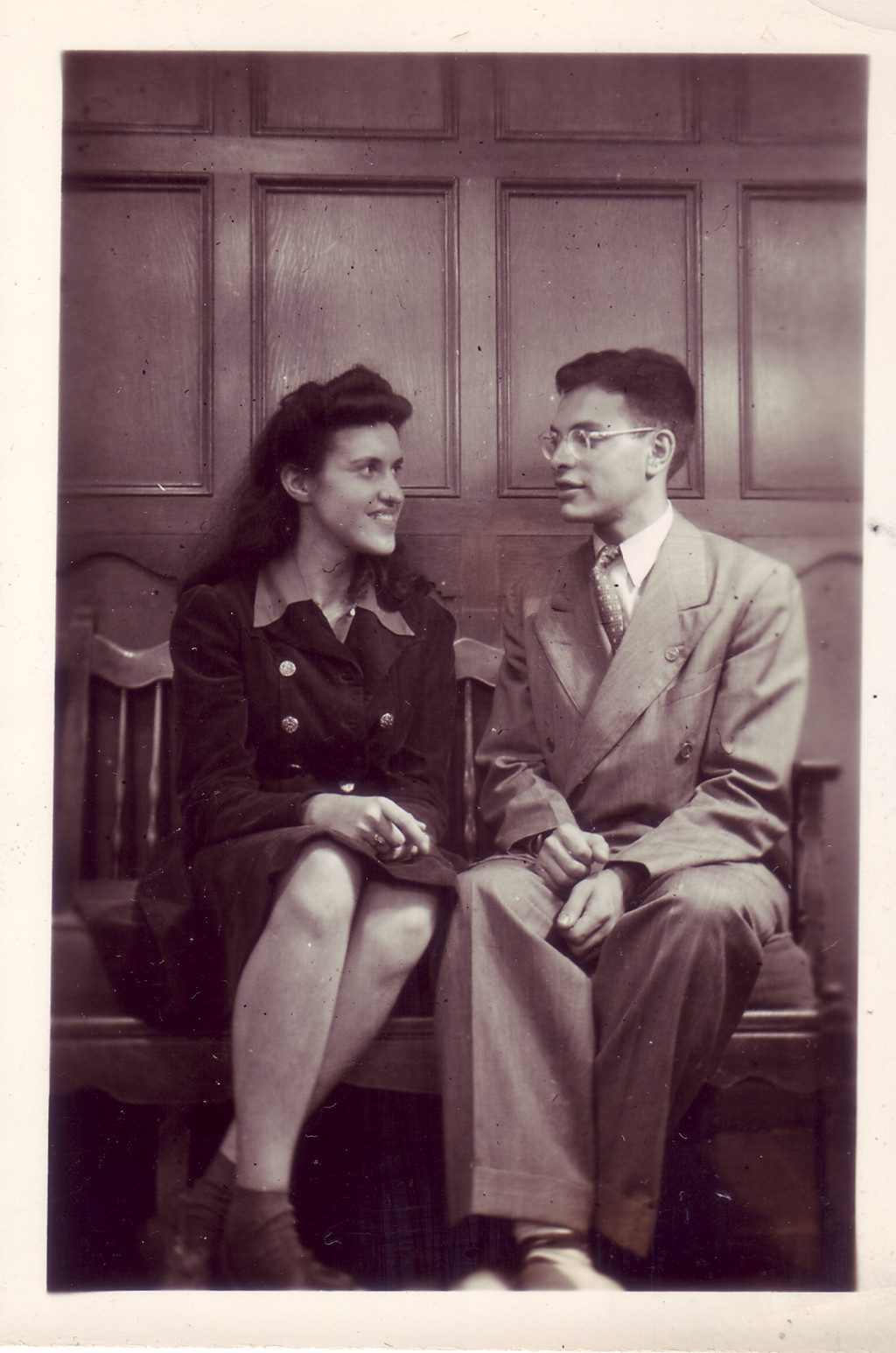
Rosalyn thrived in her research, eventually earning her doctorate. In 1943, she married Aaron Yalow, a fellow physics graduate student.
By 1945, Rosalyn returned to Hunter College as a faculty member, teaching returning war veterans. She began to consider ways she could contribute to their recovery but wasn’t sure how. A chance meeting in 1947 with Edith Quimby, a Columbia University physicist specializing in medical applications of radioactive isotopes, set her on a new path. Rosalyn volunteered in Quimby’s laboratory and met another key figure, Gioacchino Failla, who helped her secure a consultancy position in the radiotherapy department of the Bronx Veterans Administration Hospital. There, Rosalyn helped establish one of the first radioisotope laboratories in the United States.
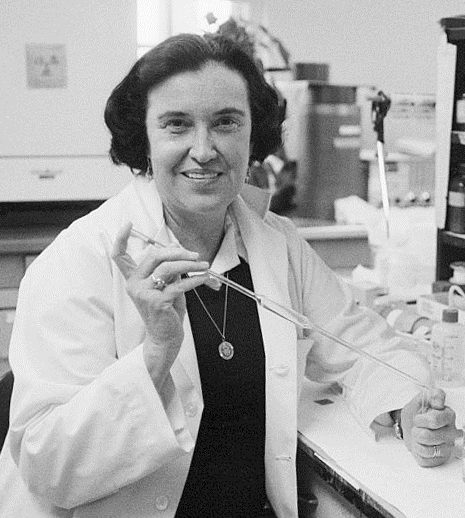
By 1950, she decided to focus entirely on her work at the Bronx hospital, leaving teaching behind.
Solomon Berson: A Crucial Partnership
At the hospital, Rosalyn initially felt overwhelmed by the new environment. This uncertainty disappeared after meeting Solomon Berson, a young physician whose arrival marked a turning point in her career. Although Berson had accepted a position at a hospital in Bedford, Massachusetts, his conversations with Rosalyn persuaded him to join her in the Bronx.
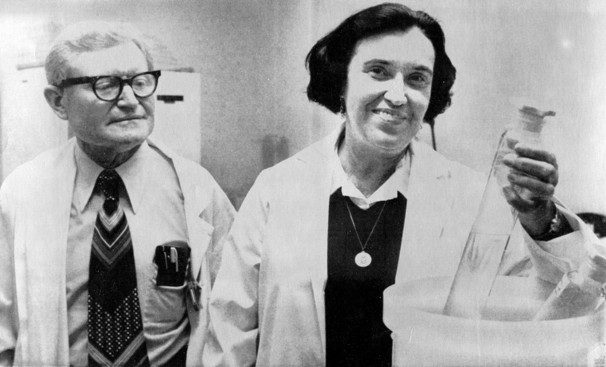
Berson was a talented and inquisitive individual, excelling in academics, music, and chess. Despite initial rejections from medical schools, he persisted, eventually earning a master’s degree and teaching anatomy before enrolling in medical school. Nine years later, he crossed paths with Rosalyn at the Bronx VA Hospital.
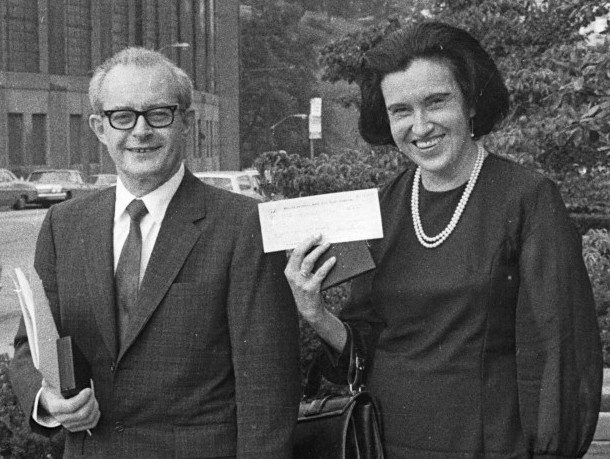
The duo complemented each other perfectly. While Berson brought expertise in clinical medicine, anatomy, and physiology, Rosalyn contributed her skills in mathematics and physics. Together, they embarked on a 23-year partnership, producing groundbreaking research.
Advancing Diabetes Research
One of their notable projects involved studying diabetes. They examined the body’s processes after insulin administration by attaching a radioactive iodine isotope to insulin molecules to trace their path.
At the time, insulin derived from cattle was standard. Rosalyn and Berson discovered that diabetic patients retained insulin longer than expected because the human body produced antibodies in response to the foreign substance. Their findings suggested that animal insulin was less effective and urged the development of alternatives.
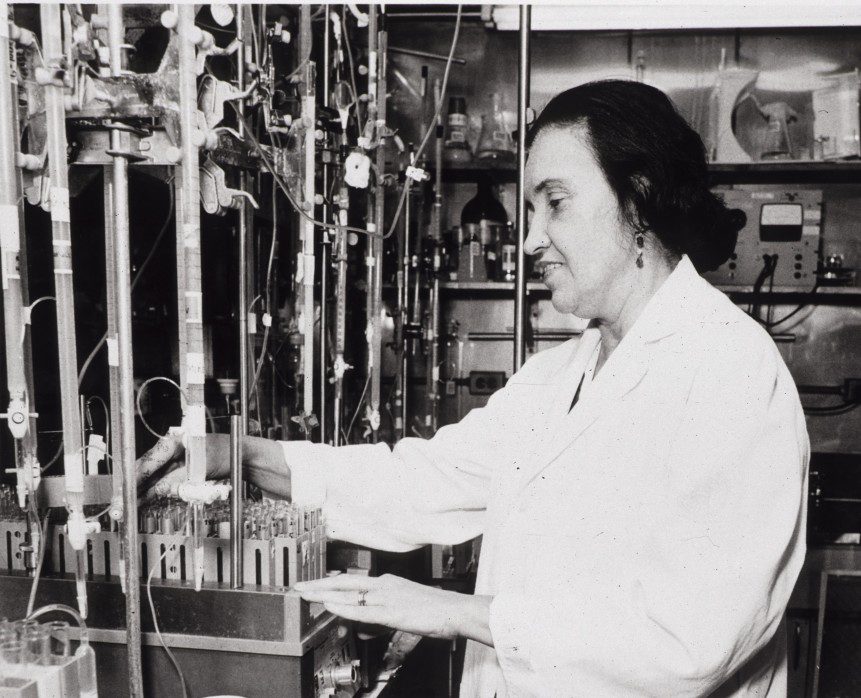
Despite initial skepticism from peers, their hypothesis gained acceptance, ultimately leading to the creation of genetically engineered human insulin, which replaced animal insulin.
Radioimmunoassay: A Revolutionary Technique
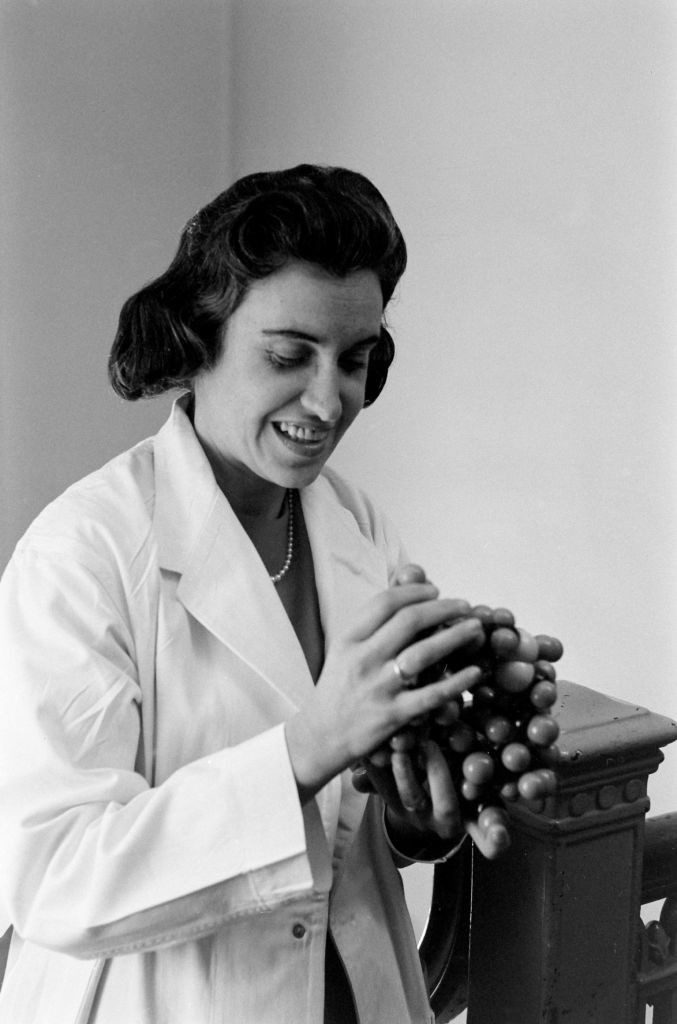
The insulin studies paved the way for Yalow and Berson’s most significant achievement: the development of the radioimmunoassay (RIA). This method quantifies trace biological substances in the body using radioactive markers, revolutionizing diagnostic medicine.
RIA became a global standard, enabling the detection of hepatitis in blood donations, early cancer diagnosis, and the measurement of hormones and neurotransmitters. It facilitated breakthroughs in endocrinology, virology, oncology, and neuroscience.
Global Recognition
Rosalyn Yalow was awarded the 1977 Nobel Prize in Physiology or Medicine for developing the RIA technique. Sadly, Solomon Berson had passed away five years earlier and could not share in the honor. Rosalyn shared the prize with two scientists who studied hormone production in the brain.
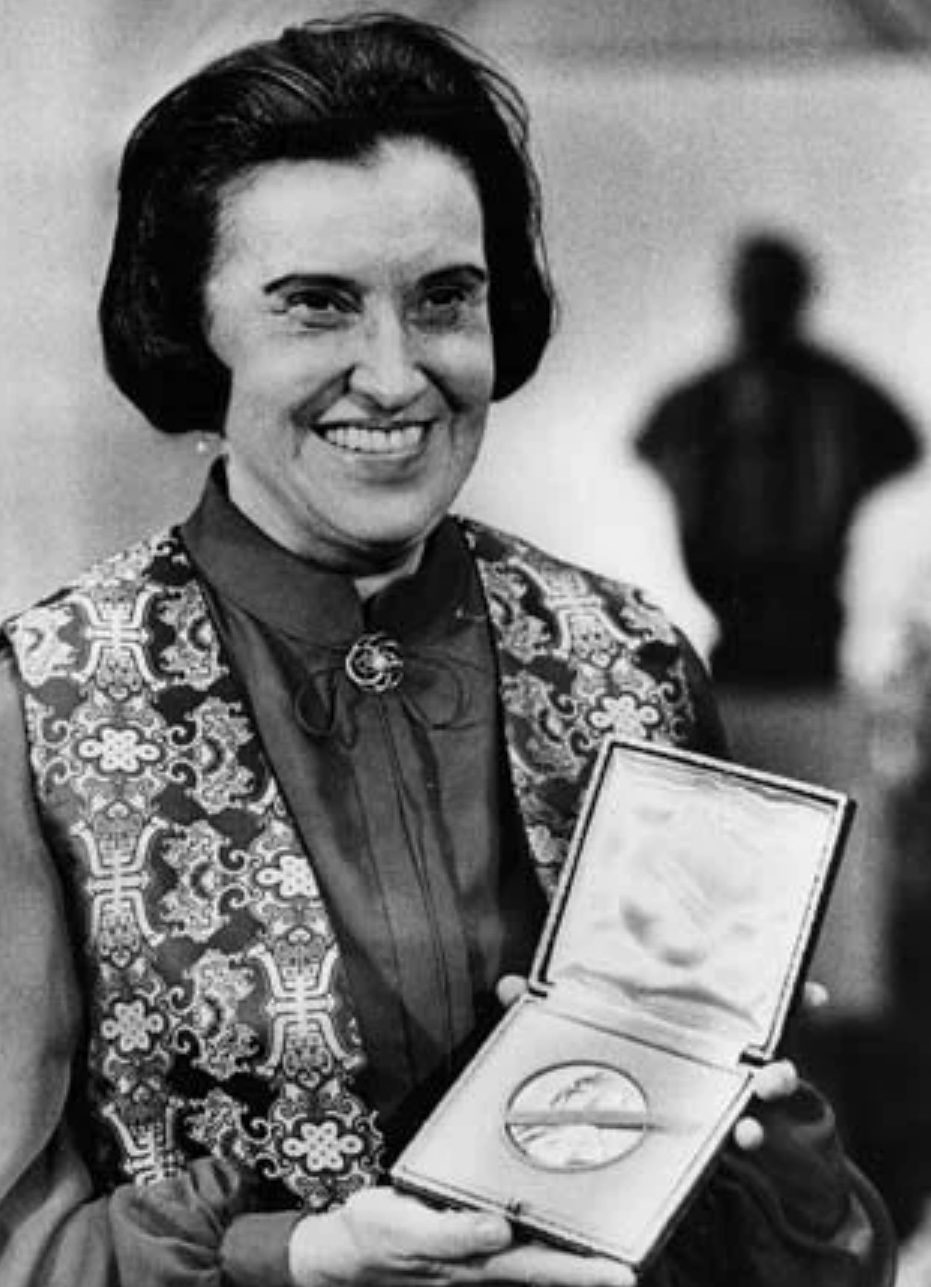
Among her numerous accolades, Yalow received the Gairdner Foundation International Award, the Albert Lasker Award for Basic Medical Research, the National Medal of Science from President Ronald Reagan, and memberships in the National Academy of Sciences and other prestigious organizations. She was the first woman to receive the Lasker Award in 1976.
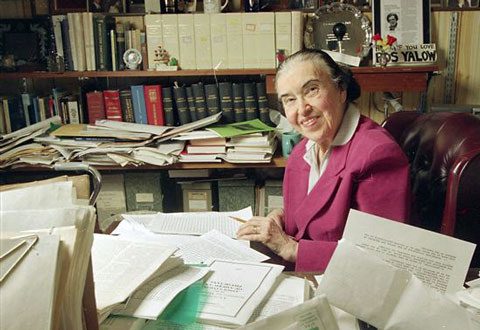
To honor Berson, Rosalyn named the Bronx VA Hospital laboratory after him. She continued working there until her retirement in 1991.