

A distinguished American biochemist and geneticist, Bruce Ames revolutionized toxicology by creating the Ames test to evaluate the mutagenicity of chemical compounds. His method made it easy and inexpensive to determine the carcinogenic properties of substances and helped uncover numerous industrial and environmental hazards. Throughout his life, he published over 500 scientific papers on mutagenesis, cancer, and the mechanisms of aging. Read on bronx.name to learn more about this graduate of the Bronx High School of Science.
The Beginning of a Scientific Journey
Bruce Ames was born and raised in New York City, and his interest in science first emerged within the walls of the Bronx High School of ScienceBronx High School of Science. There, he first got involved in research and realized he wanted to dedicate himself to biology and chemistry.
After high school, Bruce enrolled at Cornell University, where he became fascinated with the combination of fundamental science and practical experiments. In 1950, Ames completed his studies, earning a bachelor’s degree in chemistry with a minor in biology. Even then, he had a clear vision for his future path—focused on the molecular mechanisms of life.
The next phase was graduate school at the California Institute of Technology. Here, Ames worked under the guidance of leading biochemists and focused on studying the synthesis of the essential amino acid histidine. His dissertation research combined genetic and biochemical approaches, which was innovative at the time.
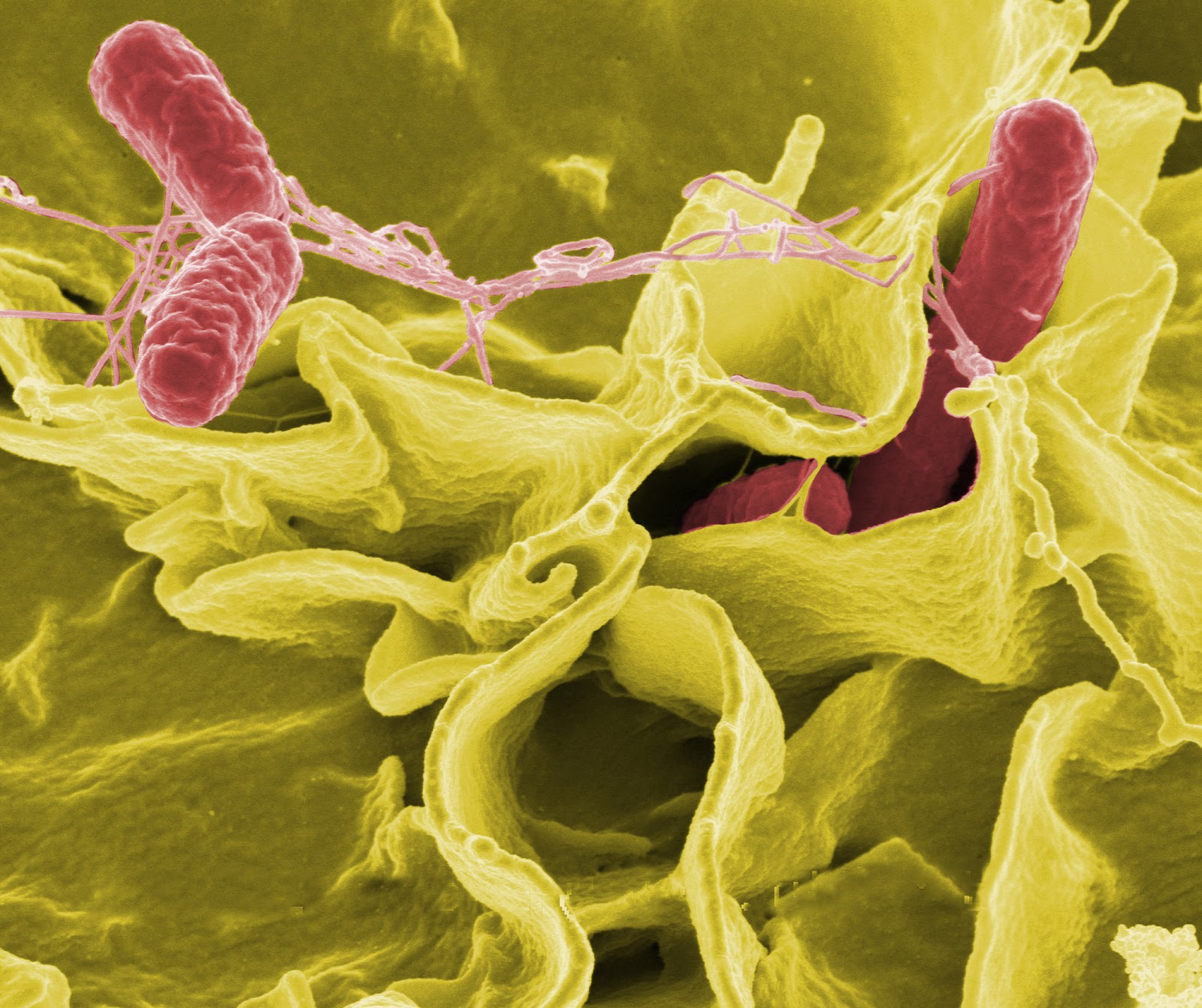
In 1953, Bruce Ames earned his Ph.D. in biochemistry and began working at the National Institutes of Health (NIH), first as a postdoctoral fellow and researcher, and later as head of the microbial genetics department. Here, Ames continued to develop his ideas, studying how the enzymes and genes responsible for histidine biosynthesis worked, using Salmonella bacteria as a model organism.
The young scientist was gradually developing a unique way of thinking: a combination of the precision of biochemistry with the flexibility of genetics. And while the Ames test was still in the future, it was already clear that he was on the verge of a major discovery.
The Ames Test: A Simple Experiment That Changed Cancer Science
Bruce Ames’s real fame came in the 1970s when he developed his renowned test. The idea first emerged during his work with Salmonella bacteria. He noticed that some mutants that had lost the ability to produce histidine would sometimes regain this function through random mutations. Ames had a hunch: if a certain chemical could cause bacteria to mutate, it might be carcinogenic.
This experiment was ingeniously simple. Mutant bacteria were cultured on a Petri dish without histidine, and the substance being tested was placed on a filter paper. If a ring of colonies appeared around it, a mutation had occurred. Thus, the test, which was cheaper and faster than complex animal experiments, became a universal tool for the preliminary screening of carcinogens.
Students quickly latched on to the idea, bringing everything from food products to household chemicals for testing. The results were both impressive and alarming. Mutagens were found where they were least expected. It was thanks to the Ames test that a number of substances were banned, including Tris, a popular fire retardant in children’s sleepwear.
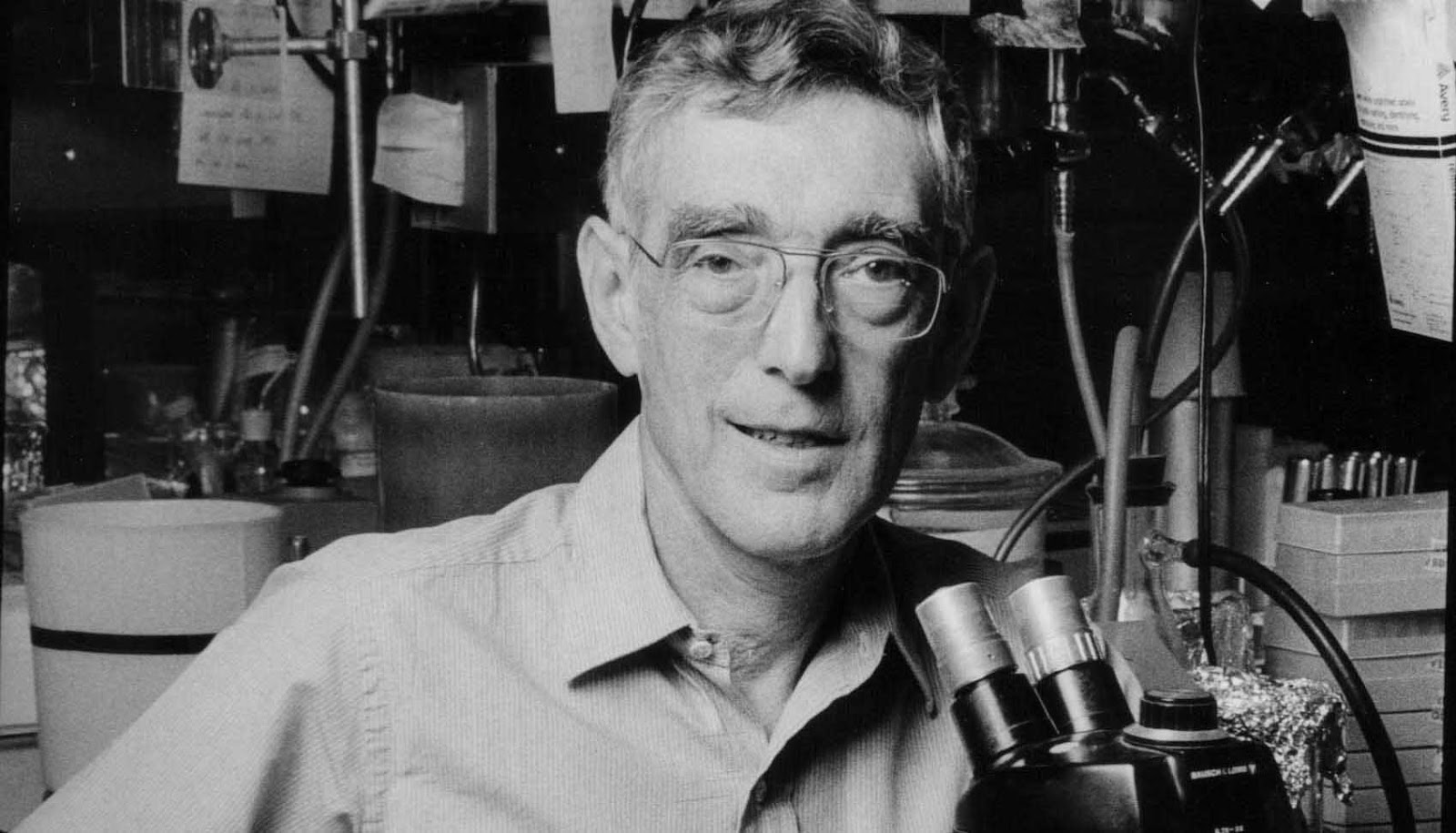
Over time, these discoveries led Ames to even more provocative conclusions. His research showed that natural compounds could be just as carcinogenic as synthetic ones. For example, a typical cup of coffee contains more than a thousand chemicals, and most of the ones tested were found to be mutagenic. By Ames’s calculations, the amount of carcinogens in coffee is greater than the yearly exposure to pesticide residues. He found similar compounds in black pepper, mushrooms, peanut butter, tea, and even white bread.
These findings challenged the conventional wisdom of “safe nature” versus “dangerous chemicals.” Ames was a sharp critic of the romanticized ecological view of the past and argued against the excessive dramatization of the impact of artificial substances. He believed that the main factor in the development of cancer was not pesticides or pollution, but rather the aging process and lifestyle factors, including diet.
To systematize this knowledge, he and his colleagues created the HERP index (Human Exposure/Rodent Potency)—a way to compare the relative risk of different substances. This made it possible to distinguish truly dangerous carcinogens from those whose impact was minimal.
It’s no surprise that the Ames test sparked genuine controversy. By finding potential mutagens in hair dyes and food additives, students under Ames’s direction stirred up a wave of concern: how much should we fear chemicals in everyday items? It later became clear that more than half of the compounds that produced a positive result in the test caused cancer in animals. This compelled chemical companies to adopt the test for their own practices—it allowed them to detect dangerous substances before they entered their products.
In a remarkable gesture, Ames made the protocols and bacterial strains freely available to everyone—both scientists and commercial organizations.
“He was unique in that he did it without expecting a profit—quite unheard of these days,” recalled Randy Schekman.
The Science of Longevity
In the 1980s, Bruce Ames turned his attention to another biological puzzle: aging. He showed that the breakdown of mitochondria is at the heart of this process, leading to degenerative diseases and the gradual decline of the body. His goal was not just to describe the mechanism but to find ways to slow it down.
Ames conducted a series of experiments to figure out how to support the function of the cell’s “power plants” and prevent DNA damage. He argued that the right balance of micronutrients in our diet could be the key to a longer, healthier life. His concept of the “triage theory” explained how, in a state of vitamin and mineral deficiency, the body is forced to prioritize “survival proteins,” sacrificing the “longevity proteins” that protect us from cancer, cardiovascular disease, and cognitive decline. According to Ames, this hidden deficiency is one of the main enemies of healthy aging.
The data he and his colleagues collected at the Children’s Hospital Oakland Research Institute were alarming. Even in the U.S., the majority of the population was not getting enough vitamin D, E, magnesium, calcium, zinc, and other vital substances. Obesity, in his opinion, only exacerbated the problem. People were consuming an excess of calories but were deficient in vitamins and minerals. To address the situation, Ames’s team developed their own product—the “Choribar,” a fruit-and-grain bar rich in fiber and micronutrients that significantly improved the metabolism of people with suboptimal diets.
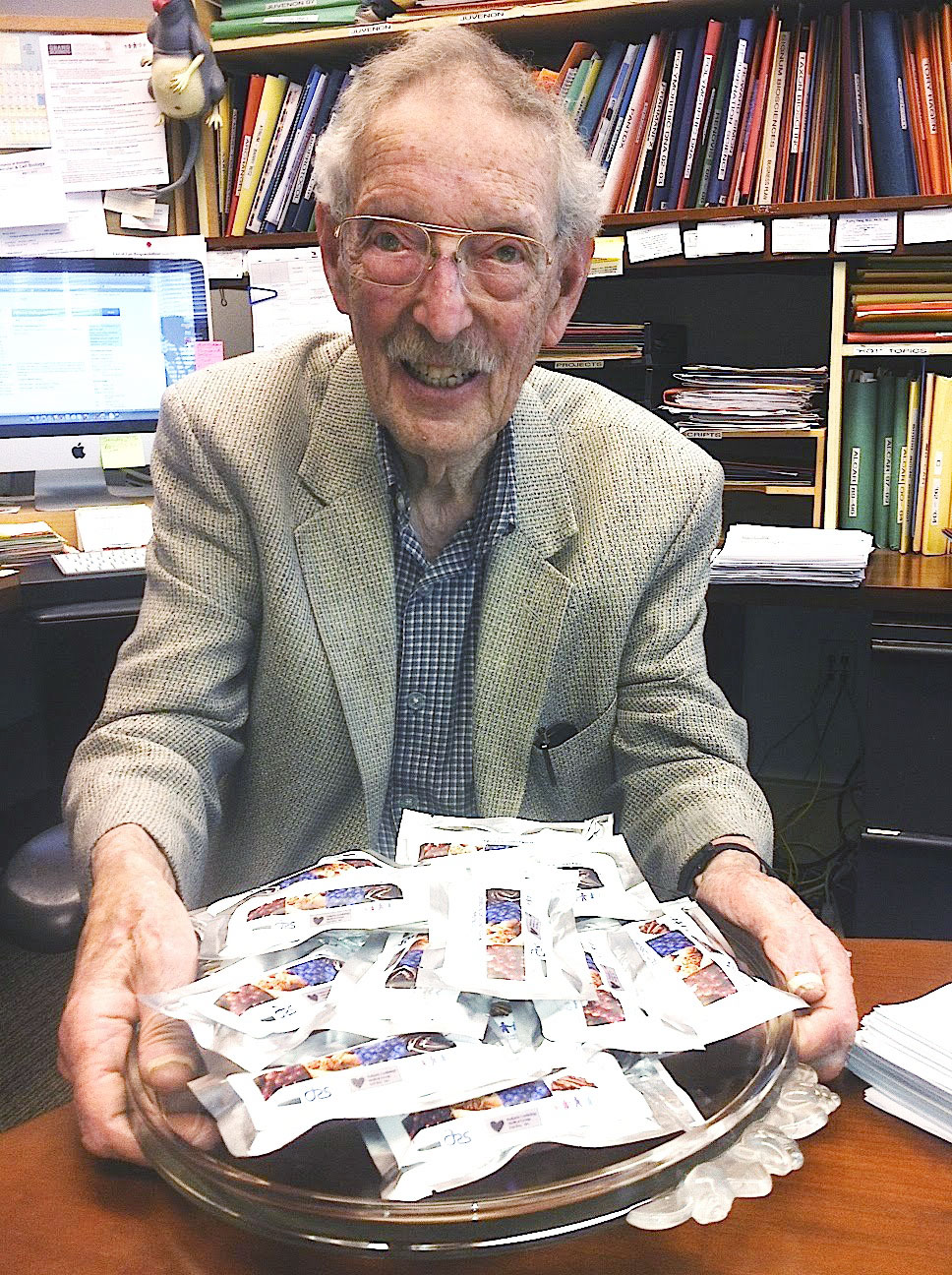
When Barker Hall at Berkeley was closed for seismic retrofitting in the late 1990s, Ames didn’t stop. He moved his lab to Oakland and personally helped fund the outfitting of the new space.
According to Ames, the key to longevity is simple: proper nutrition, avoiding smoking, and controlling nutrient intake. Even small changes in lifestyle can significantly extend a healthy life and reduce the need for expensive medical procedures.
Awards and Recognition
As early as 1970, Bruce Ames became a member of the American Academy of Arts and Sciences, and two years later, the National Academy of Sciences. These elections were a recognition of his groundbreaking work on mutagenicity and the mechanisms of cancer. Subsequently, Ames also joined the National Cancer Advisory Board, where from 1976 to 1982, he helped shape the direction of American cancer science.
His name was increasingly heard among the recipients of the highest scientific awards. In 1980, Ames received the Bolton Corson Medal, and three years later, the prestigious General Motors Cancer Research Foundation Prize. In 1985, he was honored with the Tyler Prize for Environmental Achievement, and in 1991, with the American Institute of Chemists Gold Medal.
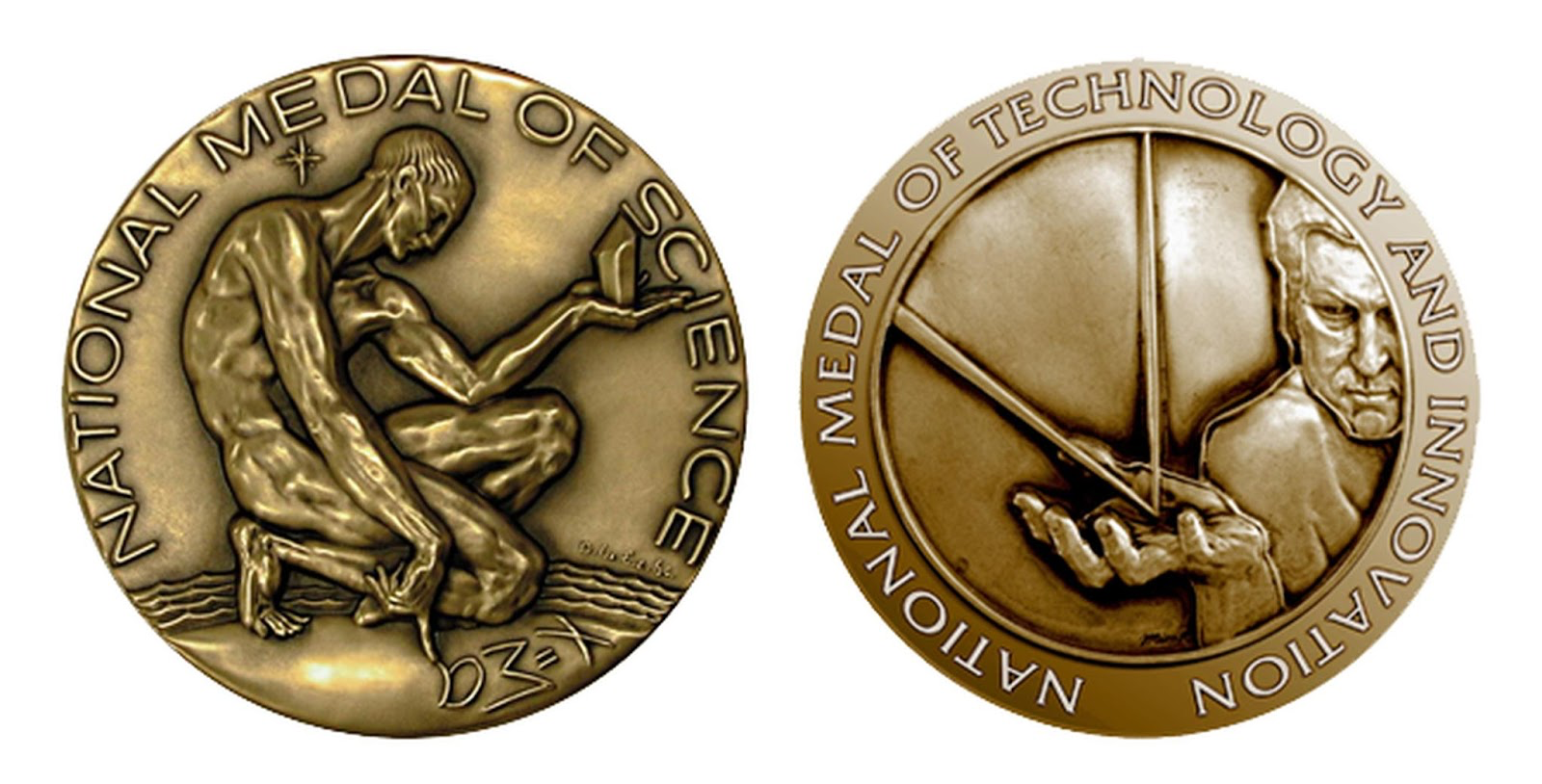
The 1990s were a time of international recognition. Ames received the Glenn Foundation of the Gerontological Society of America Award (1992), the Lovelace Institute Award for Excellence in Environmental Health Research (1995), the Honda Prize (1996), and the prestigious Japan Prize (1997). In 1998, when he was already a globally renowned scientist, he was honored with the City of Paris Medal and the highest scientific honor in the U.S., the National Medal of Science.
He met the new millennium with new achievements. In 2001, Bruce Ames received the Linus Pauling Institute Award for Health Research and the American Society for Microbiology Lifetime Achievement Award. In 2004, he was awarded the Thomas Hunt Morgan Medal—an honor that symbolizes the highest level in genetics and molecular biology.
His authorship of over 550 scientific publications and hundreds of thousands of citations cemented his place among the world’s most influential scientists. Despite all the titles and medals, Ames remained active in science even in his later years—as a professor emeritus of biochemistry and molecular biology at Berkeley and a senior scientist at the Children’s Hospital Oakland Research Institute.
His life’s journey ended in October 2024, when he passed away in Berkeley at the age of 95. All the awards he received are just an external confirmation of the main point: his ideas continue to live on and inspire new generations of scientists in the fight against cancer, aging, and the diseases of civilization.