

In 2020, the coronavirus epidemic shook the entire world. PCR tests, quarantine, mask requirements, remote learning and work. Everything was completely turned upside down. While in the mass panic of early 2020, everyone was trying their hardest to keep the virus from spreading, another COVID unforeseen event struck the Bronx. Several large animals in the zoo became ill and developed serious symptoms at once. Therefore, in this article, we will tell you how the Bronx lions and tigers were treated for COVID-19, as well as who else in the animal kingdom was still affected by the whirlwind of the global pandemic. Learn more at bronxname.
First animals to contract the virus
The Bronx Zoo closed its doors to tourists on March 16, 2020. At this point, all establishments in New York that usually received large crowds began to close en masse. However, it was impossible to leave the animals at the zoo alone. Several employees were chosen, and they took turns visiting and caring for the zoo’s inhabitants. Despite all of the safety measures, masks and preventive treatments, one of the workers fell ill. Given that a person can carry the virus even before the symptoms manifest, this is most likely what happened. Just a few days after the infected employee was quarantined, disappointing news came from the area known as Tiger Mountain.
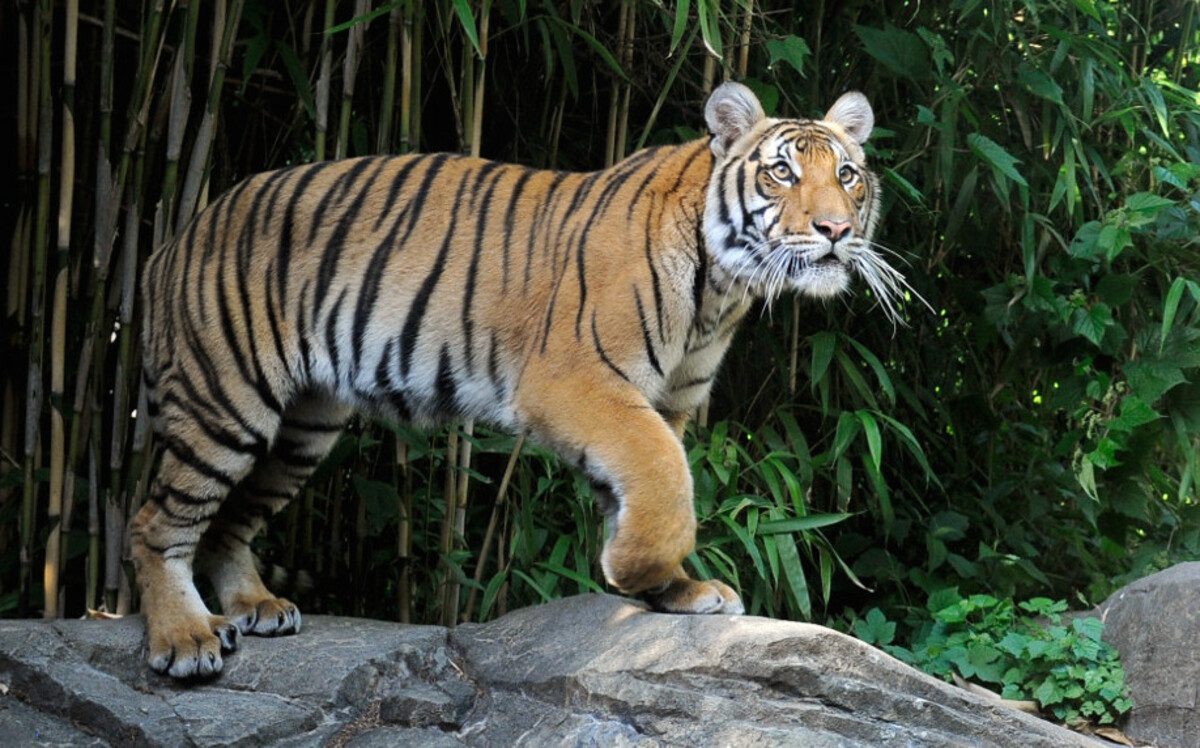
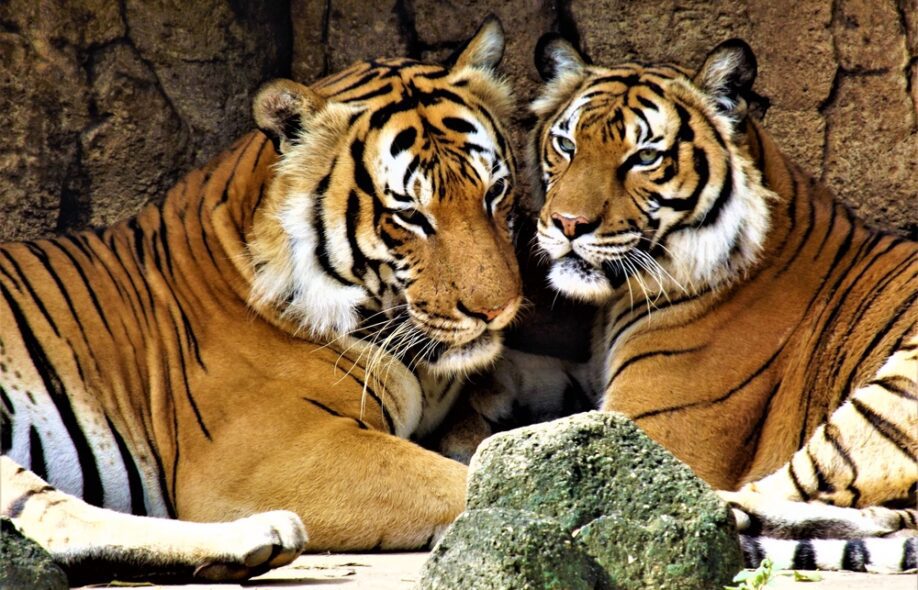
On April 5, Tigress Nadia, a four-year-old female Malayan tiger, was the first animal to raise concerns. She suffered from a dry cough and lost her appetite. She was then joined by three other tigers and three African lions. It seemed surprising that these large predators, with whom zoo employees have little contact for safety reasons, contracted the virus. In contrast, all the animals that came into direct and close contact with the sick caretaker stayed well. It’s also worth noting that none of the other inhabitants of Tiger Mountain, such as leopards, panthers and cougars, showed any symptoms.
Diagnostic difficulties
At that moment, the question arose: how to test tigers and lions to confirm the diagnosis? Tigress Nadia was sedated, and while she was asleep, specialists collected samples of saliva, as well as nasal and trachea fluids. The samples were delivered to veterinary schools at Cornell University and the University of Illinois. They did preliminary testing, which revealed a positive COVID-19 test result.
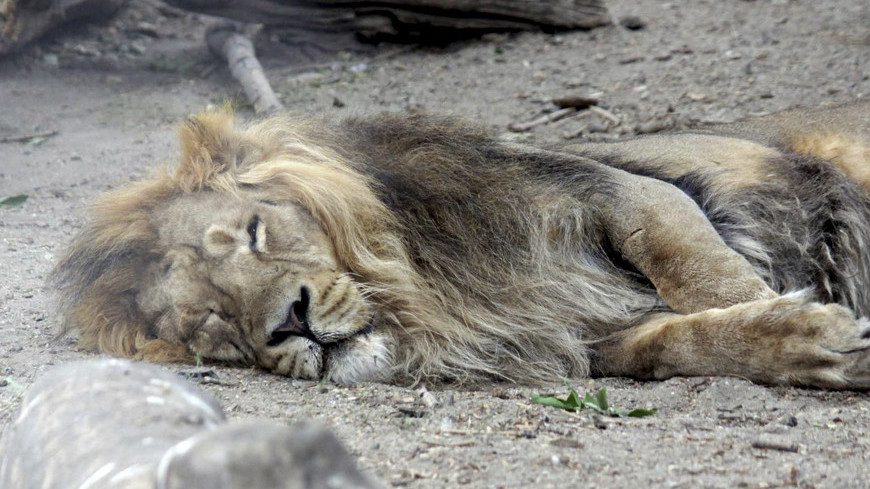
A confirmatory test was then carried out at the National Veterinary Services Laboratories of the United States Department of Agriculture. Sedation, however, is a very risky and unpredictable method in recovery. It can have different effects on an animal, particularly when it is ill. As a result, it was decided to implement a different, safer manner of conducting tests for all other “patients”. Tigers and lions were tested using fecal samples. All of the animals were checked at once. As a result, the test also revealed one more tiger that had no symptoms.
How were the animals treated at the zoo?
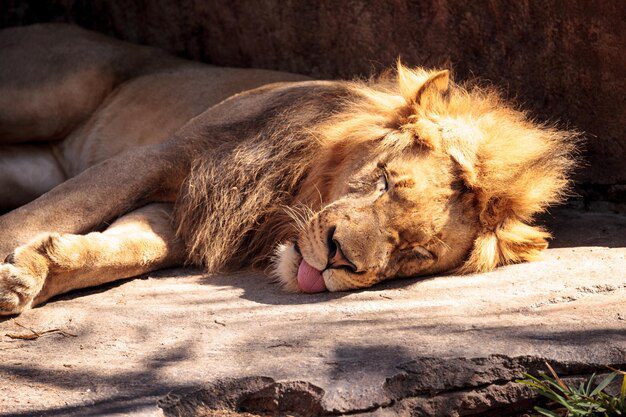
The treatment of tigers and lions in the Bronx followed standard human protocols, which were adjusted by experienced veterinarians. All of the infected animals tolerated the virus fairly well. As a result, there was no need to incorporate heavy drugs or complex operations into the treatment plan. Drinking regime, rest, anti-inflammatory drugs and, of course, complete isolation from other animals until full recovery.
You may also learn how infected residents were treated in the Bronx during the asthma epidemic here.
Other cases of COVID among animals at the beginning of the pandemic
There is still a debate about the origin of the coronavirus. One of the most popular theories is that it is zoonotic (from an animal). Everyone has probably heard about the theory about the Chinese bat. However, the SARS-CoV-2 virus, which causes COVID-19, primarily affects humans. Its effects on animals are highly selective, as evidenced by the case at the Bronx Zoo. However, as the pandemic began, reports of isolated cases of pet and animal infections in other zoos started to circulate the world. Among them:
- Cats.
The first to test positive for COVID-19 were two cats in New York. Then, a sick domestic cat was reported in Belgia. In general, scientists have concluded that representatives of the feline family are susceptible to coronavirus. However, this is not the strain that affects humans.

- Dogs.
In June 2020, German shepherd Buddy became the first dog in the United States to test positive for coronavirus. Buddy died from lymphoma sometime later. The scientists then spent a long time studying his case and making assumptions regarding the virus’s increased risk to animals with cancer. Dogs, too, have a distinct strain. In other words, a COVID-positive person cannot infect a dog, and vice versa.
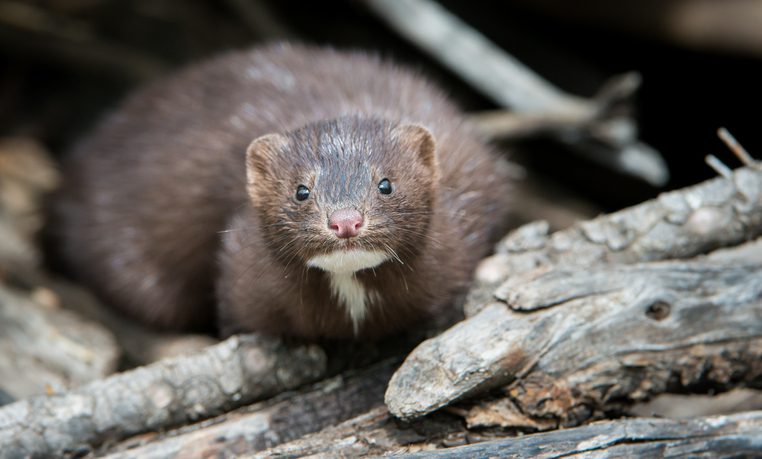
- Minks.
The COVID outbreak among minks ended in a real tragedy. It turned out that these animals were highly susceptible to the virus. With this in mind, most fur farms in the Netherlands, Spain and the United States were closed. However, in Denmark, the panic has escalated. After a strain of the SARS-CoV-2 virus was found on 288 of 1,139 farms, infecting 12 humans, it was determined to mass exterminate minks. At the beginning of the pandemic, Denmark slaughtered about 10 million animals and enforced a strict moratorium on mink breeding.
- Lions and tigers.
Following the occurrence in the Bronx, there were several reports from zoos across the world of lions and tigers suffering from COVID-19. In particular, infected animals were found in zoos across the United States, Spain, Japan and India.
As a result, the animals too participated in the “thrilling events” of the COVID-19 pandemic, and these rare occurrences were hardly noticeable in the midst of a widespread human epidemic.
Read about the cholera epidemic in New York here.