

Health is a cornerstone of our lives. Throughout life, we strive for better living conditions and good health. It’s disheartening when factors that should support our well-being, like the environment, instead harm us. This article explores the environmental challenges in the Bronx and their impact on public health, as detailed by bronxname.
Factors Affecting Health
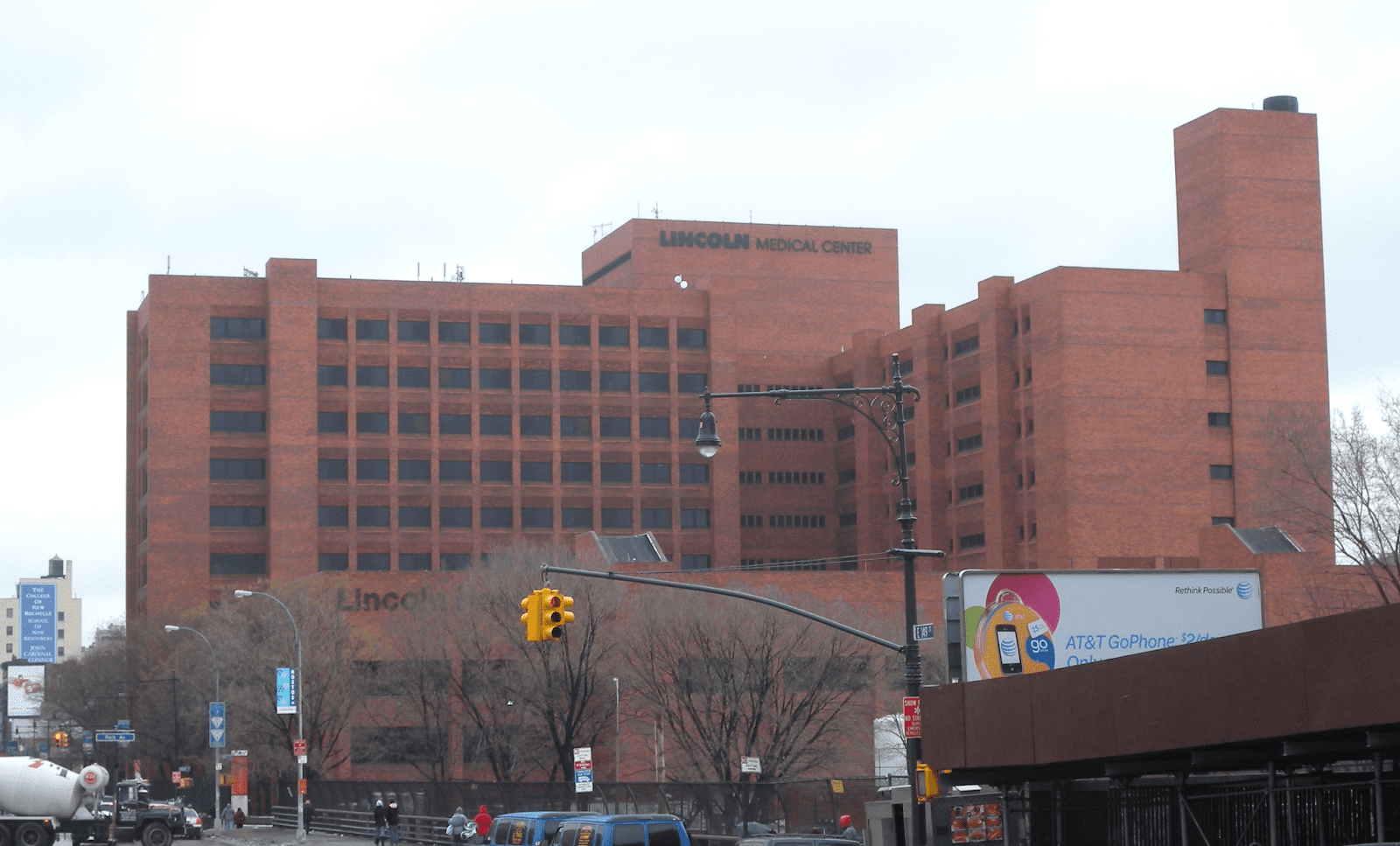
As noted by theejbm.wordpress.com, there is a clear link between socioeconomic status and health. It’s no secret that low-income populations face greater economic and social challenges, which negatively impact overall health. Various factors contribute to this connection, including social-political status, access to quality healthcare, medical literacy, nutrition awareness, stress management, and environmental influences on health.
General Issues in the Bronx
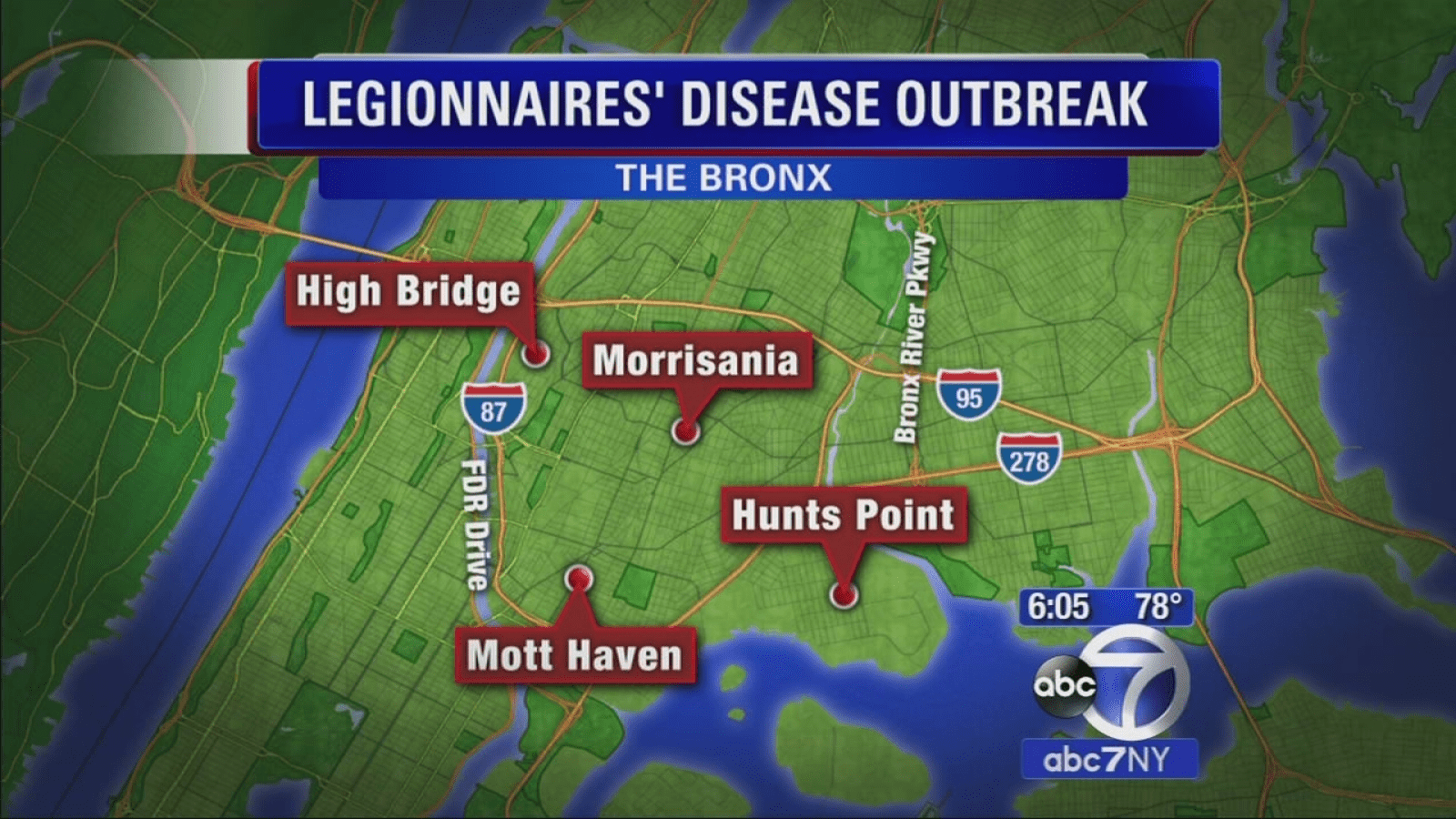
Let’s consider these factors through the lens of the Bronx. The borough, particularly the South Bronx, is the poorest congressional district in the United States and has the worst health indicators in the country. Why is this the case? The area is home to a significant population of African Americans and Latinos—43% and 54% of the South Bronx population, respectively. Many residents suffer from mental health disorders, obesity, asthma, diabetes, cardiovascular diseases, and other chronic conditions. These health disparities are exacerbated when compared to wealthier, predominantly white populations in other regions of the country.
Disease Prevalence in the Bronx
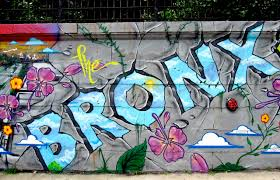
Asthma remains one of the most pressing health issues in the Bronx. It’s a leading epidemic in the South Bronx, with an incidence rate of 43.5 cases per million. Various factors, including genetic predisposition and environmental conditions, contribute to the high rates, but air pollution stands out as a critical risk factor. In 2014, the American Lung Association gave the Bronx an “F” grade for air quality. Studies show strong links between air pollution and asthma, with hospitalization and mortality rates significantly higher than in other parts of New York City.
Polluted air in the Bronx also contributes to cancer, heart disease, metabolic disorders, and low birth weights. Research indicates that polycyclic aromatic hydrocarbons (PAHs) in the air adversely affect fetal growth and neurodevelopment. The Columbia Center for Children’s Environmental Health studied pregnant African American and Latina women in Northern Manhattan and the South Bronx, finding that air pollution contributed to low birth weights, smaller head circumferences, delayed cognitive development, lower IQs, and childhood obesity.
Barriers to Health in the Bronx
Why are Bronx residents so disproportionately affected? The area suffers from proximity to hazardous waste sites, poor water and air quality, a lack of nutritious food options, and limited access to green spaces. These issues stem from decades of inadequate land-use policies and corporate lobbying.
For example, the South Bronx hosts nine waste transfer stations—nearly one-third of New York City’s stations, serving just 6.5% of the city’s population. On the Hunts Point peninsula alone, industrial and commercial facilities like the Hunts Point Cooperative Market, power plants, and heavy diesel truck traffic contribute significantly to environmental strain. Toxic pollutants such as ozone, carbon monoxide, sulfur dioxide, nitrogen dioxide, and fine particulate matter, largely generated by industrial activities and vehicle emissions, further jeopardize residents’ health.
Waste Incineration Facilities and Their Impact
One prominent example of industrial harm in the Bronx is the Browning-Ferris/Bronx Lebanon Hospital waste incineration facility, built in the South Bronx in 1993 to process medical waste from 12 New York City hospitals.
Even before its construction, the community raised concerns about air pollution and respiratory problems. Despite protests, construction proceeded. Activism intensified after hospitalizations for asthma doubled in nearby areas, with local school administrators reporting that asthma rates among students had doubled or even tripled.
Further investigations revealed that the incineration facility frequently violated pollution standards, resulting in harmful emissions. The plant eventually paid a $50,000 fine and committed $200,000 to community programs. Ultimately, local activists, led by the South Bronx Clean Air Coalition, succeeded in closing the facility in 1997, with its complete demolition occurring in 1999.
Another victory for Bronx residents came with the closure of the New York Organic Fertilizer Company (NYOFCO) plant in Hunts Point. Opened in 1992, this facility processed more than half of New York City’s sewage sludge. Its operations produced a pervasive stench likened to “rotten meat” or “a dirty toilet.” The odor forced residents to keep windows closed, forbid outdoor play for children, and abandon social gatherings in yards. After 18 years of complaints and protests, the plant was shut down in 2010.
Conclusion
The fight against harmful industrial facilities in the Bronx was arduous, requiring persistence from activists despite opposition from officials and corporations. Advocates were warned that shutting down these plants would lead to waste processing capacity issues and job losses. However, their determination resulted in tangible victories for public health and environmental justice.
Today, the Bronx continues to grapple with the legacies of environmental injustices, but the resilience of its residents offers hope for a healthier future.