

The South Bronx has the highest poverty rate in New York City and the worst heat vulnerability index. It also has the highest number of deaths related to extreme heat. Although the Bronx has many parks, green spaces are unevenly distributed, making hot summer days very difficult. Poverty has had a negative impact on the health and quality of life of residents in this New York borough, and the lack of green spaces and insufficient investment in clean energy only make the situation worse. In this article, bronx.name will examine the main environmental problems in the Bronx, potential solutions, and discuss a new large-scale project designed to significantly improve the area’s ecological and socioeconomic situation.
The Bronx’s Environmental Trends
The South Bronx is where all the waste generated in the entire borough is concentrated. For over 60 years, it has suffered from the intense traffic of diesel trucks that arrive daily from the Hunts Point Food Distribution Center. About 15,000 vehicles pass through Hunts Point every day, leading to severe air pollution and serious health problems for the local population.
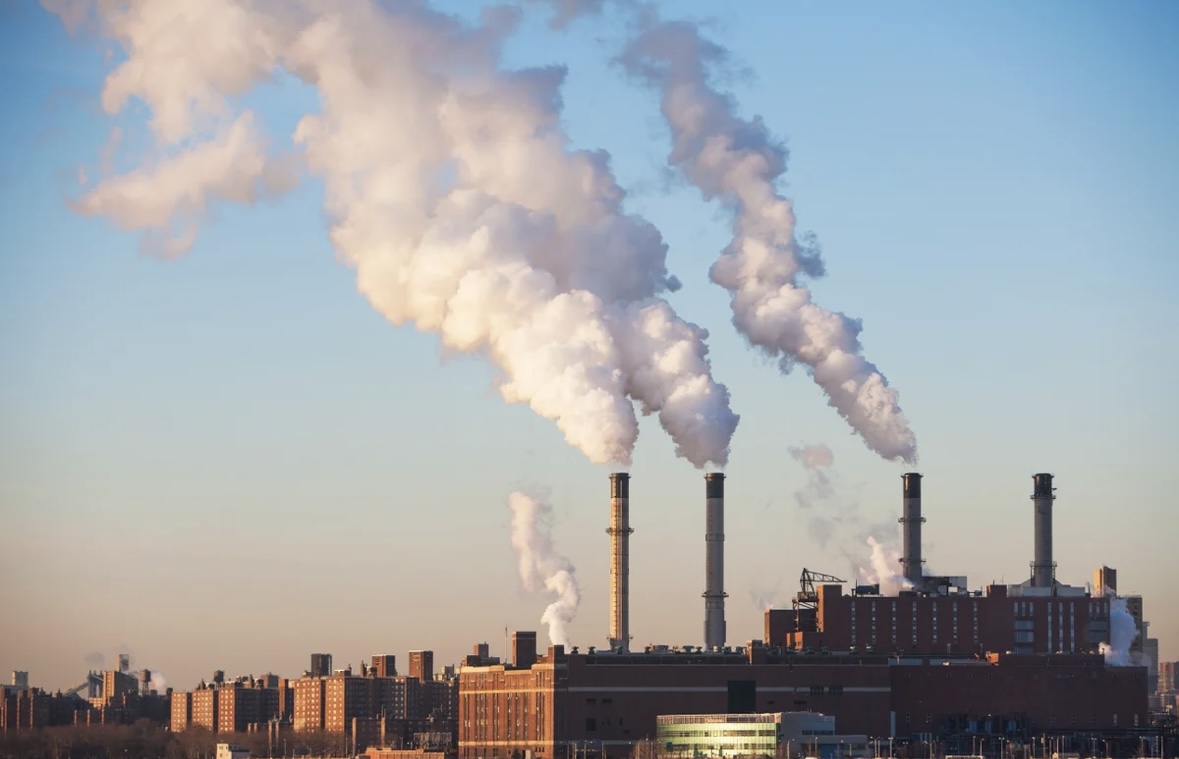
However, the proactive and active stance of Bronx residents has led to powerful initiatives and partnerships that are driving environmental change. A large number of charitable organizations, foundations, communities, and groups are working to improve the environmental situation in the area. For example, the Bronx River Alliance and Youth Ministries for Peace and Justice were the first organizations in New York City to receive funds from the EPA for community-led changes aimed at tackling the environmental crisis in low-income neighborhoods.
There are other inspiring initiatives, such as the HOPE program, which helps unemployed residents acquire “green” jobs (in renewable energy, farming, waste recycling, etc.).
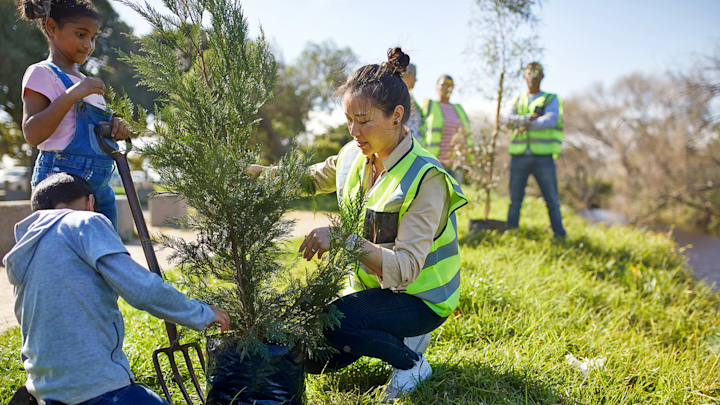
Despite the noticeable progress, there is still a lot of work to be done. But real change can only be achieved through joint efforts—when the government, property owners, and community and nonprofit organizations work together for a fair and healthy future for the borough.
Main Approaches to Solving the Problems
- More investment in the Bronx.
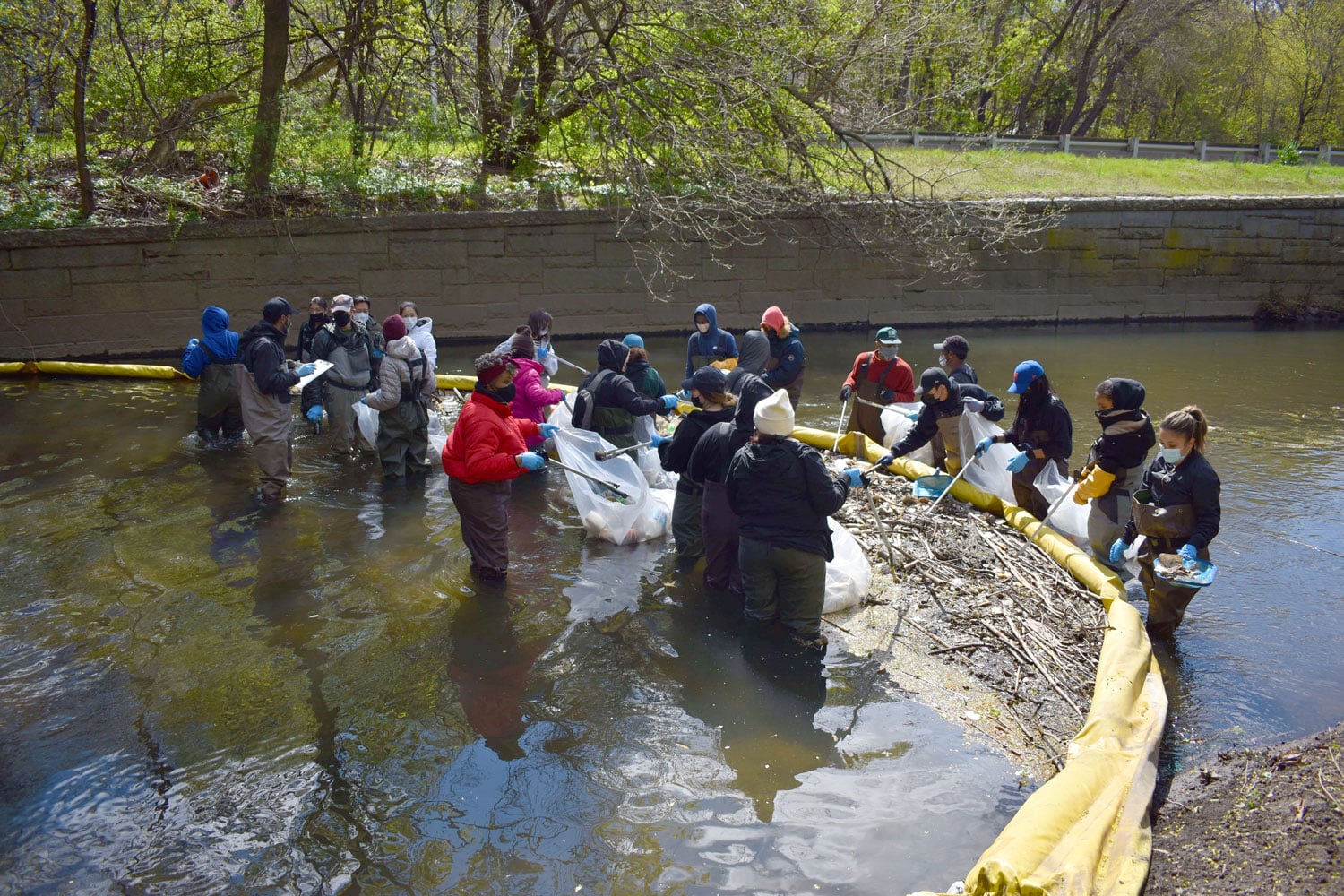
The government and businesses are promising record funds to combat the climate crisis. The Environmental Protection Agency consistently allocates funding for initiatives aimed at supporting local communities. But it’s not always easy to attract investment to the Bronx, as other New York boroughs also have environmental problems that need to be addressed. Therefore, it’s important to focus on the quality of preparation and presentation of new projects aimed at improving the environmental situation in the Bronx, because it’s here that communities suffer most from environmental injustice. Bronx residents are already doing a lot to combat negative factors and trends (cleaning rivers, planting trees, sorting trash), but without adequate financial support, it’s not enough.
- Education and career opportunities in the “green” sector.
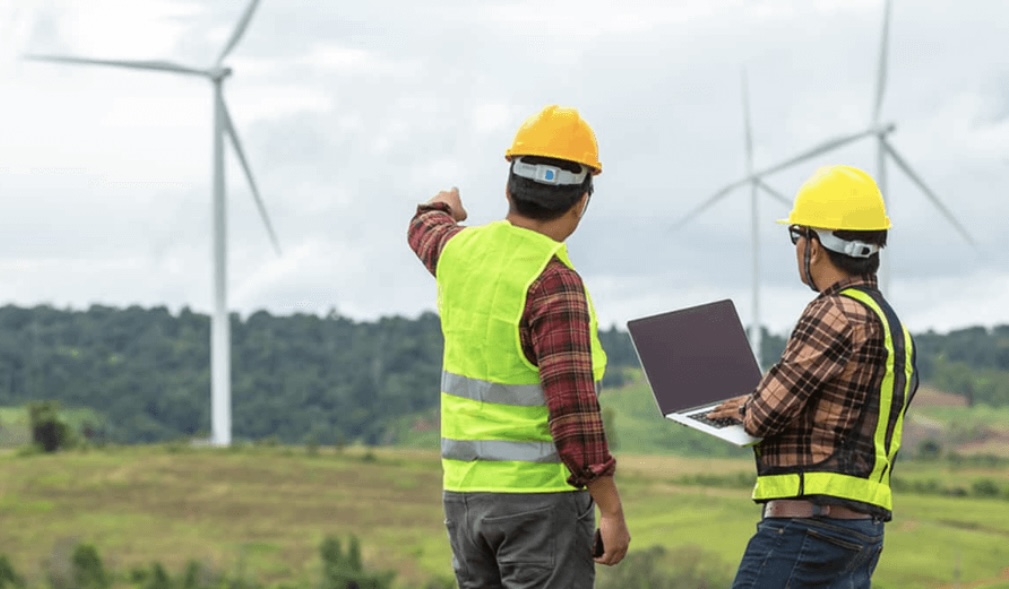
New York’s Green Economy Plan aims to increase the number of green jobs to 400,000 by 2040. These are well-paying positions, such as solar panel installers or electric vehicle maintenance specialists. The HOPE program helps people from low-income neighborhoods gain skills in green industries: gardening, eco-construction, renewable energy, and more. But one such organization is not enough for the entire Bronx. The government should pay attention to the education system and implement certain changes within it so that the borough is ready to transition to a new environmental level and has a solid professional base of qualified workers in the green sector.
- Increased energy efficiency.
City legislation, including Local Law 97, sets new requirements for buildings to reduce emissions and increase energy efficiency. But not all businesses and companies are actively involved in these processes. It’s not necessary to buy expensive eco-friendly equipment or install solar panels everywhere; you can implement simple solutions that promote the efficient use of resources. For example, repaint a dark roof white, optimize processes, conduct an audit of the internal energy system, and train staff to save electricity.
Hunts Point: The Bronx’s Environmental Red Zone
Hunts Point faces two major challenges every day—environmental injustice and economic vulnerability, which are closely linked and exacerbate each other.
Every morning, huge trucks carrying waste and bulk food arrive in the neighborhood, and in the evening, resources—quality food, sorted products, and profits—leave with them. The Hunts Point market plays a very important role for the city and the entire state, but the neighborhood itself doesn’t receive the benefits it deserves. This is a historic area where residential neighborhoods border large industrial zones that, despite their size, don’t create significant economic opportunities for local residents. The neighborhood’s infrastructure is focused not on the community’s needs, but on logistics and serving outside areas.
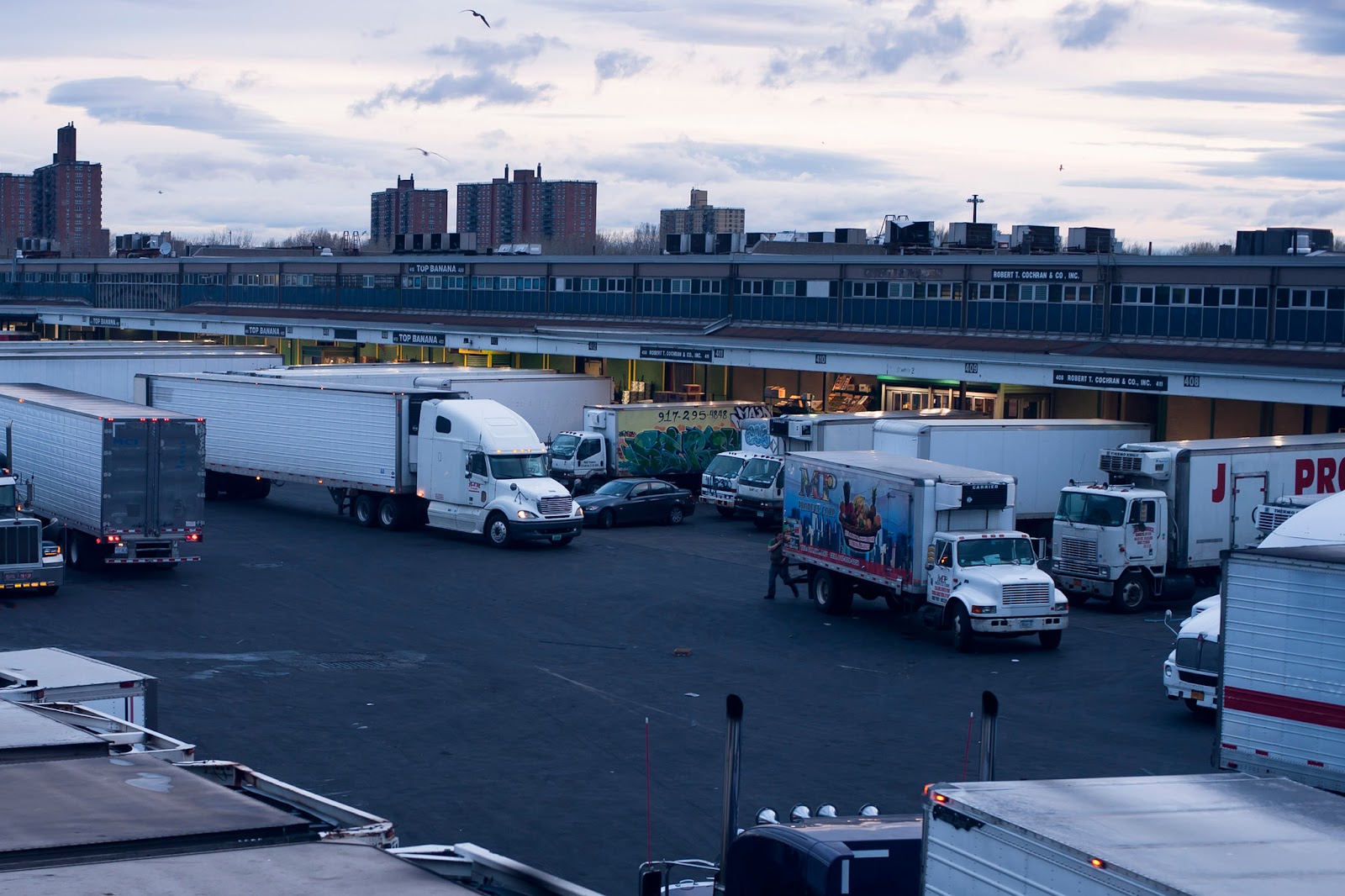
This imbalance between intense industrialization and a lack of support for local residents has led to long-term negative consequences. Due to air pollution and noise, local residents are more likely to suffer from chronic illnesses, and due to the lack of accessible and well-paying jobs, they experience economic instability.
Local small businesses have very limited access to capital, and workers have limited access to fair working conditions and professional growth. Many families have an urgent need for medical care, which arises precisely because of the conditions in which they live and work.
Hunts Point is a neighborhood that serves the city every day but, in return, receives pollution, low incomes, and minimal investment. And until the approach to the neighborhood’s development is changed to focus on the community, environmental sustainability, and economic equality, the situation will only get worse.
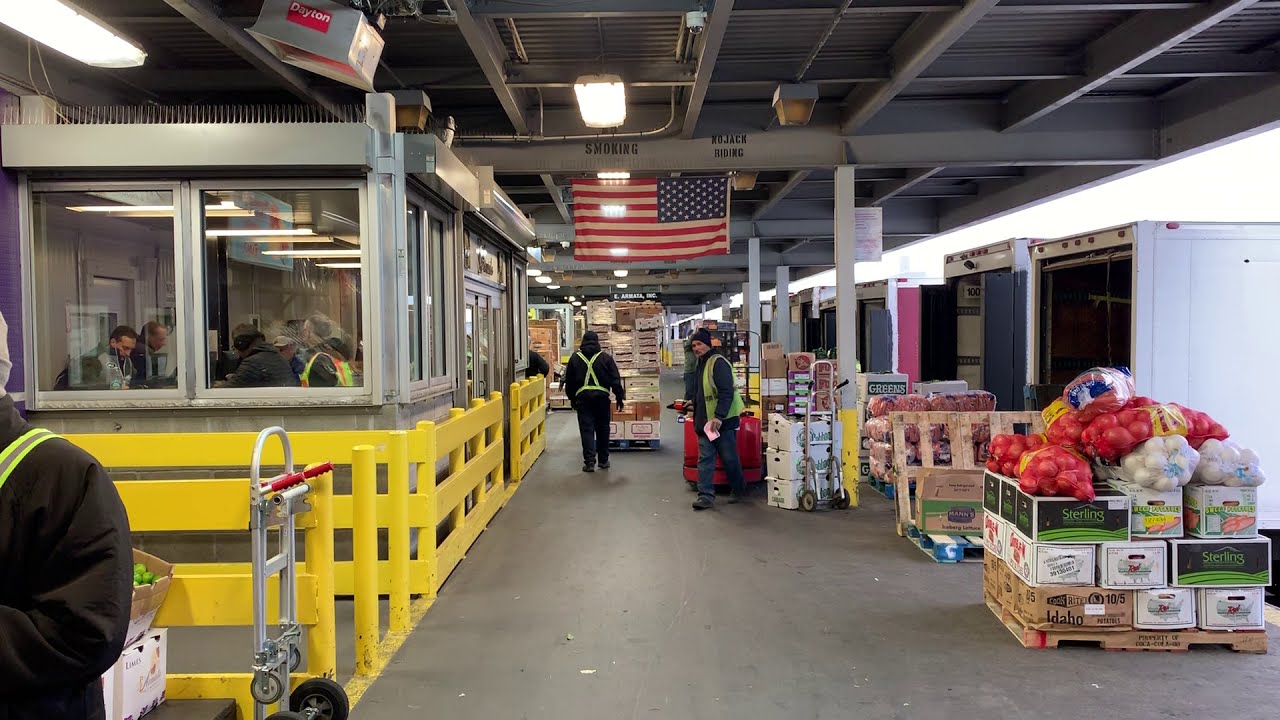
A Project to Create Environmental Balance in Hunts Point
But there is a “light at the end of the tunnel.” The city’s Economic Development Corporation has developed a Green Economy Action Plan, which aims to transform the Hunts Point market into a model hub for job creation, professional training, and sustainable development. One of the main projects within this plan is the creation of a large-scale charging hub for electric vehicles, which will help overcome the problems of air pollution and economic instability in Hunts Point. To this end, the community group The Bronx is Breathing has brought together several organizations: The POINT, Greater Hunts Point Economic Development Corp., City Harvest, Empire Clean Cities, Collective Diaspora, Volvo Technology Group, and Shell Recharge. Together, they are working to introduce medium- and heavy-duty electric trucks in the area.
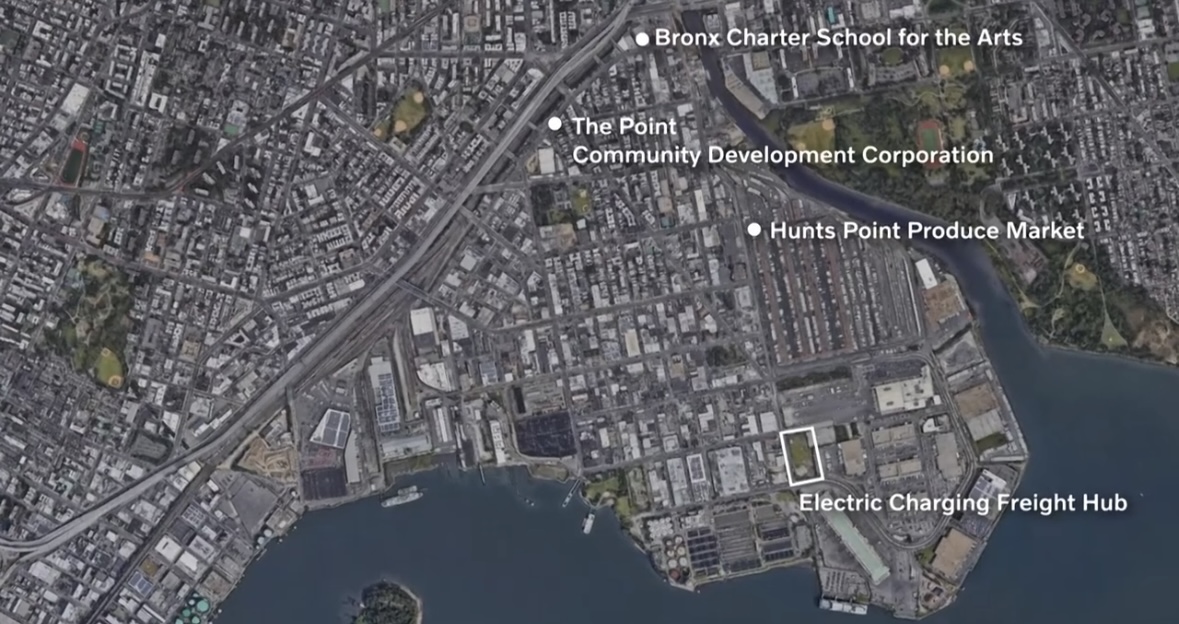
The implementation plan includes:
- An electric truck charging center.
The plan is to create the first public charging hub for electric trucks in the U.S., which will be located on a former industrial site in the heart of Hunts Point. This will be a multi-functional hub with modern infrastructure:
- 4 charging “islands”;
- up to 12 fast chargers with 250 kW of power—specifically for trucks;
- up to 10 chargers with 180 kW of power—for passenger and commercial vehicles;
- 10–12 standard Level 2 chargers (<32 kW)—for everyday use.
- Additional amenities and opportunities.
- solar canopies to power the chargers;
- food and drinks from local entrepreneurs;
- training programs for the local workforce related to electric vehicles;
- hands-on training for drivers and fleet managers;
- a CDL driver certification program;
- green spaces and rest areas;
- e-bike chargers.
- Creating an electric vehicle cooperative.
The plan is to create a cooperative of South Bronx truck drivers, which will allow local drivers to become owners of electric trucks. The project is being implemented in partnership with the Drivers Cooperative, which includes over 3,500 drivers. This cooperative will:
- provide access to electric vehicles;
- ensure training and skills development;
- increase the economic stability of local workers.
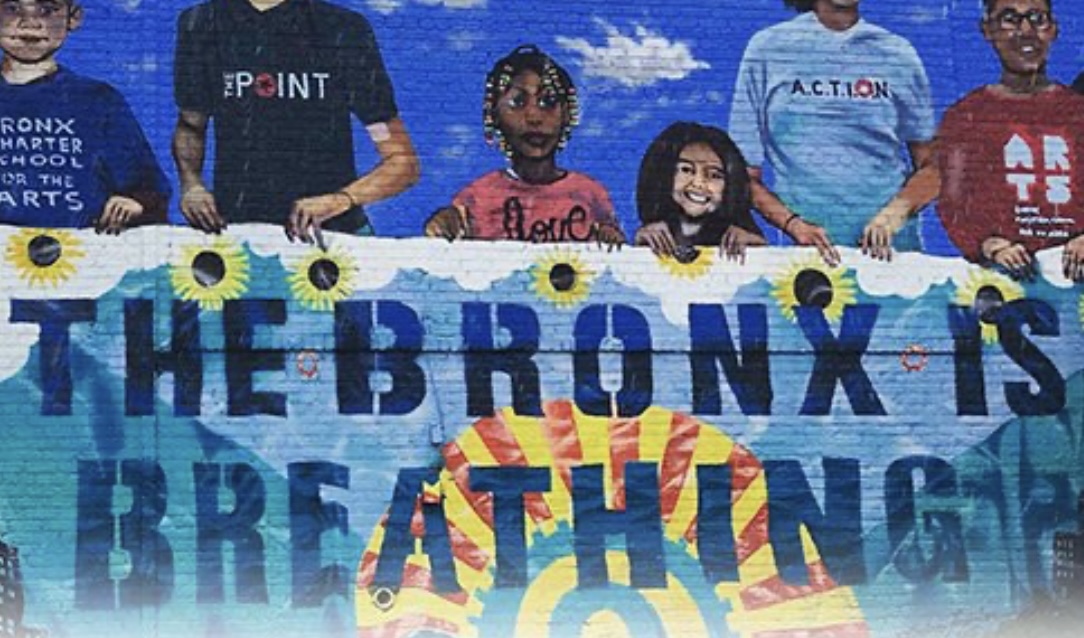
Overall, this electric hub initiative is aimed not only at reducing harmful emissions but also at revitalizing the local economy, creating new jobs, and expanding access to a healthy environment and quality food for Hunts Point residents. It’s an example of how climate solutions can also promote social and economic justice.