

What do geophysics and geochemistry study, and why are these complex sciences essential? These disciplines delve into the Earth’s structure and processes, serving humanity by advancing knowledge and solving practical challenges. Geophysicists locate resources such as oil, gas, and minerals, while geochemists explore the Earth’s chemical composition and the distribution of elements. Professionals in these fields carry out vital work, requiring exceptional dedication and skills. Among these experts, Karl Turekian, a Bronx-born geophysicist, geochemist, and geologist, achieved remarkable success and global recognition. This article explores his life, groundbreaking discoveries, and enduring impact on science. Learn more on bronx.name.
Early Life and Education
Karl Harekin Turekian was born on October 25, 1927, in the Bronx to Armenian immigrant parents. From a young age, Karl exhibited curiosity and a keen interest in science, dedicating significant time and effort to his education. He earned his bachelor’s degree from Wheaton College in 1949 and later obtained a Ph.D. in geochemistry from Columbia University. Continuing his academic journey, he joined Yale University, a prestigious institution that played a pivotal role in his career.
In addition to his academic pursuits, Turekian served in the United States Navy, demonstrating a profound love for both science and his country.
Groundbreaking Discoveries in Earth Sciences
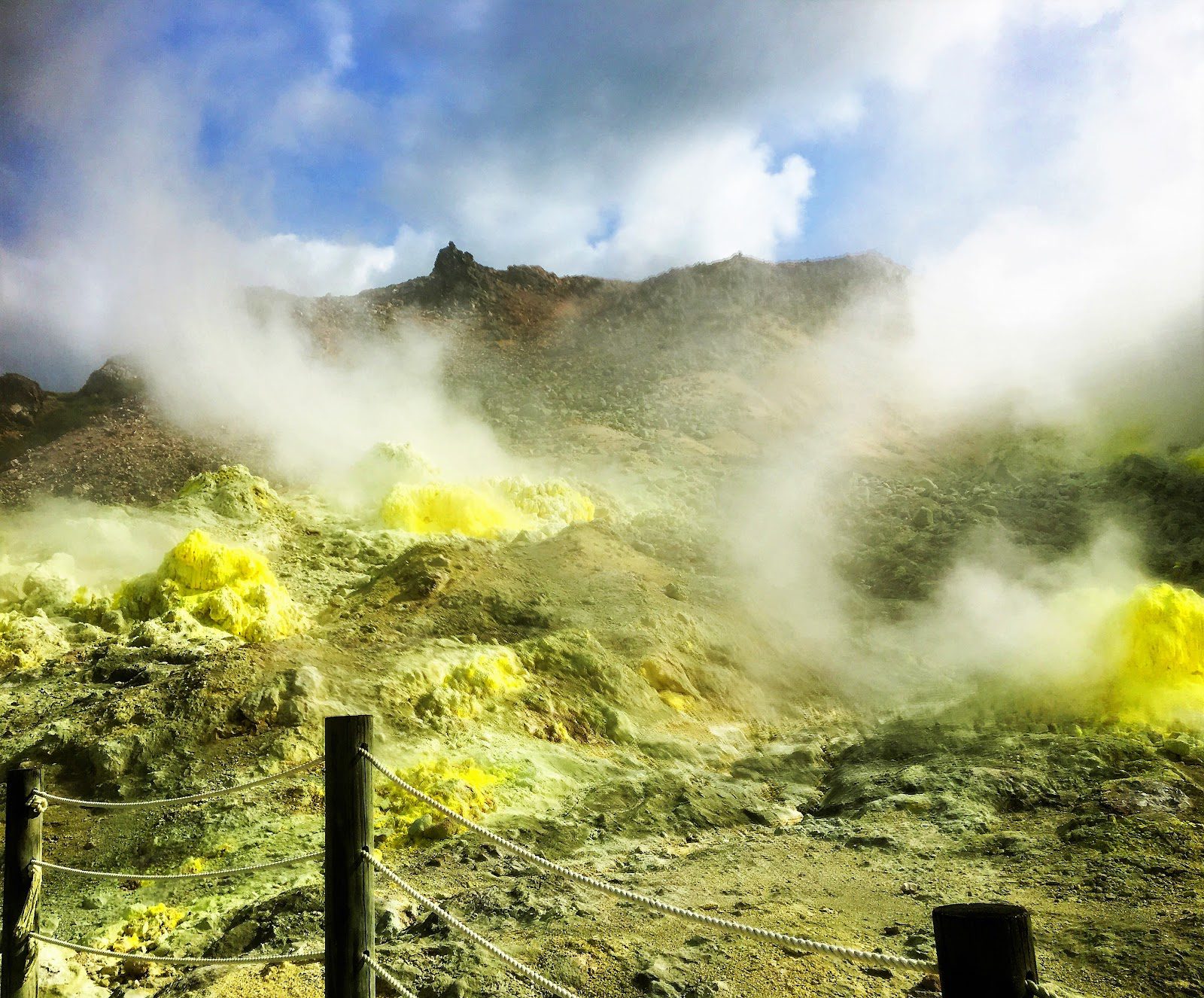
Karl Turekian devoted much of his career to studying the geochemistry of trace elements. His contributions spanned marine, atmospheric, and terrestrial geochemistry, significantly advancing these fields.
Turekian also explored geochronology, the science of determining the absolute and relative ages of rocks and minerals, which provides crucial insights into the Earth’s history. His work aimed to deepen our understanding of the planet from every possible perspective.
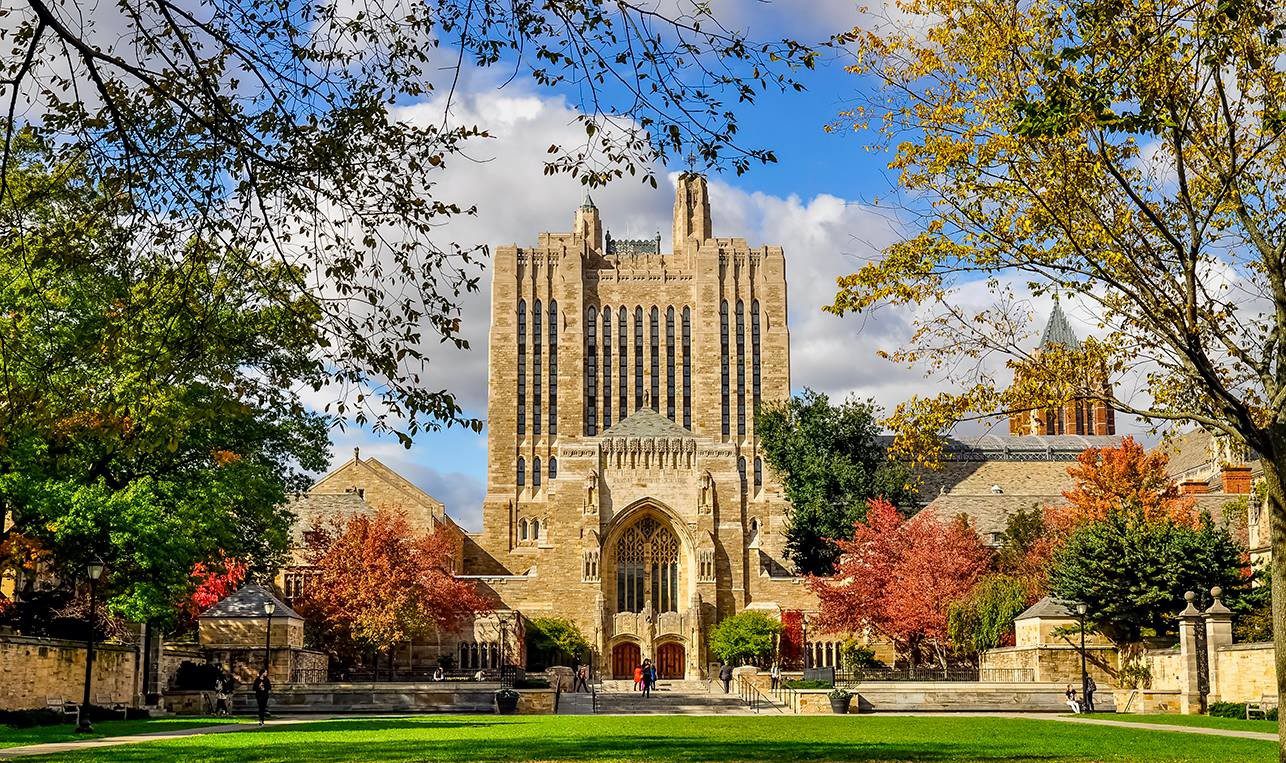
In 1956, he began teaching at Yale University, where he spent most of his career. At Yale, he combined research and teaching, fostering a new generation of scientists. As a member of the Ivy League, Yale offered Turekian an exceptional platform for his scientific achievements.
In 1970, Turekian became the director of the GEOSECS (Geochemical Ocean Sections Study) program, which focused on the chemical processes in the oceans. Throughout his life, he conducted comprehensive studies of the environment, examining soil, air, and water systems.
In addition to his research and teaching, Turekian was a prolific writer and editor. He served as an editor for eight scientific journals, sharing his deep understanding of the Earth with a broader audience.
Turekian became the head of the Department of Geology and Geochemistry at Yale University, a position that allowed him to influence the scientific community profoundly. His tenure at Yale lasted nearly 57 years, during which he participated in groundbreaking research and inspired countless students and colleagues.
On March 15, 2013, Turekian passed away, leaving behind a legacy of scientific excellence. Colleagues at Yale wrote: “The world has lost one of the greatest geologists of all time.” His contributions to science remain an enduring source of inspiration for future generations.
Karl Turekian’s work in geochemistry and geophysics continues to influence modern Earth sciences. His dedication to understanding the planet, coupled with his passion for teaching and writing, made him a revered figure among geologists and geochemists. His nearly six-decade career at Yale University is a testament to his commitment to advancing knowledge and mentoring others. Turekian’s life serves as an exemplary model for aspiring scientists, proving that curiosity, perseverance, and dedication can lead to groundbreaking achievements.