

Public transport is a critical factor in the development of any region. It should strike a balance between providing comfort to residents and taking care of the environment. One of the most eco-friendly modes of transportation is rail transit, including trams, subways, and trains. Cars, on the other hand, cause significantly more harm to the planet. Rail transit accounts for only 2% of total greenhouse gas emissions, whereas gasoline-powered cars are responsible for over 80% of such harmful substances.
Modern cities strive to prioritize rail transit as the primary mode of transportation. In the Bronx, the rail system is well-developed, allowing residents to reach their destinations quickly and conveniently. Affordable fares further attract passengers. How has this form of transport evolved and functioned in this New York borough? Learn more in our article on bronx.name.
Subway in the Bronx
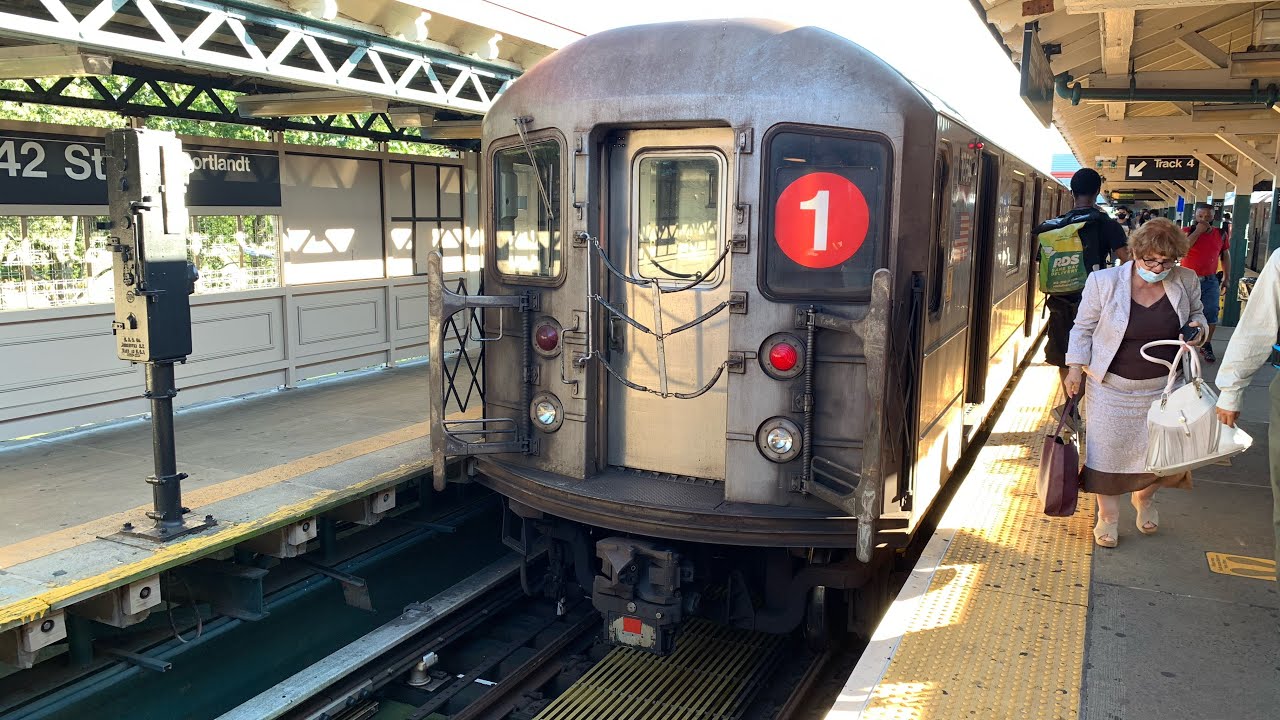
The main subway line running through the Bronx is the D Sixth Avenue Express. This route also connects to Manhattan and Brooklyn and is marked in orange on transit maps. It is a fast and convenient means of transportation with high demand among Bronx residents. Choosing the subway is also a valuable contribution to preserving the local environment.
The route officially began operations on December 15, 1940, providing residents with a quick and affordable way to reach their destinations. It soon became an essential and popular mode of transportation. When a major water main burst in 1962, a special “DD” route was promptly introduced to serve Bronx residents until the main service was restored.
Interestingly, the D Sixth Avenue Express is one of only four New York subway lines that operate as an express only on certain sections. During the day, trains run express everywhere except in the Bronx, while at night, they make all stops in both the Bronx and Brooklyn.
The “D” line has even been celebrated in the arts. Music enthusiasts may recognize it from Bob Dylan’s song “Visions of Johanna” and references in tracks by the Beastie Boys.
Subways are fast, convenient, economical, and eco-friendly, making them a highly popular choice in the Bronx.
Third Avenue Railway System
Known to Americans as “TARS,” this system provided tram services, including in the Bronx. It began operations in 1852 under the leadership of the Comfort family.
For many years, TARS regulated tram services across New York City boroughs, including the Bronx. In 1928, the company applied for its own bus franchise. This marked a turning point for public transportation in the Bronx. By 1948, all tram lines were replaced by buses. However, trams regained popularity in the borough at a later stage.
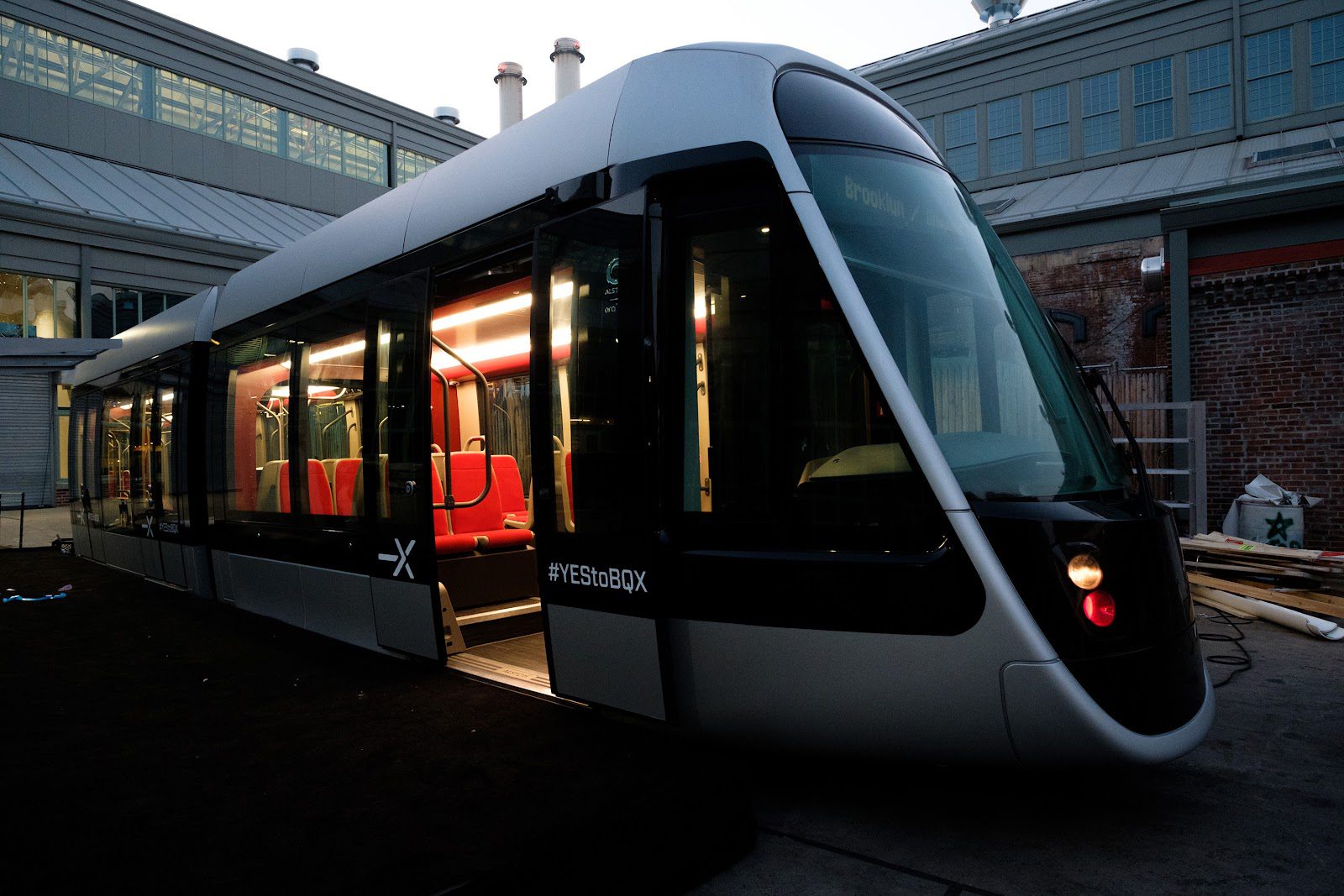
Other Eco-Friendly Transport Options in the Bronx
The Bronx’s public transportation system is continuously evolving to ensure the comfort of its residents.
In the early 20th century, trolleybuses became quite popular in the Bronx. Powered by electric motors and supplied with electricity through overhead wires, they offered a convenient, economical, and eco-friendly mode of transportation.
Electric bicycles and scooters are another excellent option in the Bronx. These can easily be rented for a day or longer at affordable rates. This solution is not only convenient for individuals but also beneficial for the environment.
For cycling and walking enthusiasts, the Bronx provides dedicated pathways to ensure safety and accessibility.
Balancing Transportation and Environmental Goals
The history of public transport development in the Bronx reflects the borough’s commitment to eco-conscious and community-focused progress. Striking a balance between human needs and environmental preservation is a priority, and the Bronx is determined to lead by example. This effort requires continuous growth and innovation—something the Bronx is deeply committed to achieving.